



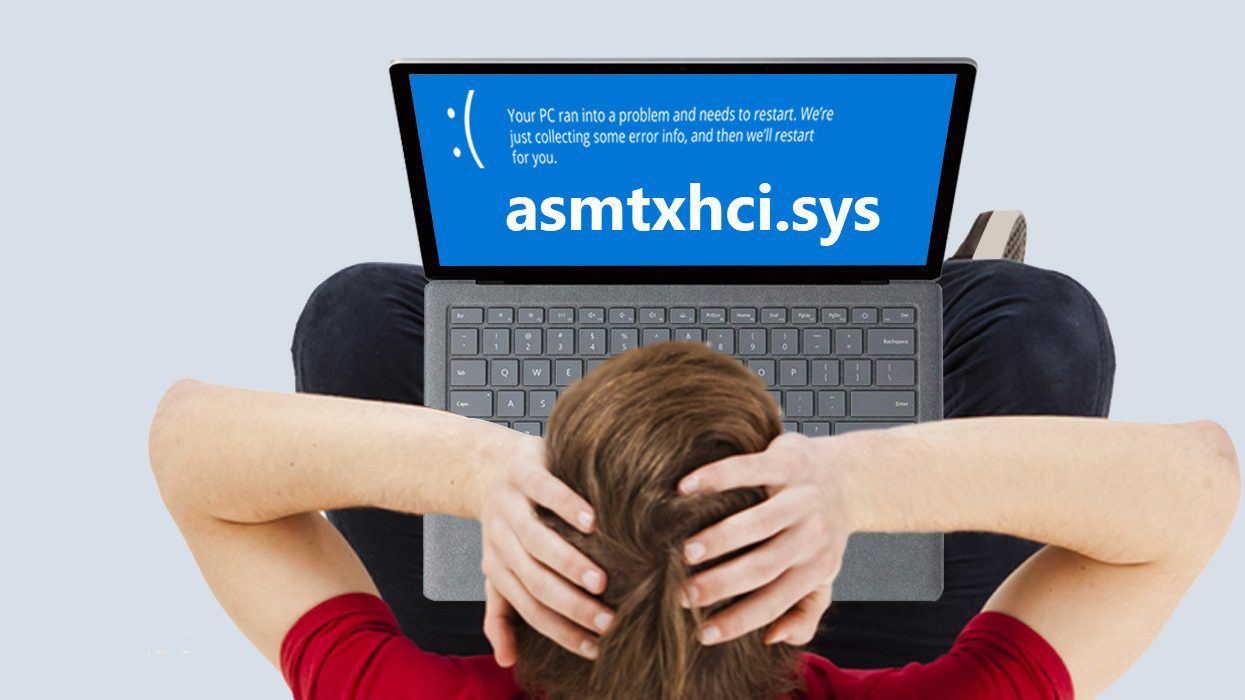

Seeing a blue screen with asmtxhci.sys can be frustrating, especially if Windows keeps crashing or the error prevents your computer from booting normally.
The asmtxhci.sys file is associated with the ASMedia USB 3.x host controller driver. An outdated, corrupted, or incompatible USB driver is usually the major cause of this BSOD, but other Windows or hardware issues may also be involved.
In this guide, we’ll show you how to fix the asmtxhci.sys Blue Screen of Death (BSOD) on Windows step by step.
Fix 1: Disconnect unnecessary USB devices
If the asmtxhci.sys error prevents Windows from booting, start with the simplest hardware check.
Shut down your computer and disconnect unnecessary USB devices, such as:
- USB storage devices
- USB hubs
- Printers
- Game controllers
- Webcams
- Other external USB peripherals
Leave only essential devices connected, such as your keyboard and mouse if needed.
Then turn on your computer and check whether Windows starts normally.
If Windows boots after disconnecting a particular USB device, reconnect your devices one at a time to identify whether one of them is contributing to the problem.
If the BSOD still occurs, continue with the next fix.
Fix 2: Reinstall the ASMedia USB driver in Safe Mode
If Windows won’t start normally, you’ll need to boot into Safe Mode first. Safe Mode starts Windows with a limited set of drivers and services, which can make it possible to troubleshoot a problematic driver.
- First, enter the Windows Recovery Environment (WinRE) when booting your computer. Different computer brands use specific keys:
– ASUS: While the computer isn’t powered on yet, press and hold the F9 key, then press the Power button. If F9 doesn’t work, use F12.
– HP: Repeatedly tap F11 during boot.
– Acer: Press Alt and F10 at the same time after powering on your computer.
– Dell: Tap F12 repeatedly during boot.
– Lenovo: Press F11 repeatedly during boot.
– MSI: Press F3 repeatedly during the boot process. - Go to Troubleshoot > Advanced options > Startup Settings > Restart.
- Press 4 or F4 to enter Safe Mode.
Once you’re in Safe Mode:
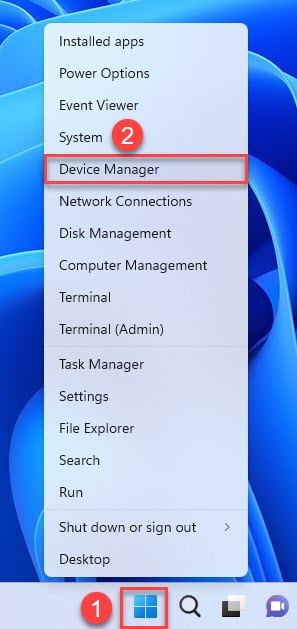
- Right-click the Start button and select Device Manager.
- Expand Universal Serial Bus controllers.
- Right-click the ASMedia USB controller and select Uninstall device.
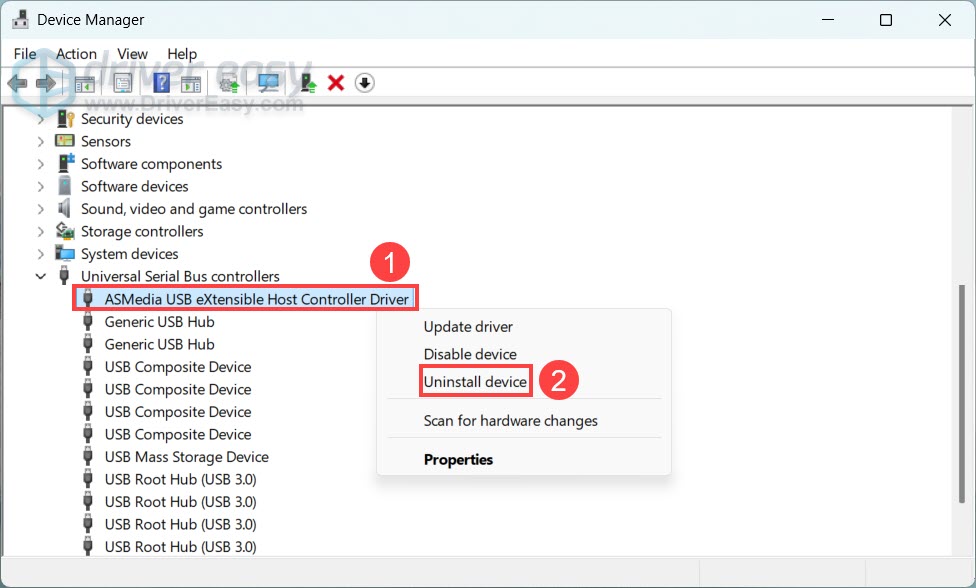
- Confirm the uninstall.
Restart your computer. Windows should restart normally, detect the USB controller again, and install an available driver after the restart.
If Windows doesn’t automatically install a suitable driver, download the appropriate ASMedia USB driver from your computer or motherboard manufacturer’s website and install it manually.
Fix 3: Run Startup Repair or System Restore
If the asmtxhci.sys BSOD prevents Windows from booting, the Windows Recovery Environment provides a few additional recovery options, including Startup Repair and System Restore.
- Enter the Windows Recovery Environment by pressing the hotkeys during boot.
- Go to Troubleshoot > Advanced options > Startup Repair.
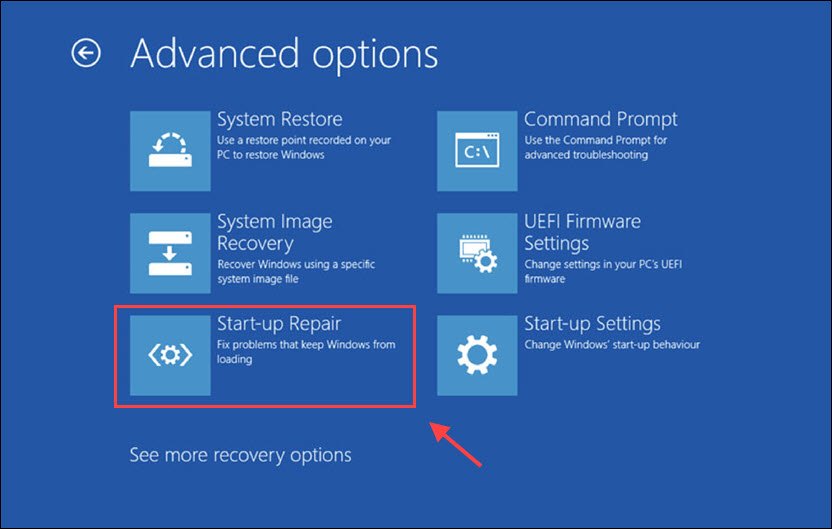
Windows will scan your system for problems that prevent it from starting and attempt to repair them automatically.
After the repair finishes, restart your computer and check whether Windows can boot normally.
If Startup Repair doesn’t help and you have a restore point created before the BSOD started, System Restore may allow you to return Windows to an earlier working state.
- Enter WinRE and select Troubleshoot > Advanced options > System Restore.
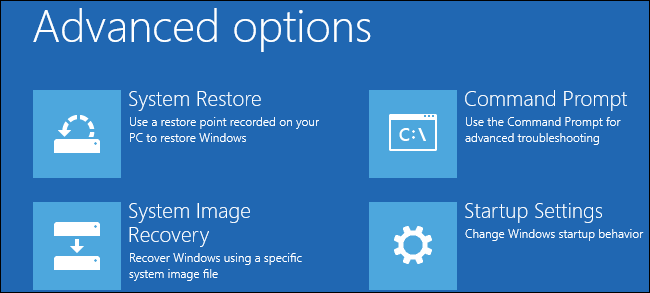
- Choose a restore point from before the problem began and follow the on-screen instructions.
System Restore doesn’t normally affect your personal files, but it can remove recently installed drivers, applications, and system changes. Review the restore point information before proceeding.
Fix 4: Update your device drivers
If the asmtxhci.sys Blue Screen of Death continues after the fixes above, the ASMedia USB driver may not be the only cause. Other device drivers can also contribute to recurring BSODs. For system stability and compatibility, make sure your chipset, USB, graphics, and other important device drivers are up to date.
You can download drivers directly from your PC or motherboard manufacturer. If you don’t have the time, patience, or skills to update the driver manually, you can do it automatically with Driver Easy.
Driver Easy will automatically recognize your system and find the correct drivers for it. You don’t need to know exactly what system your computer is running; you don’t need to worry about making a mistake when installing; and you don’t need to keep checking for a newer driver release. Driver Easy handles it all.
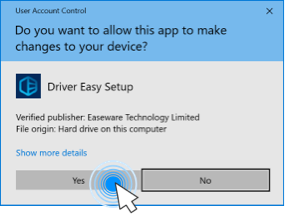
- Download and install Driver Easy.
- Run Driver Easy and click Scan Now. Driver Easy will then scan your computer and detect any problematic drivers.

- Click Activate & Update next to your ASMedia USB driver or other device drivers to update them one at a time. Or you can click Update All to automatically download and install the correct version of all the drivers that are missing or out of date on your system.
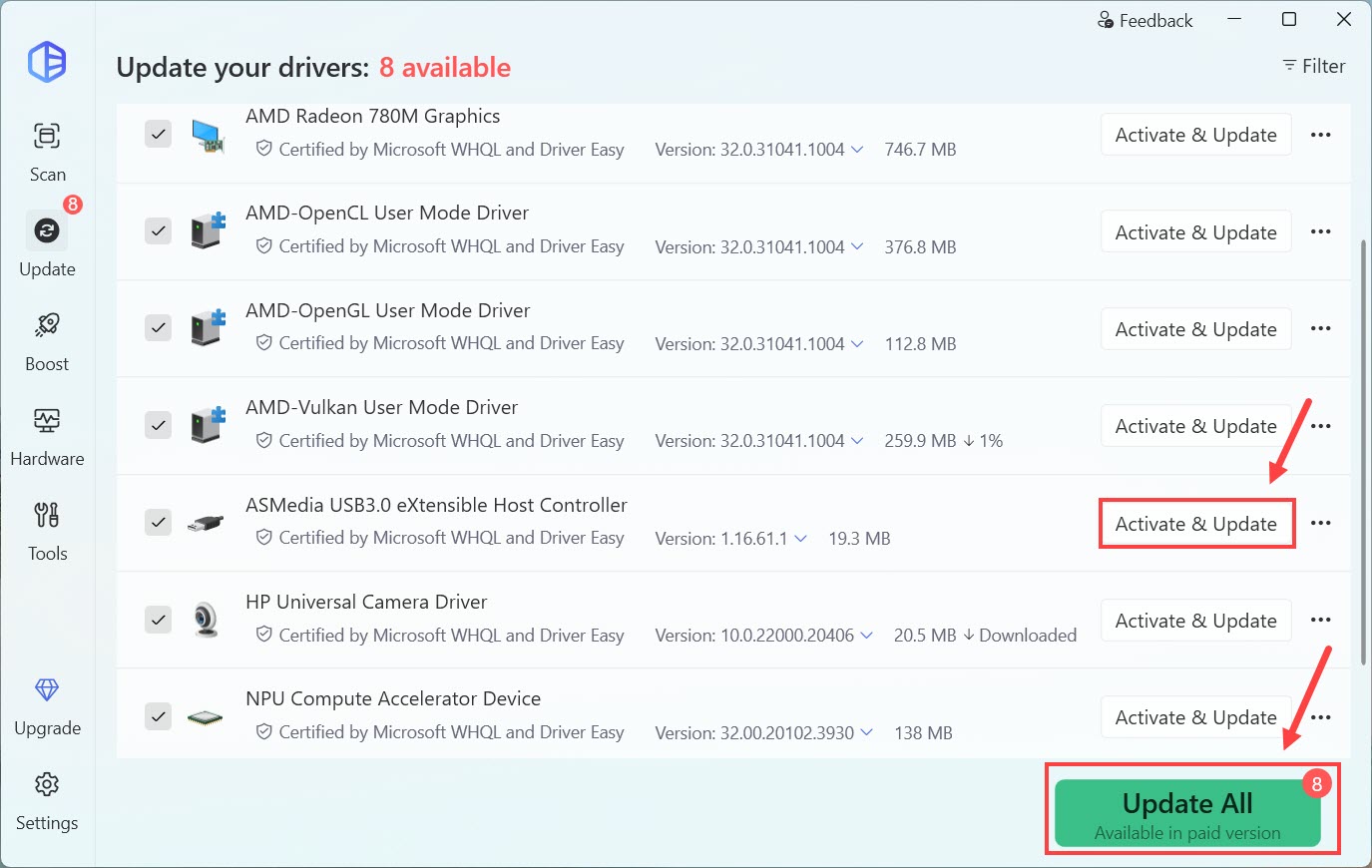
You’ll be prompted to upgrade to Driver Easy Pro to unlock the full set of premium features. It includes automatic driver updates, easy driver backup and rollback, plus full technical support. You can also start a 7-day free trial to try all the Pro features and see if Driver Easy fits your needs.
Hopefully, one of the fixes above helps you get rid of the asmtxhci.sys BSOD and get Windows running normally again. If you have questions or find another solution that worked for you, feel free to share it in the comments.