


Updating your ASUS drivers ensures maximum system stability, resolves performance issues in gaming, and prevents system crashes (BSODs). In this post, we’re showing you 2 easy and safe ways to install the latest ASUS drivers on a Windows computer.
How to update ASUS drivers on Windows
Option 1: Update your ASUS drivers automatically (Recommended)
If you don’t have the time, patience or computer skills to update your drivers manually, you can do it automatically with Driver Easy.
Driver Easy will automatically recognize your system and find the correct drivers for it. You don’t need to know exactly what system your computer is running, you don’t need to risk downloading and installing the wrong driver, and you don’t need to worry about making a mistake when installing. Driver Easy handles it all.
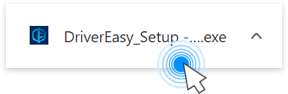
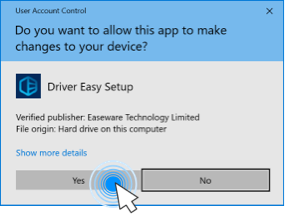
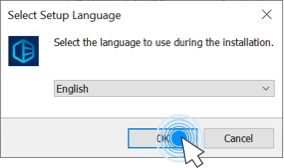
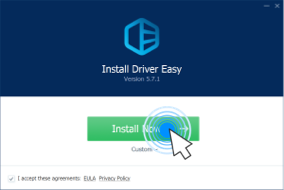
- Download and install Driver Easy.
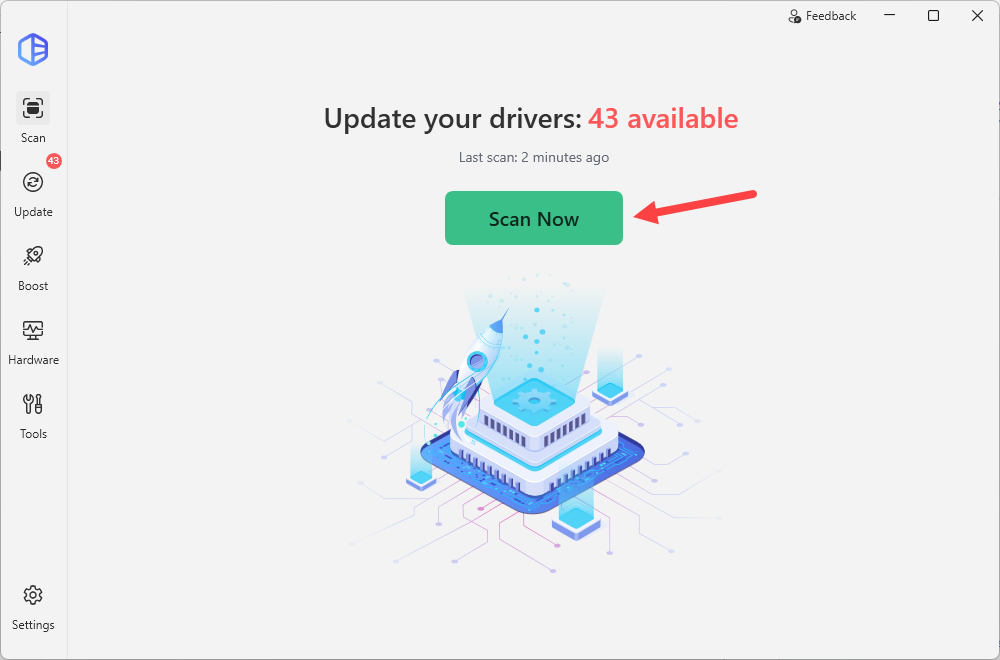
- Run Driver Easy and click the Scan Now button. Driver Easy will then scan your computer and detect any problem drivers.
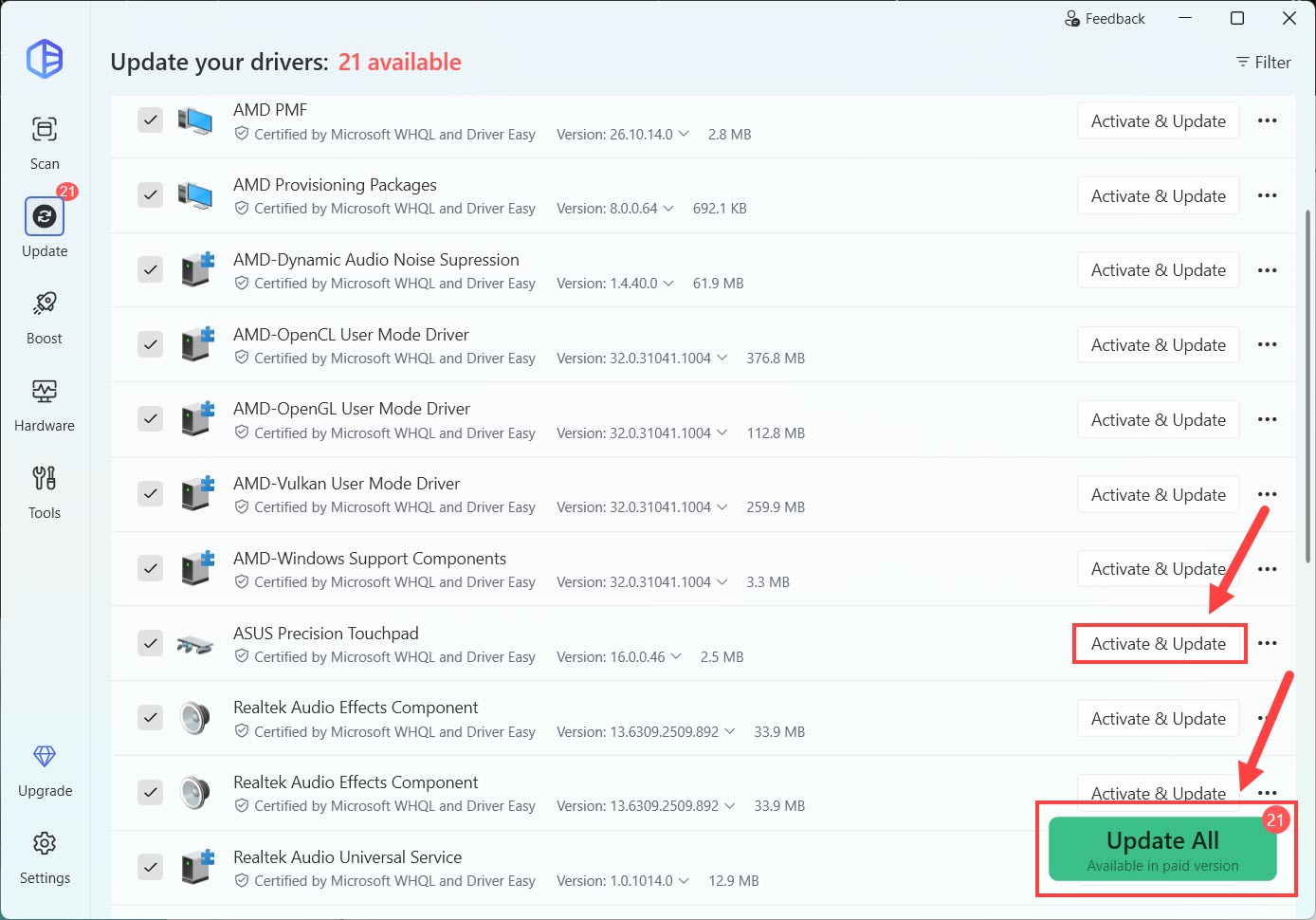
- Click the Activate & Update button next to the flagged devices to update their driver. If you’re not sure about which driver to update, simply click Update All to automatically download and install the correct version of all the drivers that are missing or out of date on your system.
(This requires the Pro version, which comes with automatic driver updates, full technical support plus a 30-day money-back guarantee. Driver Easy also enables you to roll back drivers easily when the latest version doesn’t work smoothly. If you’re not ready to buy the Pro version, you can start a 7-day free trial to try all the Pro features. ) - Restart your computer for the changes to take effect.
Option 2: Update your ASUS drivers manually
If you’re familiar with computer hardware and software, you can download the latest driver directly from ASUS and install it on your computer.
Step 1: Identify your model
- Press the Windows key + R. Type msinfo32 and press Enter.
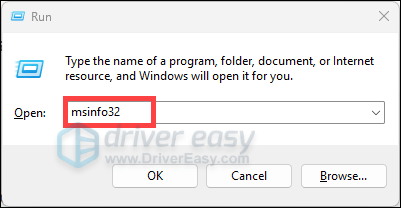
- Note down your System Model (e.g., ROG Zephyrus G16 GU605 or Zenbook 14 UX3402).
Step 2: Download the drivers
- Go to the ASUS Download Center.
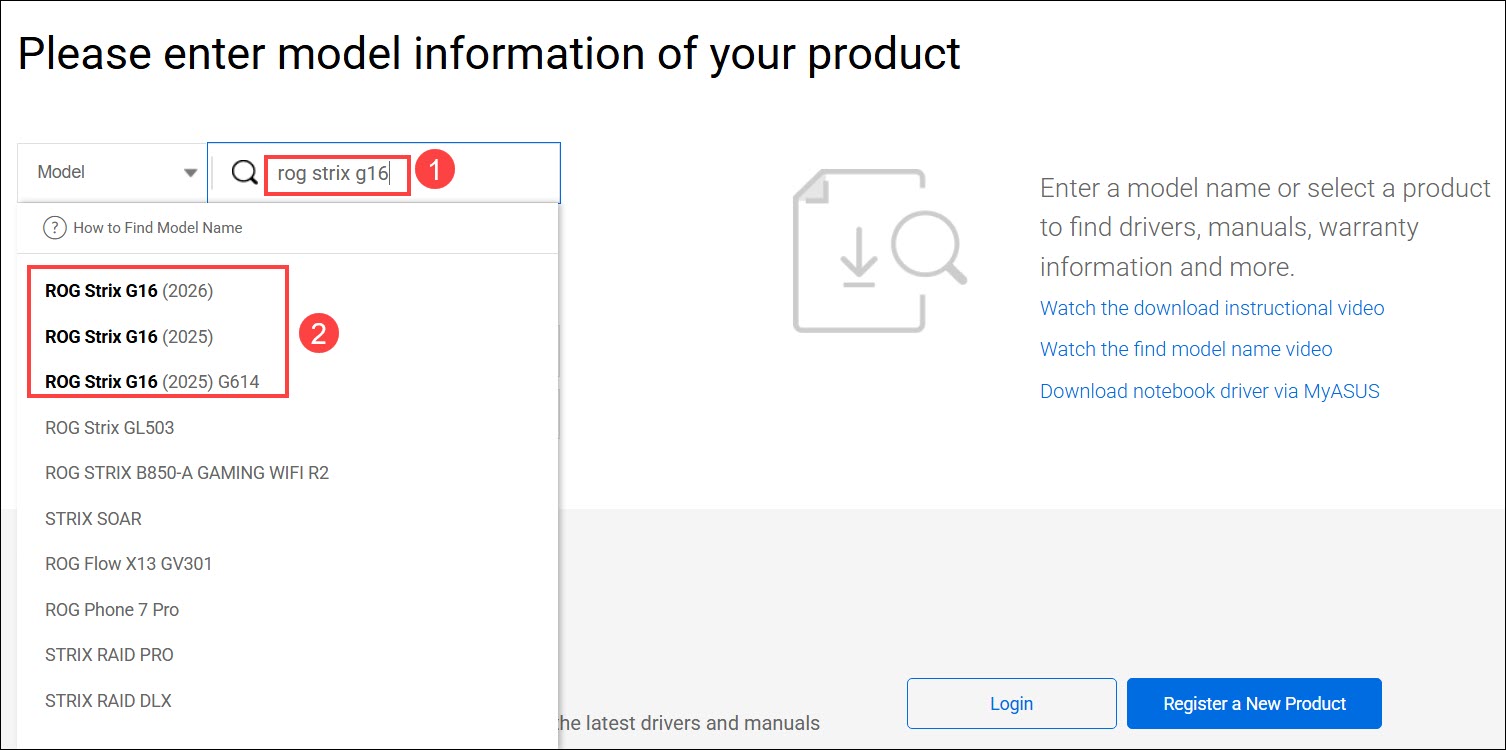
- Type in your model and click the result from the drop-down list.
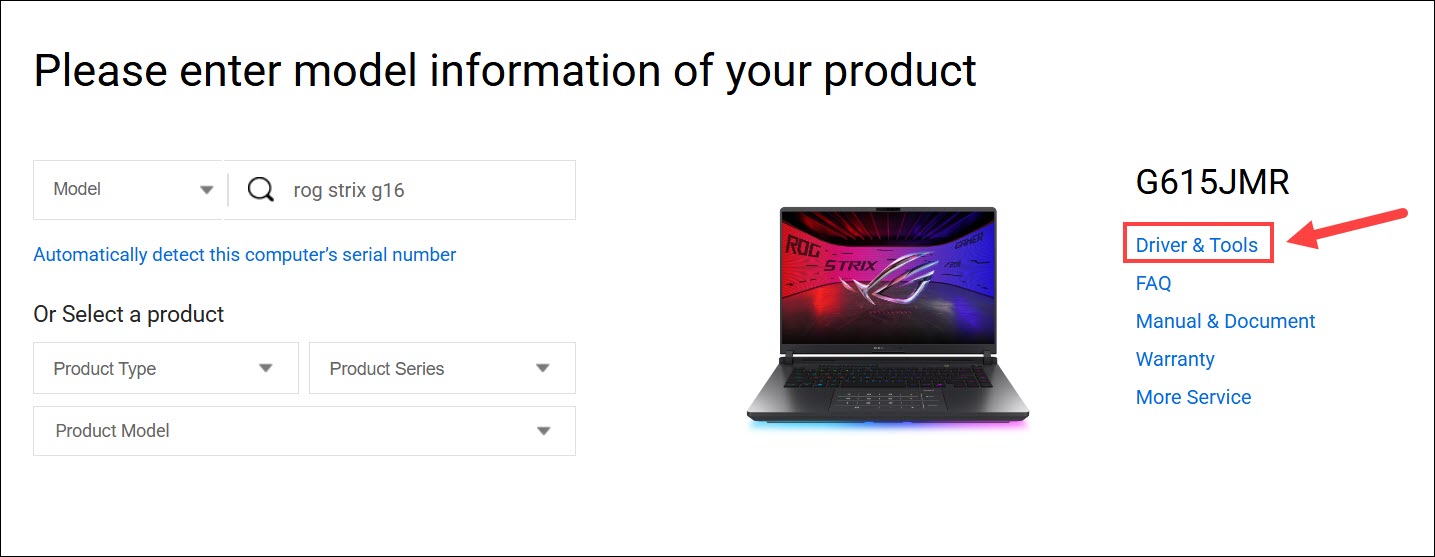
- Click Driver & Tools.
- Choose your CPU or BIOS model and your Windows OS.

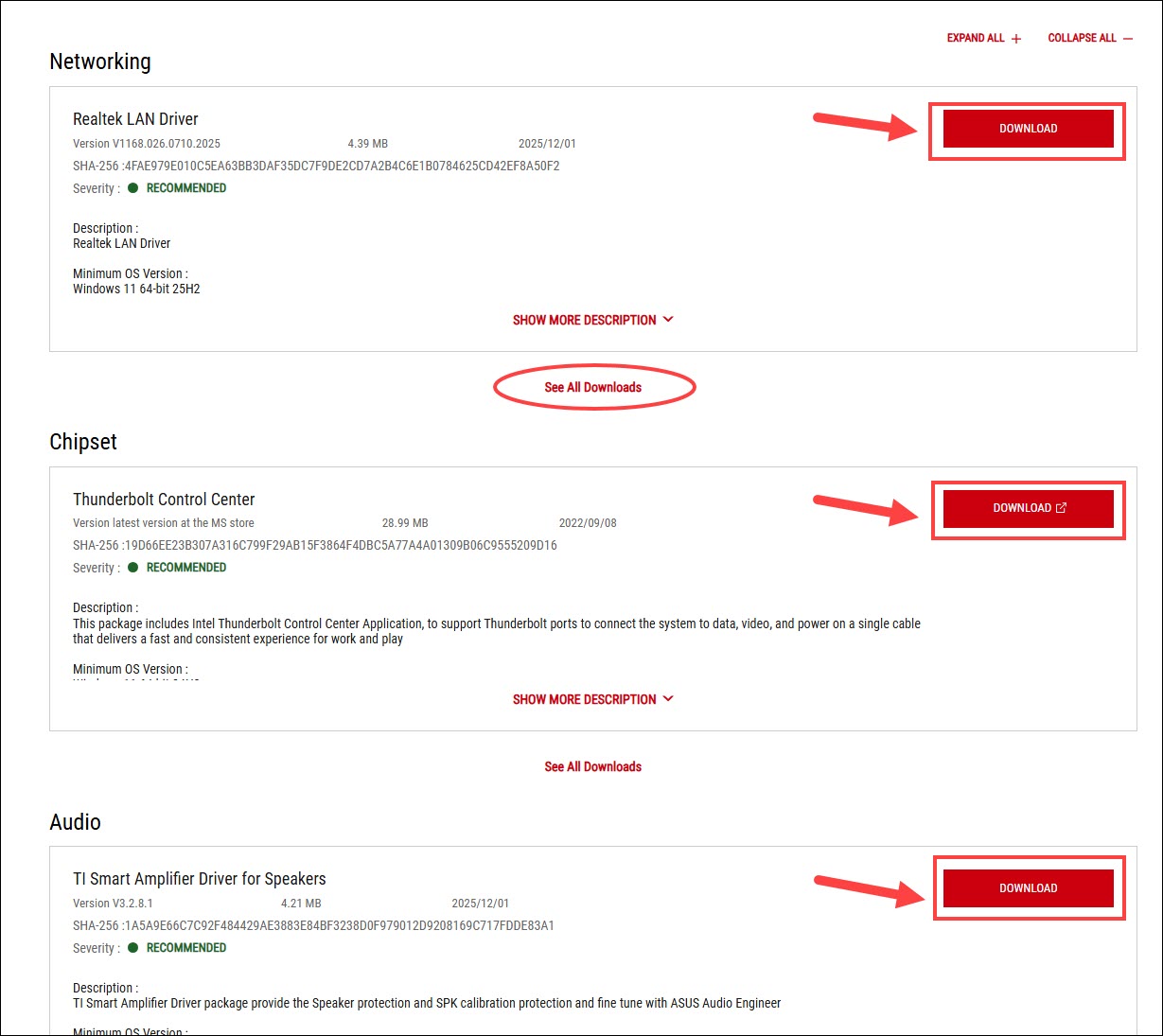
- Locate the driver category you need (e.g., Chipset, Graphics, Networking, or Audio) and click Download. (I don’t know which drivers to update). If you want to download an older driver version, just click View All Downloads to expand the list.
Step 3: Install the driver and verify the update
- Open your Downloads folder, extract the downloaded
.zipfile if necessary, and runSetup.exeas Administrator. - Follow the installation wizard.
- Reboot your PC after the driver installation completes.
- Press the Windows key + X and select Device Manager.
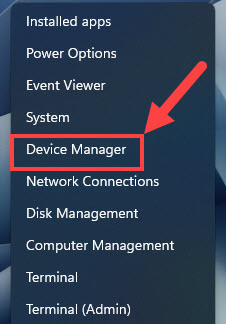
- Expand the corresponding category to find the target device (e.g., Display adapters or Sound, video and game controllers). Right-click it and select Properties.
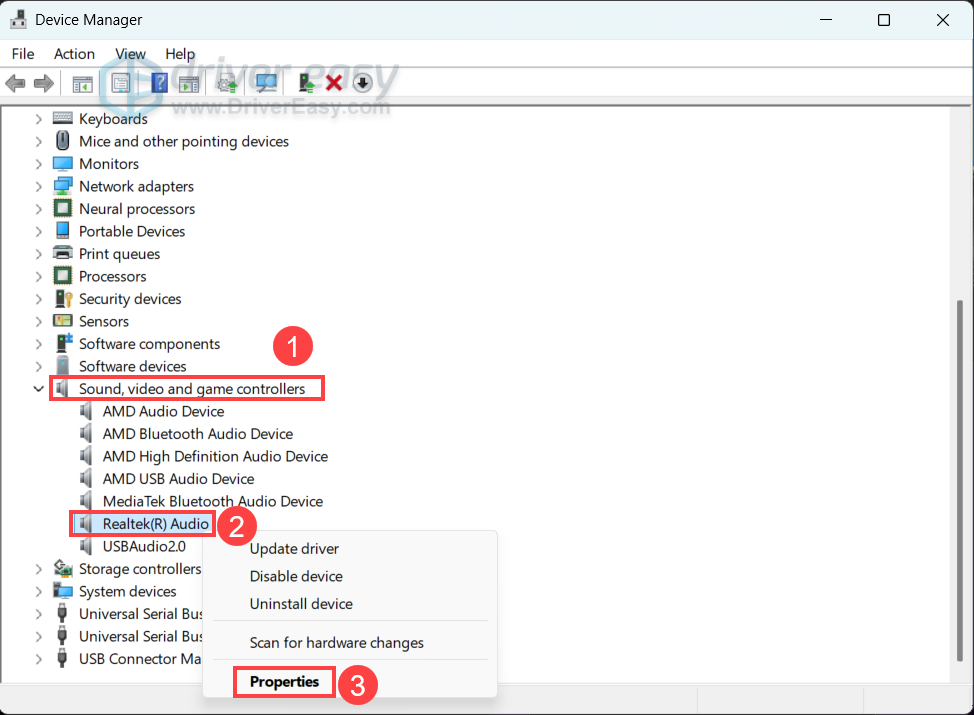
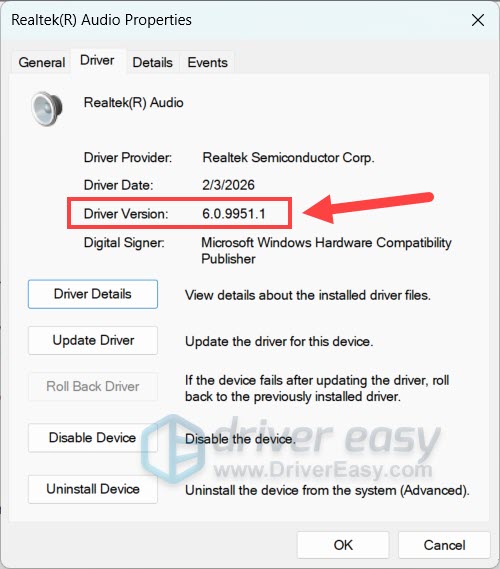
- Select the Driver tab and confirm the Driver Version matches the site listing.
Which ASUS driver should you update?
If you’re not sure which driver you need, use the table below to match your symptoms to the driver category that is most relevant to your hardware. These symptoms can have other causes, so updating the listed driver is a troubleshooting step rather than a guaranteed fix.
| Common symptoms | Drivers to update |
|---|---|
| Low FPS, screen tearing, stuttering, game crashes, external monitor not working. | Graphics driver (VGA) |
| System instability, unexpected blue screens (BSOD), overheating, unknown system devices. | Chipset driver |
| Network disconnecting frequently, slow download speeds, “No Wi-Fi networks found”. | LAN driver |
| Bluetooth audio stuttering, wireless controller lag, Bluetooth toggle missing in Settings. | Bluetooth driver |
| Crackling/popping sound, low volume, built-in microphone not detecting voice. | Audio driver |
| Multi-touch gestures (two-finger scroll, pinch-to-zoom) not working, erratic cursor drift. | Pointing device driver |
There you go– manually and automatically update your ASUS drivers. Hope this helps and feel free to comment below if you have any further questions.