



Typing lag, unresponsive keys, non-functioning shortcut combinations, or malfunctioning RGB backlighting often trace back to an outdated, missing, or corrupted keyboard driver. In other cases, a major Windows update can overwrite your existing setup with a generic driver, leaving special keys disabled or causing some annoying input issues.
A keyboard driver is the software bridge that translates your physical key presses into input signals Windows can understand. While Windows installs a generic driver for standard typing out of the box, dedicated gaming keyboards, wireless peripherals, and laptop hotkey setups require specific, up-to-date drivers to function properly.
In this guide, we’ll show you how to download and update your keyboard drivers on Windows 11, 10, 8, and 7, step by step.
Method 1 – Update via Device Manager
Method 2 – Update your keyboard driver automatically
Method 3 – Download the driver from the manufacturer’s website
Method 4 – Check for Windows Update
Method 1 – Update via Device Manager
This is one of the fastest ways to refresh or reinstall corrupt generic Windows drivers without third-party software.
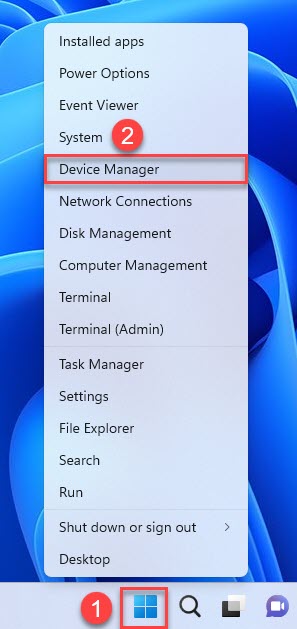
- Right-click the Start button and select Device Manager.
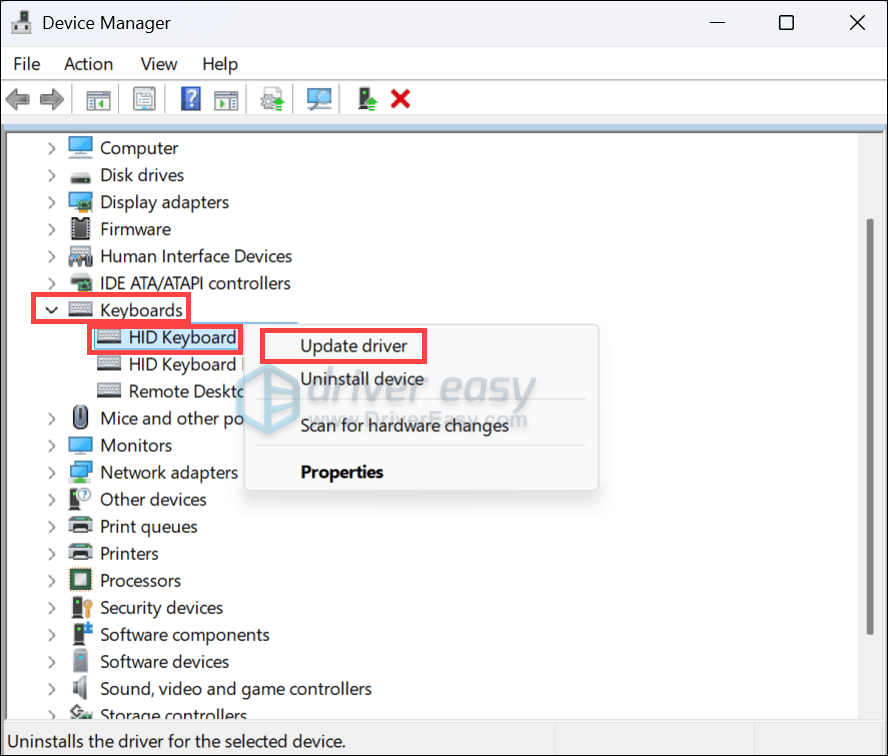
- Expand the Keyboard category.
- Right-click your keyboard and click Update driver.
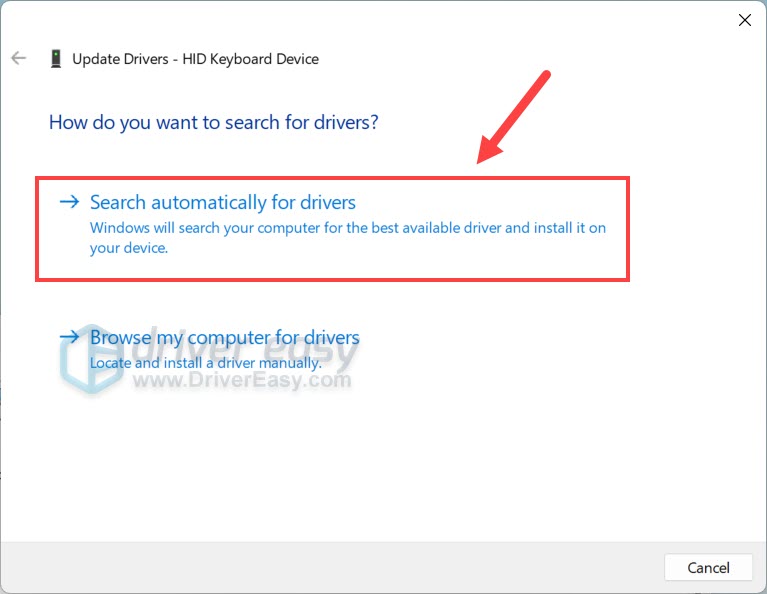
- Click Search automatically for drivers.
- If Windows finds an update, follow the on-screen prompts to install it.
If Windows reports that “the best drivers for your device are already installed”, which is common as Windows doesn’t always provide the latest driver, but your keyboard is still misbehaving, consider reinstalling the driver.
- Right-click the Start button and select Device Manager.
- Expand the Keyboard category.
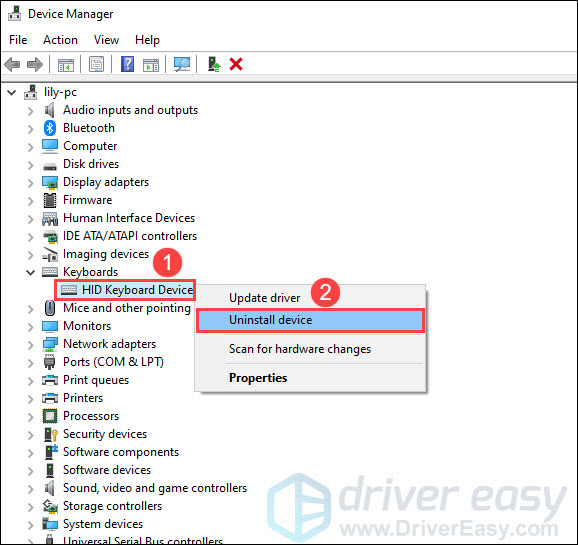
- Right-click your keyboard and click Uninstall device.
- Click Uninstall to confirm.
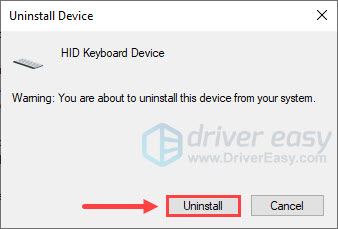
Restart your computer. Upon reboot, Windows detects the connected keyboard hardware and automatically reinstalls a fresh copy of the default driver.
Open Notepad and type a few sentences, testing special characters, function keys, and numpad entries to confirm input registers normally.
If you use a performance gaming keyboard (such as models from Razer, Corsair, Logitech G, or SteelSeries) or a laptop with specialized hotkeys (Dell, Lenovo, HP, ASUS), the generic Windows driver may not be enough. You can follow the methods below to install OEM drivers.
Method 2 – Update your keyboard driver automatically
If you aren’t comfortable with technical troubleshooting, Driver Easy makes managing your drivers much easier.
Driver Easy scans your PC for missing or outdated drivers, helping you update them without having to check for updates manually or install each driver yourself. And it’s not just for your keyboard — you can manage drivers for a wide range of devices, including your GPU, Bluetooth adapter, and USB devices, all in one place.
It also includes built-in driver backup and one-click rollback features. If a driver update causes problems, you can restore your previous setup with a single click. Here’s how it works:
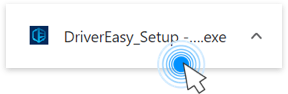
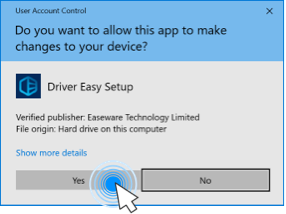
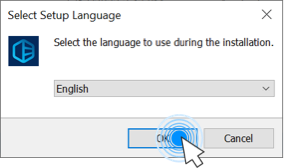
- Download and install Driver Easy.
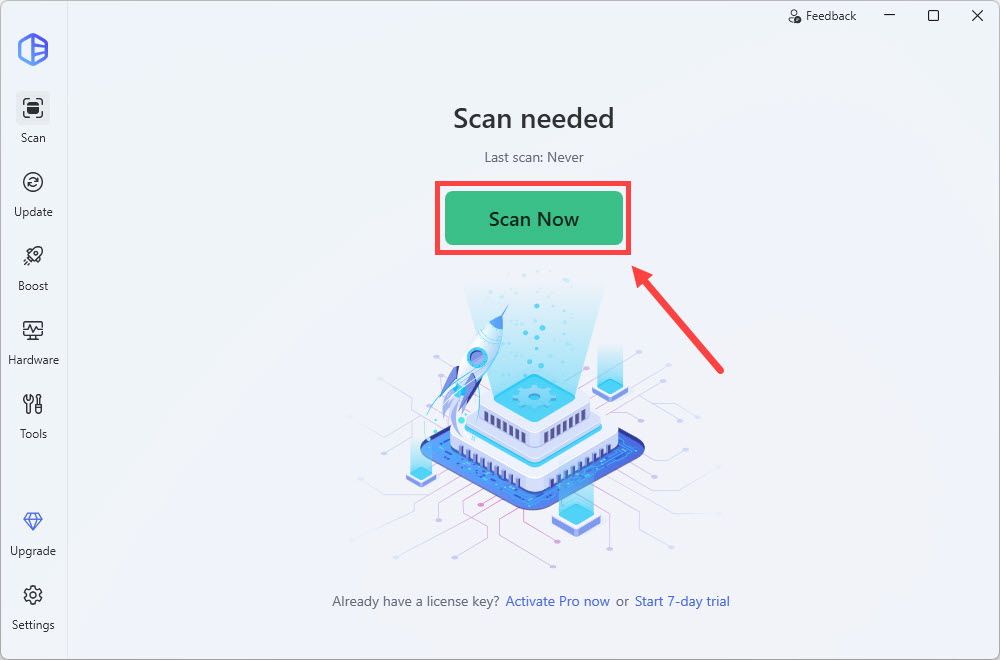
- Run Driver Easy and click the Scan Now button. Driver Easy will then scan your computer and detect any problematic drivers.
- Check if your keyboard driver is flagged in the scan results. If it is, click the Activate & Update button to update the driver, or you can click Update All to update multiple or all device drivers all at once.
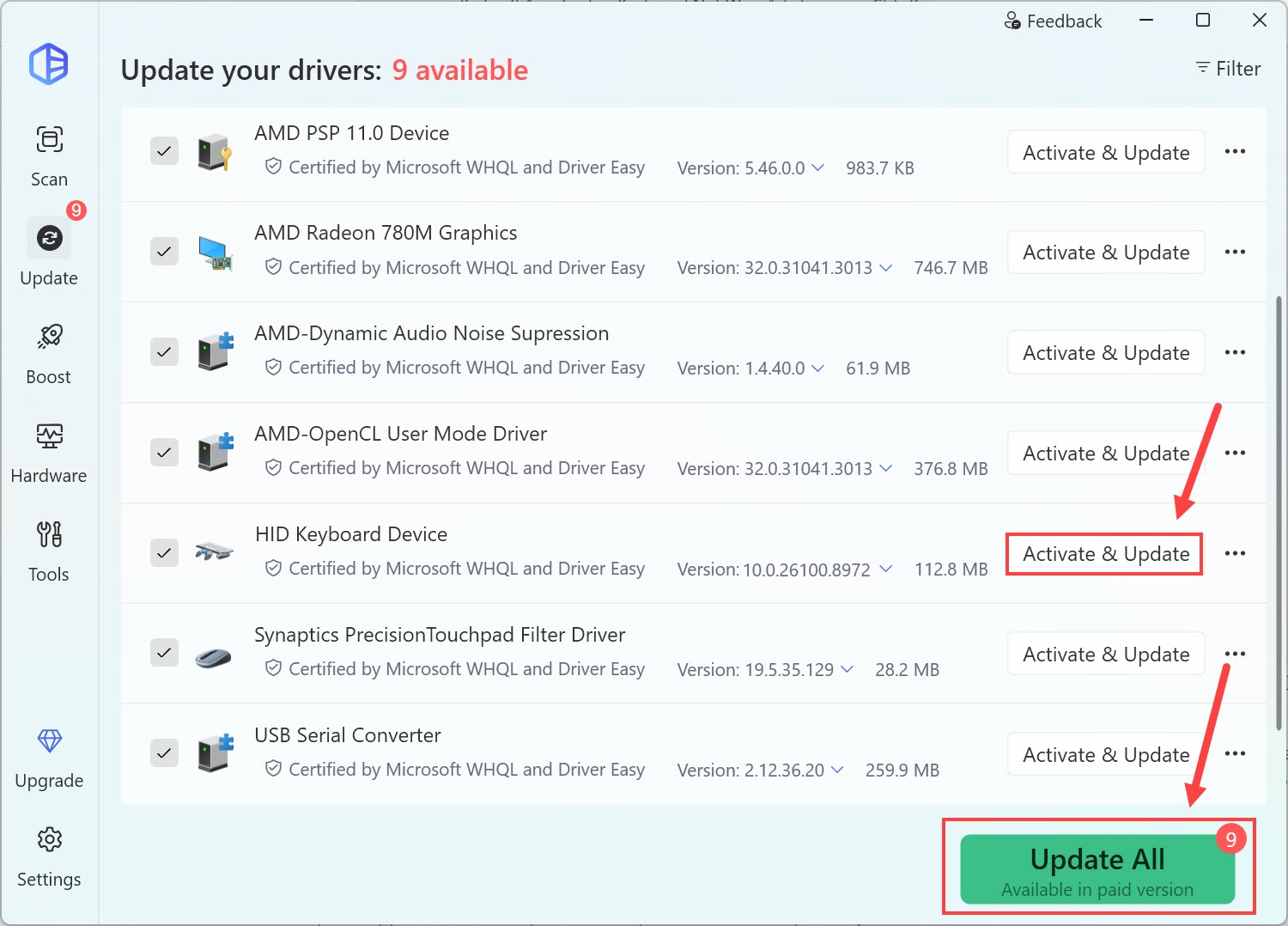
Upgrade to Driver Easy Pro to unlock all the advanced features such as driver updates, backup, rollback, and full technical support. You can also start with a 7-day free trial to explore the Pro features before deciding whether it’s right for you. - Restart your computer and check if your keyboard works smoothly now.
Method 3 – Download the driver from the manufacturer’s website
If you don’t feel like using a driver updater, you can also update the keyboard drivers manually. You’ll need to get them from the manufacturer’s website and install them.
If you’re using an external keyboard, go to the keyboard manufacturer’s website: Corsair/Logitech/Razer/SteelSeries.
If you’re using a built-in keyboard, simply go to the PC manufacturer’s website:
Search for your exact keyboard or PC model, and select your operating system version (e.g., Windows 11 64-bit or Windows 10 64-bit).
Download the latest driver package. Some manufacturers may only provide a companion suite (such as Logitech G HUB, Razer Synapse, or Corsair iCUE). Double-click the downloaded setup file (usually an .exe file) and follow the installation wizard.
Restart your PC to check if the keyboard driver is up-to-date and how your keyboard works now.
Method 4 – Check for Windows updates
Microsoft often supplies driver packages provided by hardware partners through Windows Update. However, peripheral driver updates are frequently classified as “optional” to avoid disrupting functional systems, meaning Windows will not download them unless requested.
- On your keyboard, press the Windows key + I to open Settings.
- Select Windows Update and click Check for updates.
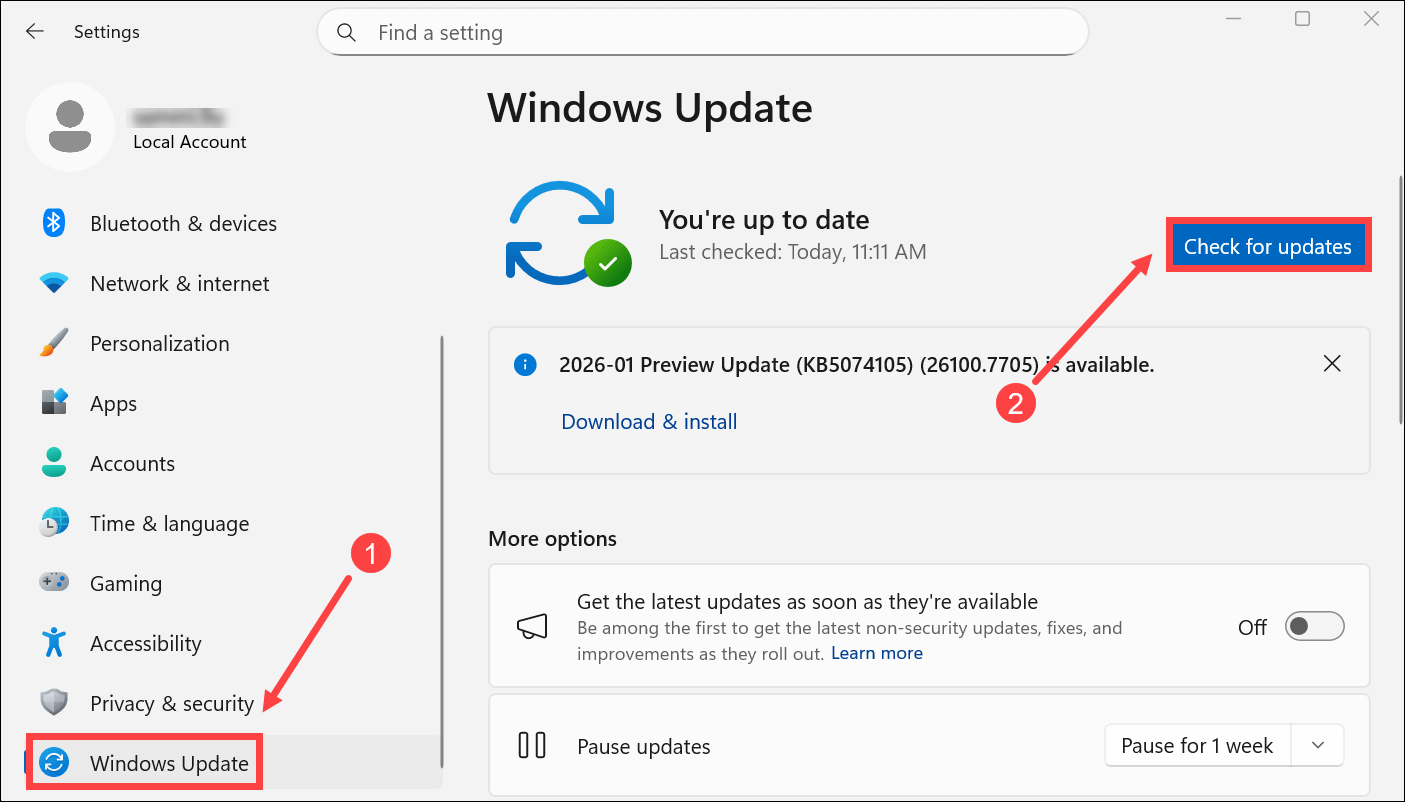
- Under the Additional options heading, click Optional updates. Expand the Driver updates section. Select any relevant keyboard or controller updates, and click Download and install.
What to do if your keyboard still doesn’t work
If updating the driver does not restore normal keyboard function, the issue may involve Windows accessibility configurations, USB power throttling, or connection conflicts rather than driver files. Here are some further troubleshooting steps:
1. Check physical connections
- Direct port connection: Unplug the keyboard from any external USB hubs, docking stations, or monitor passthroughs, and plug it directly into a rear USB port on your desktop motherboard.
- Check the cable and dongle: If using a 2.4 GHz wireless keyboard, ensure the USB receiver is not obstructed by thick metal cases or placed directly adjacent to high-speed USB 3.0 storage drives, which can emit 2.4 GHz frequency interference.
- Test on another computer: Plug the keyboard into another computer. If it fails there as well, the problem points to a worn cable, a faulty controller board, or internal switch degradation rather than a software issue.
2. Disable Filter Keys
A common issue that causes a dead or lagging keyboard is the Windows “Filter Keys” feature. When enabled, it tells Windows to ignore repeated or brief keystrokes. You can disable it to see if the issue is solved.
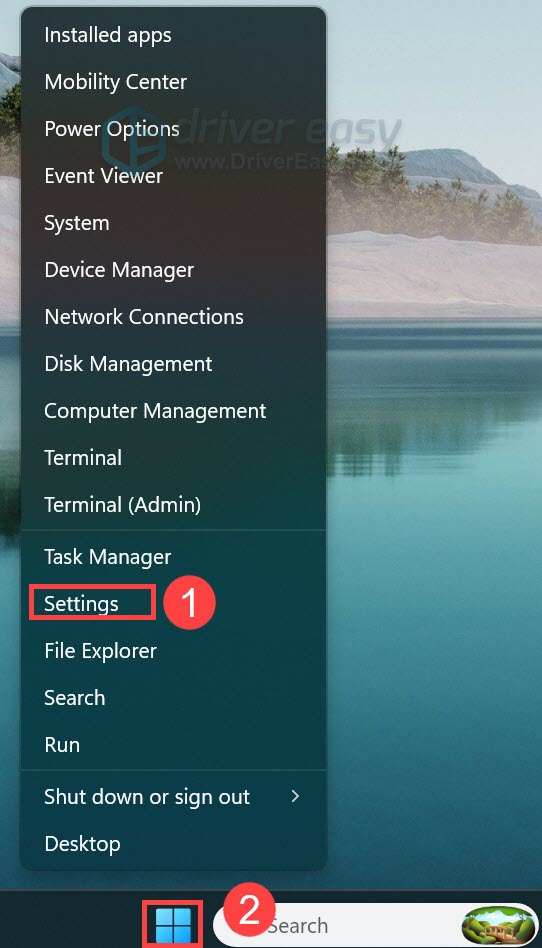
- Right-click the Start button and select Settings.
- Go to Accessibility > Keyboard.

- Toggle off Filter keys.

- Now try using your keyboard and see how it works.
3. Turn off USB selective suspend
Windows power management can shut down idle USB ports to save power, which sometimes causes wired or wireless USB dongles to stop responding:
- Right-click the Start button and select Device Manager.
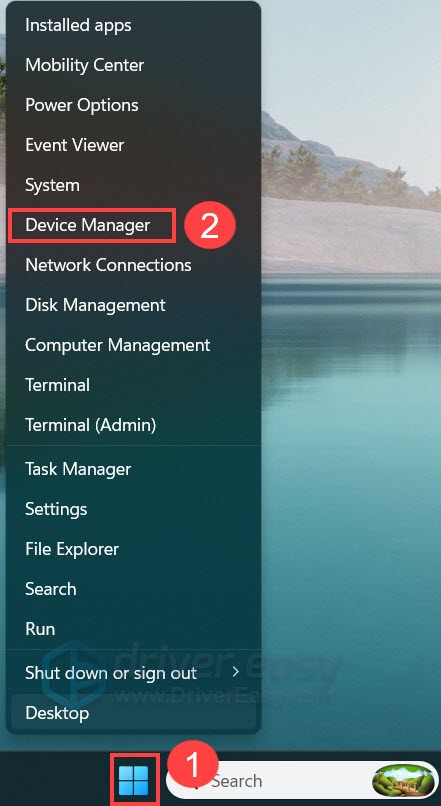
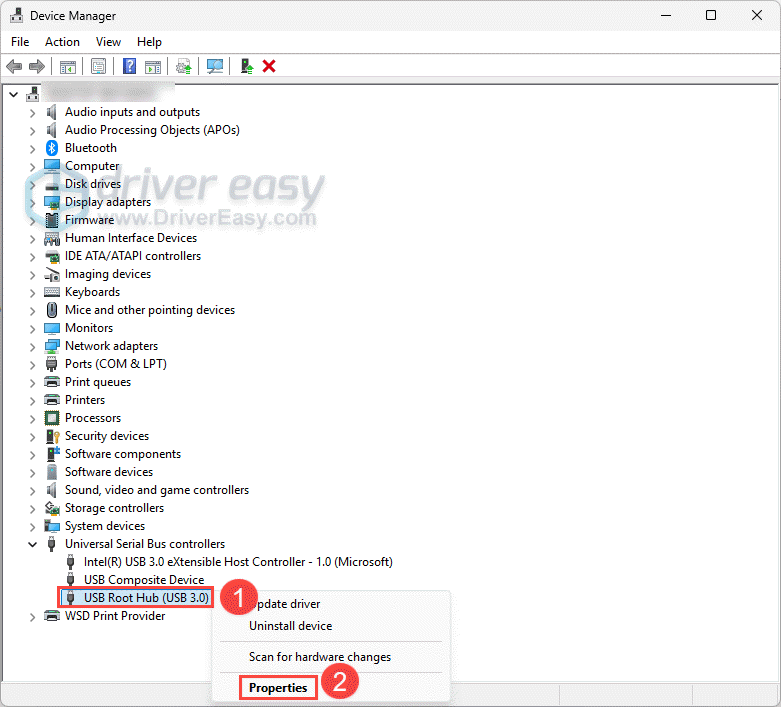
- Scroll down and double-click to expand Universal Serial Bus controllers.
- Right-click on USB Root Hub (or USB Root Hub (USB 3.0)) and select Properties. (If you see multiple Root Hubs, repeat these steps for each one).
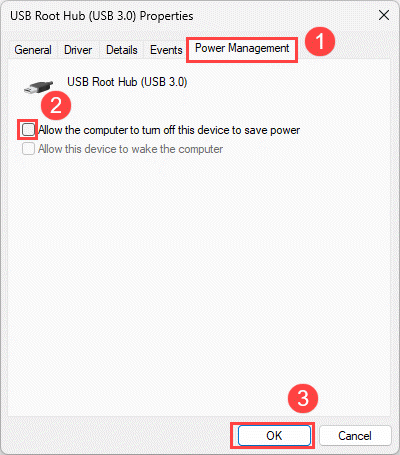
- Navigate to the Power Management tab. Uncheck the box next to Allow the computer to turn off this device to save power. Click OK to save the changes.
Keeping your keyboard driver properly configured ensures consistent response times, reliable shortcut mapping, and broad compatibility across Windows 11/10/8/7.
Still having trouble? Drop a comment below with your keyboard or laptop model, your exact Windows version, and whether your keyboard works in the BIOS menu. We’ll be happy to help you diagnose the issue!