


If your Wi-Fi keeps dropping, running painfully slow, or throwing “No Internet connection” errors, an outdated or corrupted wireless network driver is usually the cause. Updating your Wi-Fi adapter driver ensures a stable connection and unlocks optimal speeds on your local network.
If you don’t know how, below we’ll show you how to do that step by step.
3 ways to update the WiFi driver for Windows
There are three safe methods to update the wireless network adapter driver on your Windows device. You can update the driver manually via Windows Device Manager or your PC manufacturer’s website. If you prefer
- Update your WiFi driver with Device Manager
- Download your WiFi driver from your PC manufacturer
- Use Driver Easy to update your device drivers automatically
Method 2 & Method 3 require your computer to access the Internet. If not, you can try the following workarounds:
- Use your phone (USB Tethering)
For Android: Plug your phone into your PC using a data cable. Go to your phone’s Settings > Network & internet > Hotspot & tethering, and turn on USB tethering.
For iPhone: Plug it in, go to Settings > Personal Hotspot, turn it on, and select “USB Only” (Make sure you have iTunes installed on your PC for this to work smoothly). - Use another computer that can access the Internet. Download the driver, save it to the USB drive, plug it into your offline computer, and install it from there.
Method 1: Update your WiFi driver with Device Manager
You can also use Device Manager to update your WiFi network adapter driver. Here’s how to use it:
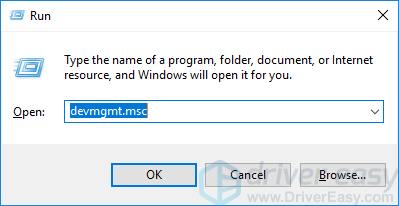
1) Press the Windows logo key and R on your keyboard to invoke the Run box.
2) Type devmgmt.msc and press Enter.
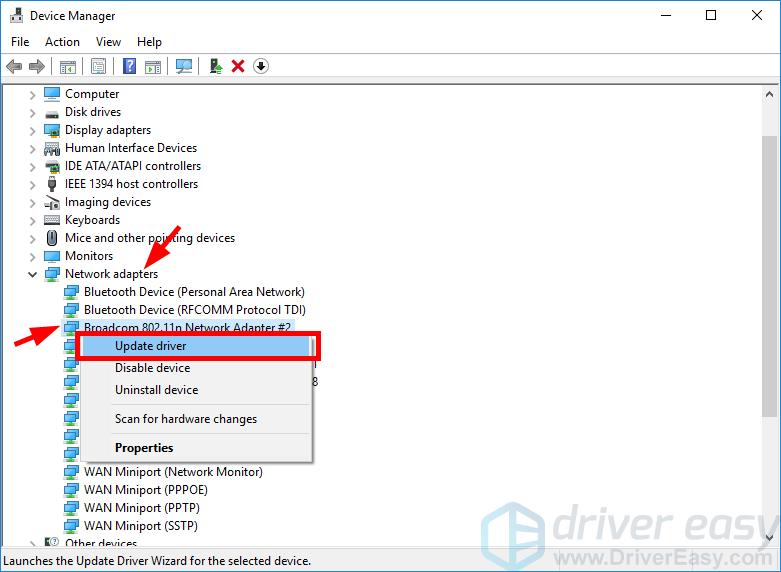
3) Double-click Network adapters to expand it. Right-click your wireless network adapter, then click Update driver.
3) Select Search automatically for drivers and wait for the process.
If Windows says “The best drivers for your device are already installed”, it doesn’t always mean your driver is up to date. Microsoft’s driver catalog often lags behind hardware manufacturers. If you’re still experiencing WiFi issues, or you want to download the latest driver, move on to the methods below.
Method 2: Download the WiFi driver from the PC manufacturer
You can download your wireless adapter driver directly from your PC manufacturer’s official website, then install the driver manually. Below, we’ll show how to download from HP, and the steps are similar for other brands.
1) Go to the official website of your PC manufacturer.
2) Then search for your exact computer model.
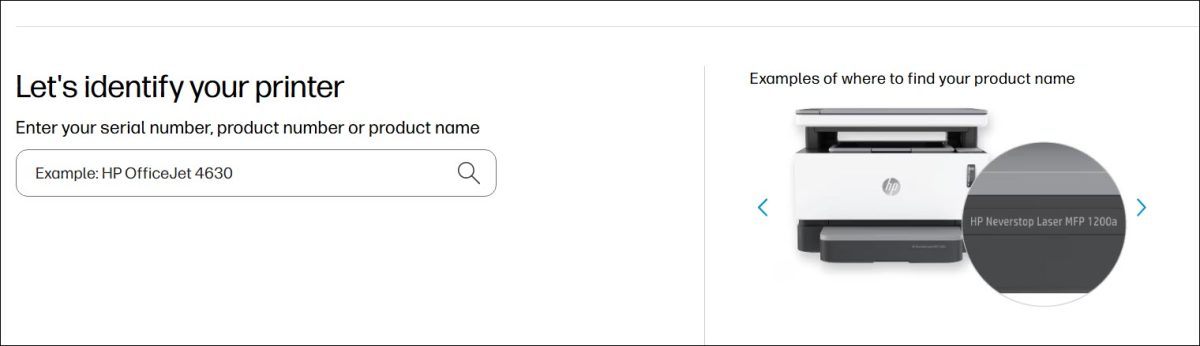
3) From the available drivers, download the wireless adapter driver for your Windows version.
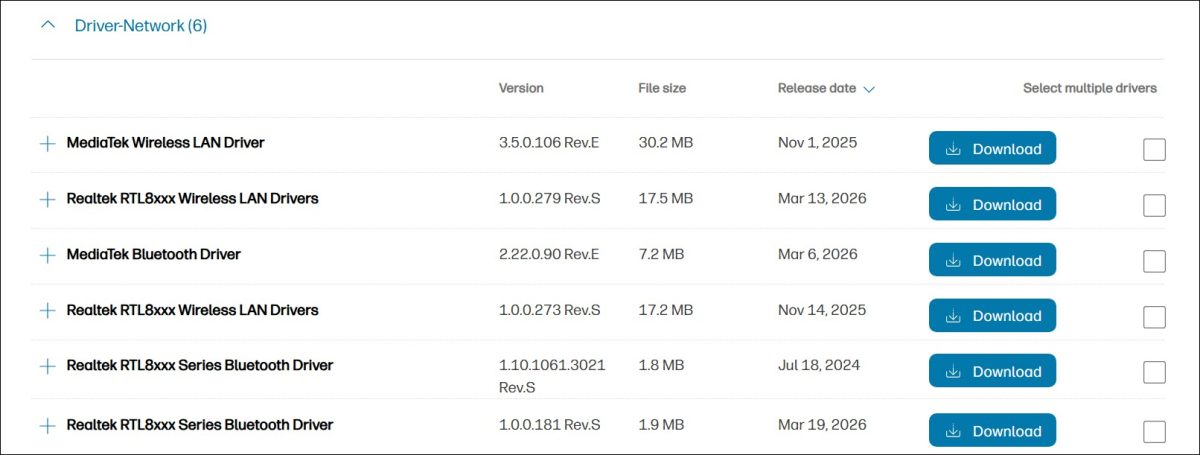
4) Once done, open the downloaded file, usually an .exe or .msi setup file, and follow the on-screen instructions to install the driver on your computer.
Your computer vendor may provide wireless adapters from different manufacturers, such as Intel, Realtek, MediaTek, or Qualcomm. If you’re unsure which driver to download, right-click the Start button and select Device Manager, expand Network adapters, and check your wireless adapter’s name.
Method 3: Update your device drivers automatically
If you want to update your WiFi driver automatically while optimizing your entire system’s performance in one go, let Driver Easy do the job for you.
Driver Easy automatically recognizes your system and checks your entire PC for missing, outdated, or corrupted drivers, from your graphics card (GPU) and Bluetooth to your audio and motherboard chipset. You don’t need to guess your hardware specs, keep checking updates from the manufacturer’s websites, or worry about installing the wrong version. Driver Easy handles it all.
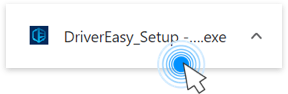
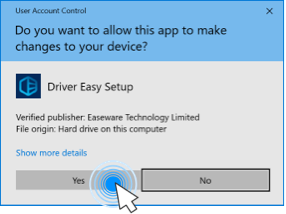
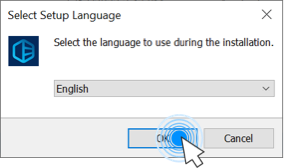
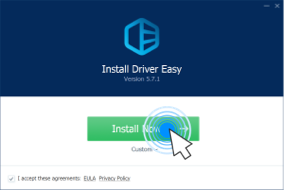
1) Download and install Driver Easy.
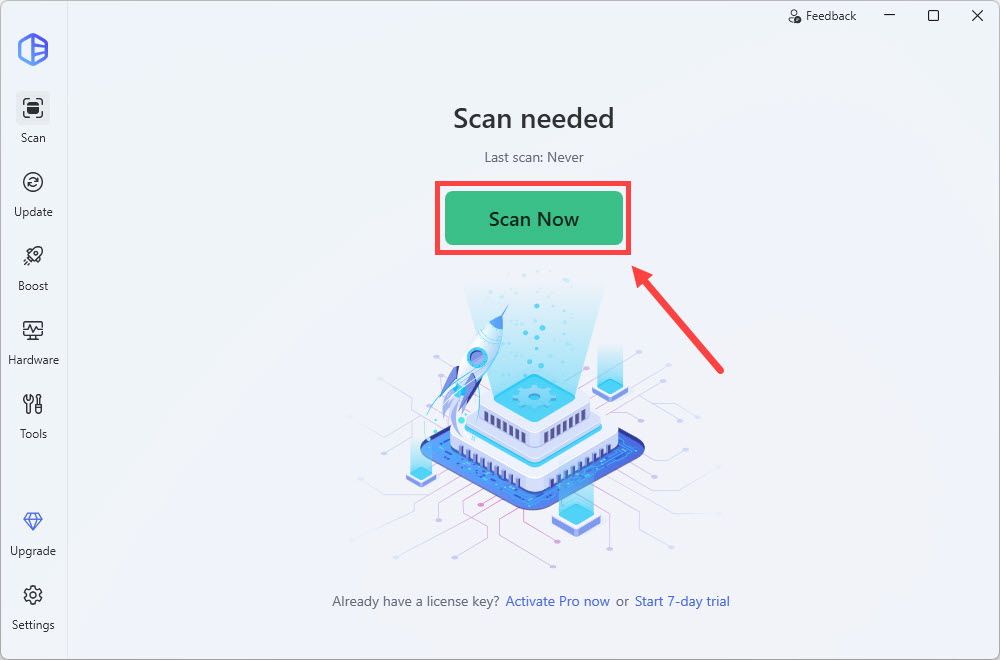
2) Run Driver Easy and click the Scan Now button. Driver Easy will then scan your computer and detect any problem drivers.
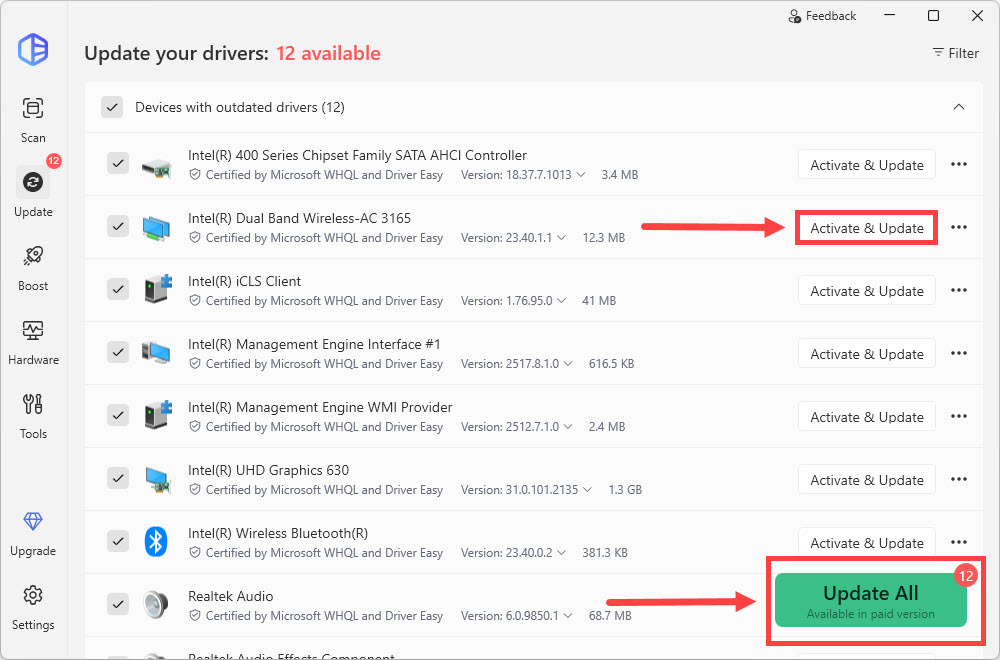
3) Check if your wireless adapter driver is flagged in the scan results. If it is, click Activate & Update to update it. Or you can click Update All to automatically download and install the correct, official versions of all the drivers that are missing or out of date on your system.
Still no Internet after updating?
While a driver update solves 90% of wireless issues, leftover network caches or stuck router settings can sometimes block your connection. If you’ve updated the driver, but your computer still can’t access the Internet, follow the steps below to troubleshoot.
1. Double-check the hardware & Fn key switches
It sounds obvious, but it can happen sometimes: check if Airplane Mode was accidentally clicked in your bottom-right taskbar. If you are on a laptop, also make sure you haven’t toggled a physical Wi-Fi switch or pressed a function key shortcut (like Fn + F2 or Fn + PrtSc) that turns off wireless radios.
2. Power cycle your router and PC
Unplug your Wi-Fi router’s power cable, wait 30 seconds, and plug it back in. While the router reboots, restart your PC. This clears out temporary IP conflicts and frozen network tables on both devices.
3. Flush your DNS & reset Winsock cache
Sometimes old or corrupted network cache prevents Windows from reaching the internet. To fix it:
- Press the Windows Key, type cmd, right-click Command Prompt, and select Run as administrator.
- Type the following commands one by one, pressing Enter after each:
netsh winsock resetnetsh int ip resetipconfig /flushdns - Restart your PC to let the changes take effect.
4. Perform a clean Windows network reset
🔔 You will need to re-enter your Wi-Fi password once your computer reboots.
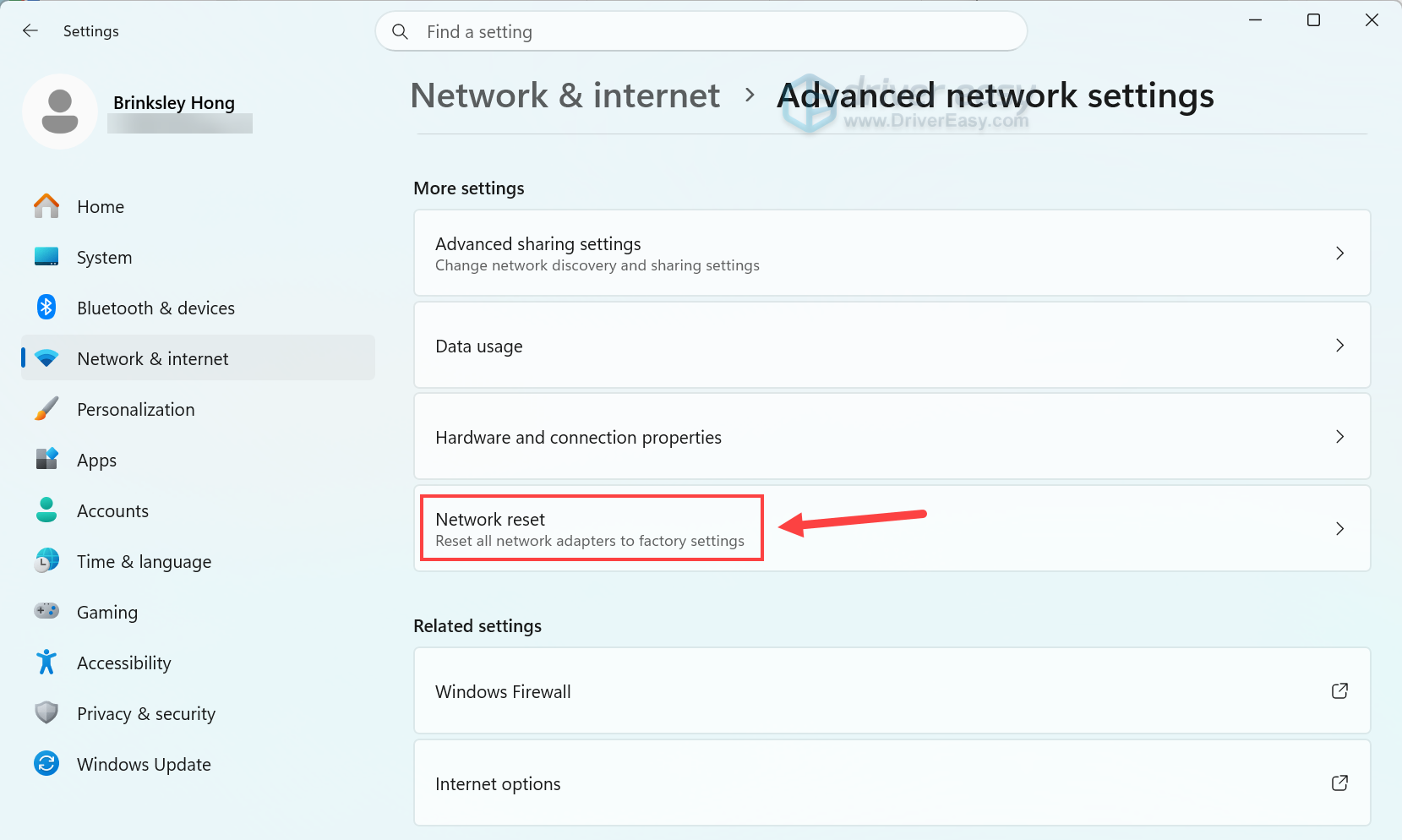
- Open Settings. Go to Network & internet and select Advanced network settings. If you’re on Windows 10, select Status.
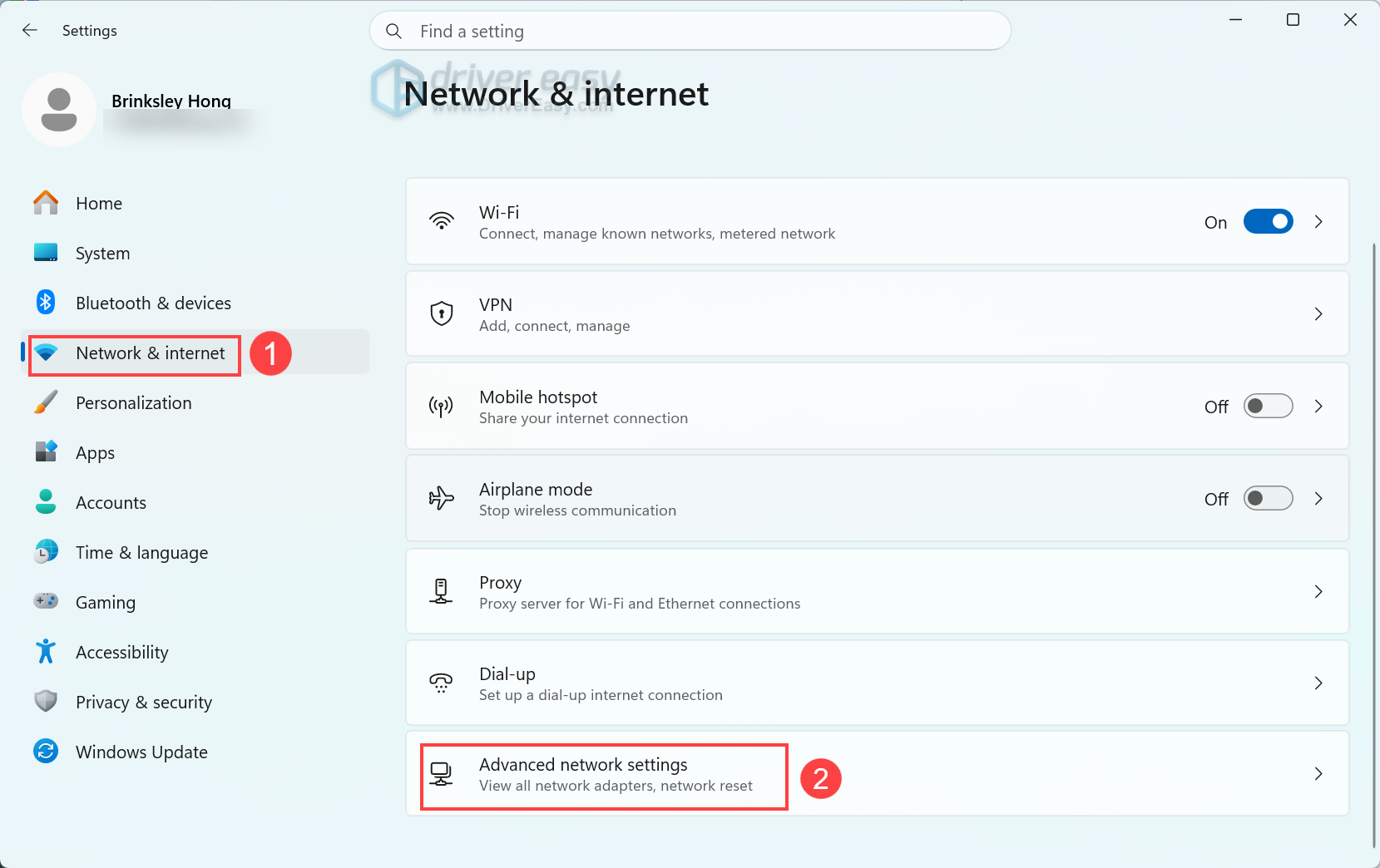
- Select Network reset.
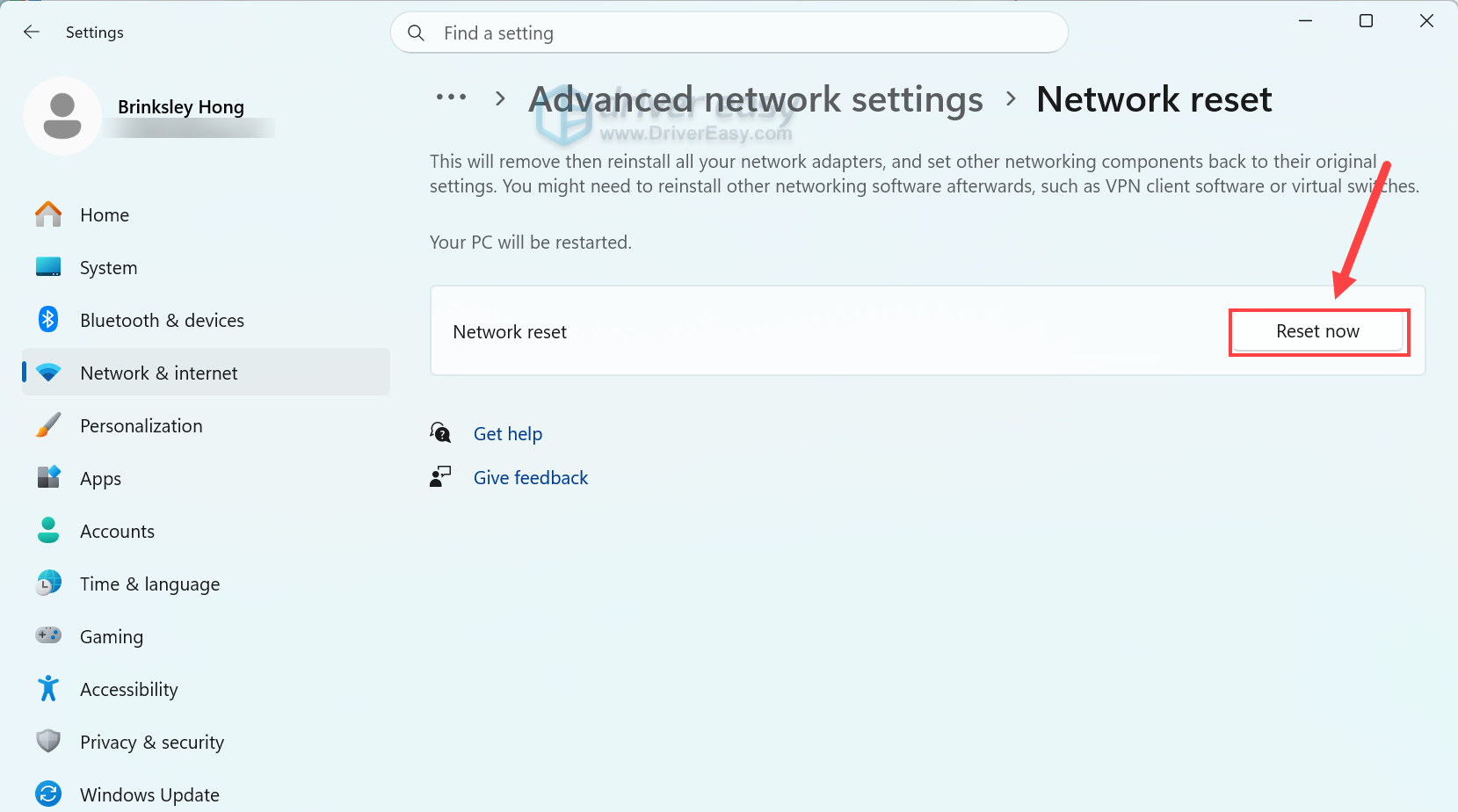
- Click Reset now. Then select Yes when you’re prompted to confirm.
- Restart your computer to apply the changes.
Keeping your wireless driver updated usually resolves most connection issues and keeps your Wi-Fi running stable. However, network glitches can sometimes stem from other system settings or hardware configurations.
If you’re still experiencing Wi-Fi drops or internet speed issues, feel free to check out our other network troubleshooting guides for additional step-by-step fixes or drop a comment below.
