


Print to PDF is an amazing feature built into Windows. Users can print their files, like JPGs and Word files, as a PDF file. If you hit Print to PDF in Windows, only to have nothing happen, or end up with a useless 0-byte file, you’re not alone.
This is a common Windows glitch. But don’t worry; you don’t need to be a system administrator to fix this. In this article, we will show you effective solutions to solve the problem. Follow the troubleshooting steps with screenshots below, and you should get your print-to-PDF working again.
Try these fixes:
- Remove special characters (commas) from the file name
- Restart the Print Spooler service
- Disable and re-enable the Microsoft Print to PDF feature
- Set Microsoft Print to PDF as default printer
- Remove & restore Microsoft Print to PDF and reinstall its driver
Solution 1: Remove special characters (commas) from the file name
One of the most common reasons Microsoft Print to PDF silently fails or produces a 0-byte file is simple: commas or special symbols in the output file name. Windows may fail to process virtual print jobs if the filename contains characters like , #, %, or &.
1) Try printing your document again.
2) When the Save Print Output As window appears, enter a simple, plain text file name (e.g., TestFile).
3) Select your destination (preferably your Desktop) and click Save.
Check if the PDF appears on your desktop and opens properly in your web browser or PDF reader. If it opens, you’re good to go! If not, check out the next fix below.
Solution 2: Restart the Print Spooler service
The Print Spooler manages all print jobs sent to your system. If this service gets hung up in the background, your PDF creation may not start properly/ You can restart the Print Spooler service to see if that resolves the issue.
1) Press the Windows logo key + R to open the Run box. Then type services.msc, and press Enter.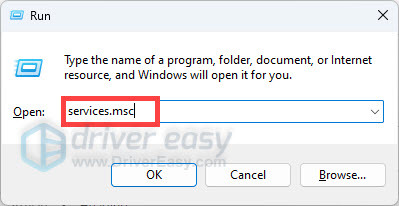
2) Find Print Spooler in the list. Right-click it and select Restart.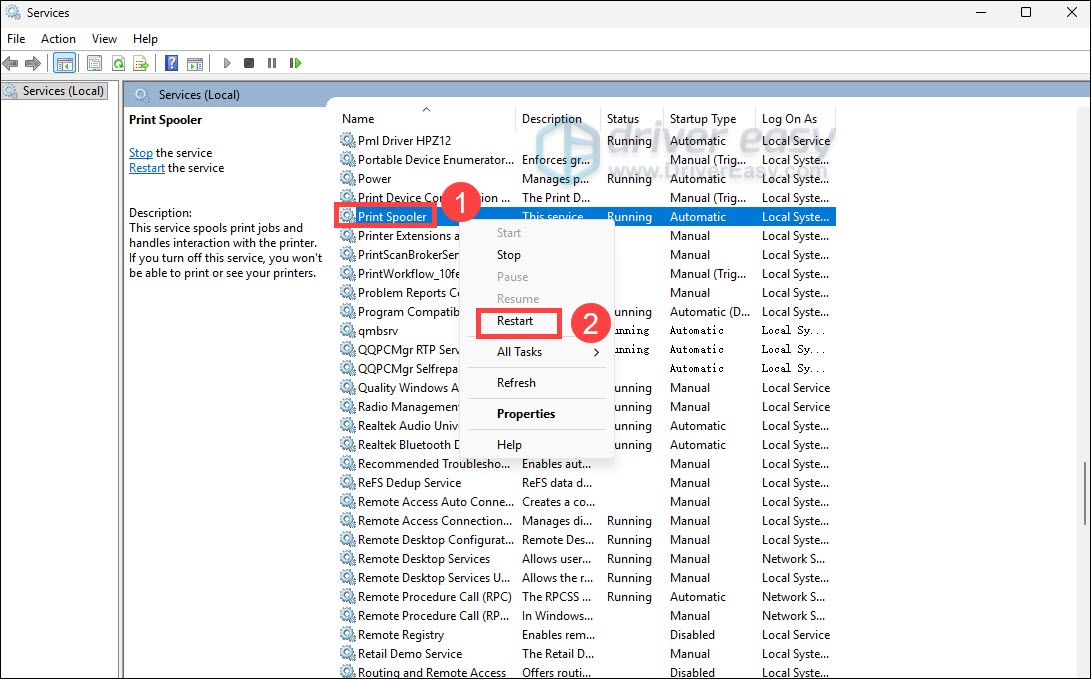
Open any text document, press the Ctrl key + P, select Microsoft Print to PDF, and see if the save prompt completes smoothly.
Solution 3: Disable and re-enable the Microsoft Print to PDF feature
Sometimes the underlying Windows component needs a quick soft reset to clear cached glitches. You can simply turn off and turn on this feature to see if that works again.
1) On your keyboard, press the Windows logo key + R to invoke the Run command. Type optionalfeatures and press Enter.
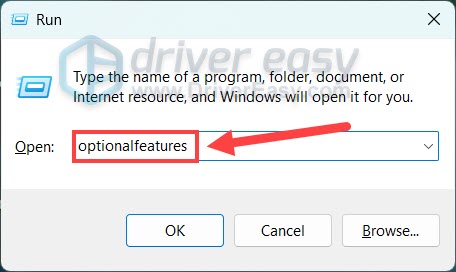
2) In the pop-up Windows Features window, scroll to find Microsoft Print to PDF. Uncheck it and click OK to save settings.
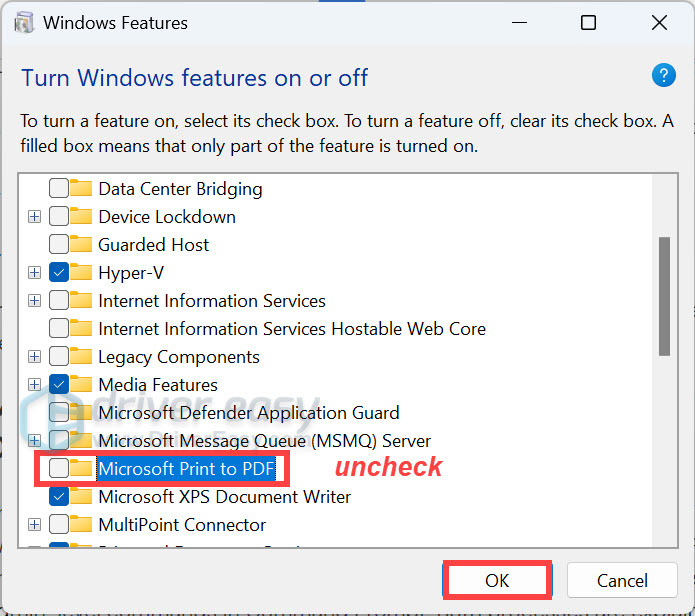
3) Reboot Windows.
4) Follow step 1) again to open the Windows Features window. Check Microsoft Print to PDF and click OK to save changes.
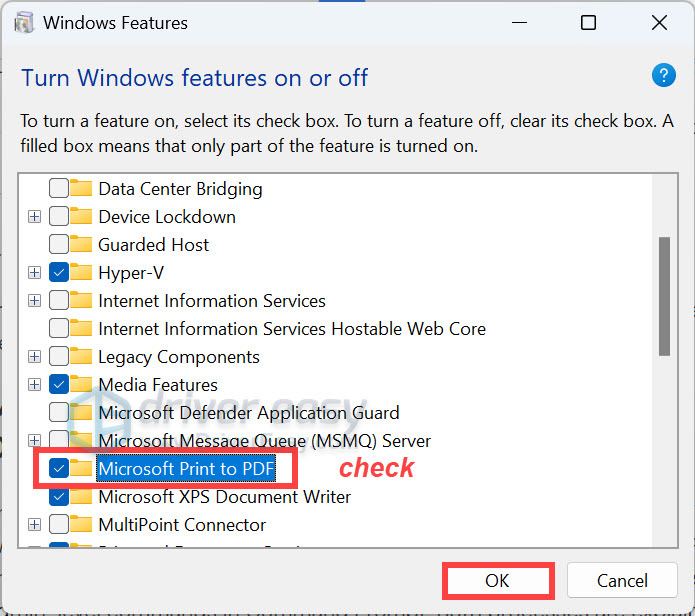
Try converting a web page or Word document into a PDF. The output dialog should now respond normally.
Solution 4: Set Microsoft Print to PDF as default printer
If Windows loses track of your target output device—especially after a major feature update—setting Microsoft Print to PDF as your default printer can clear up redirection errors.
For Windows 11 users
For Windows 10 users
Windows 11
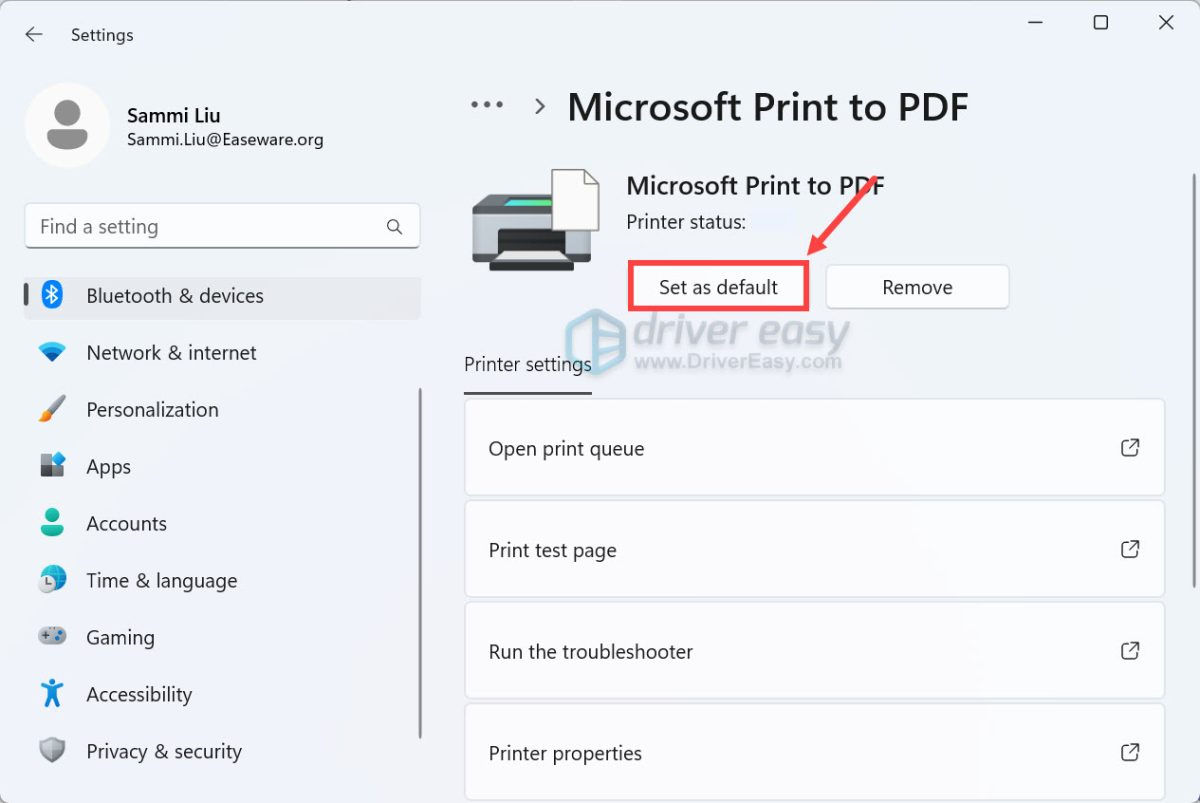
1) On your keyboard, press the Windows logo + I keys simultaneously to open Settings.
2) Select Bluetooth & devices on the left, then click Printers & scanners on the right.
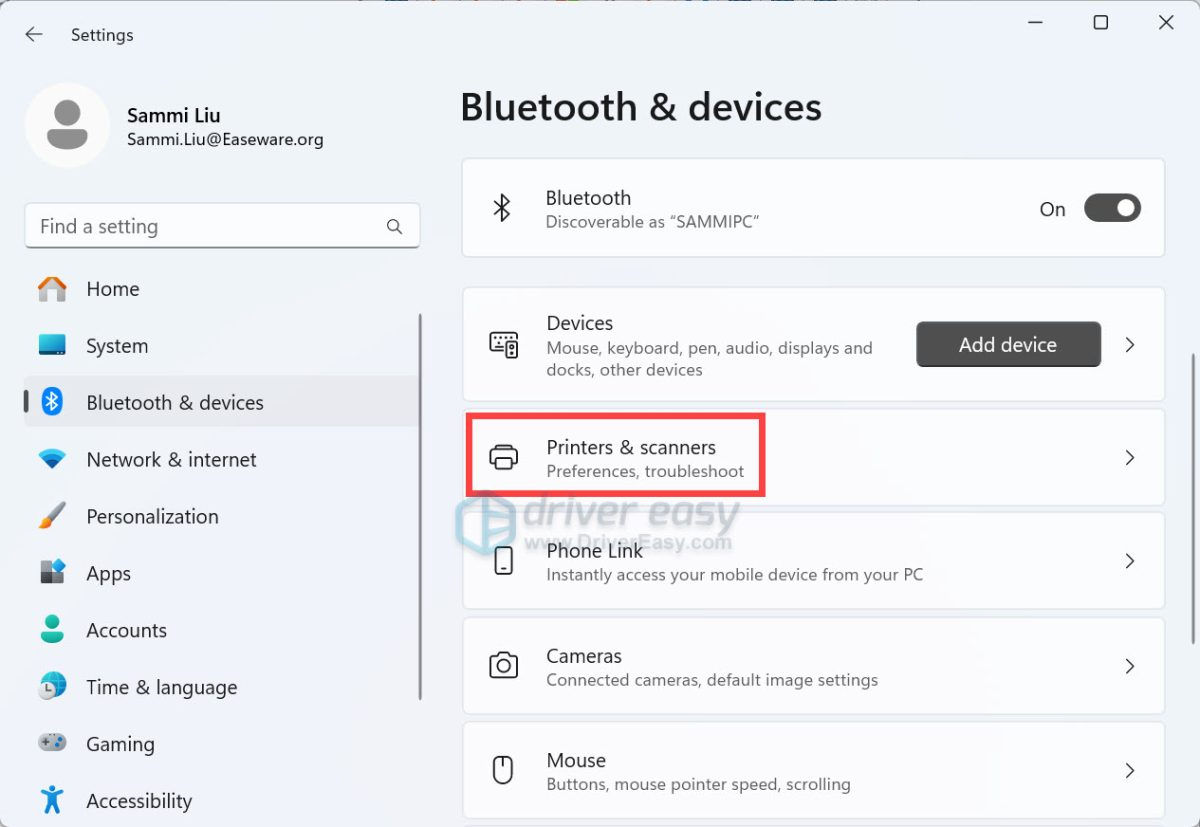
3) Find Microsoft Print to PDF and click on it.
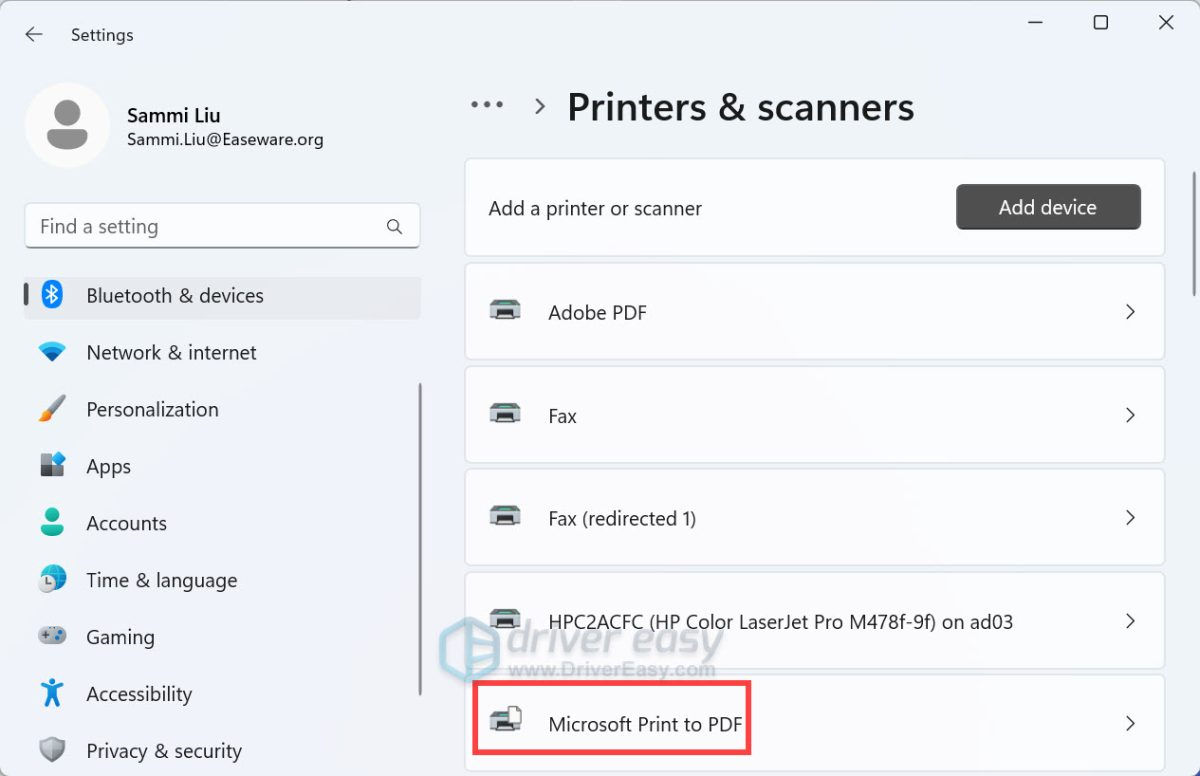
4) Click Set as default.
Windows 10
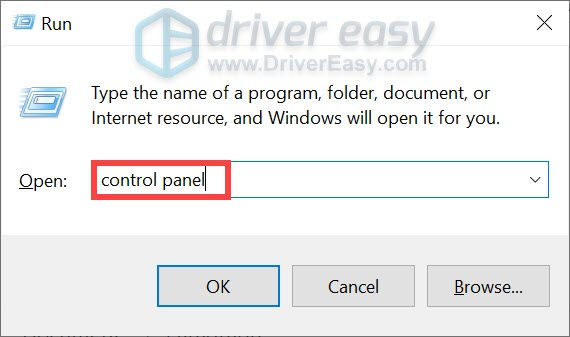
1) On your keyboard, press the Windows logo + R keys simultaneously to open the Run box. Type control panel and hit Enter.
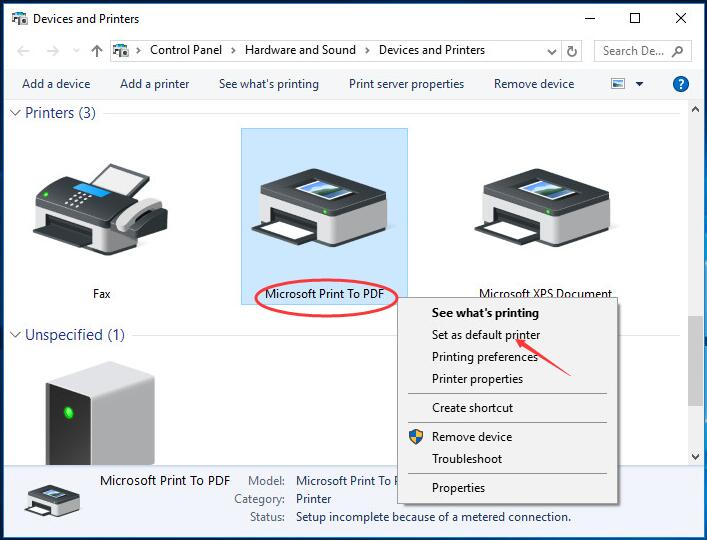
2) Make sure you set Category as your view-by. Then find View devices and printers. Click on it.
3) Find and right-click on Microsoft Print to PDF under Printers dialog on Devices and Printers window. Then click Set as default printer.
Solution 5: Remove Microsoft Print to PDF and reinstall its driver
If none of the lighter fixes worked, the virtual port assignment (PORTPROMPT:) might be corrupted. You can re-add the printer manually to reset its communication port.
For Windows 11 users
For Windows 10 users
Windows 11
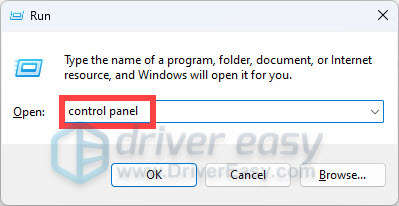
1) On your keyboard, press the Windows logo + R keys simultaneously to open the Run box. Type control panel and hit Enter.
2) Make sure you set Category as your view-by. Then find View devices and printers. Click on it.
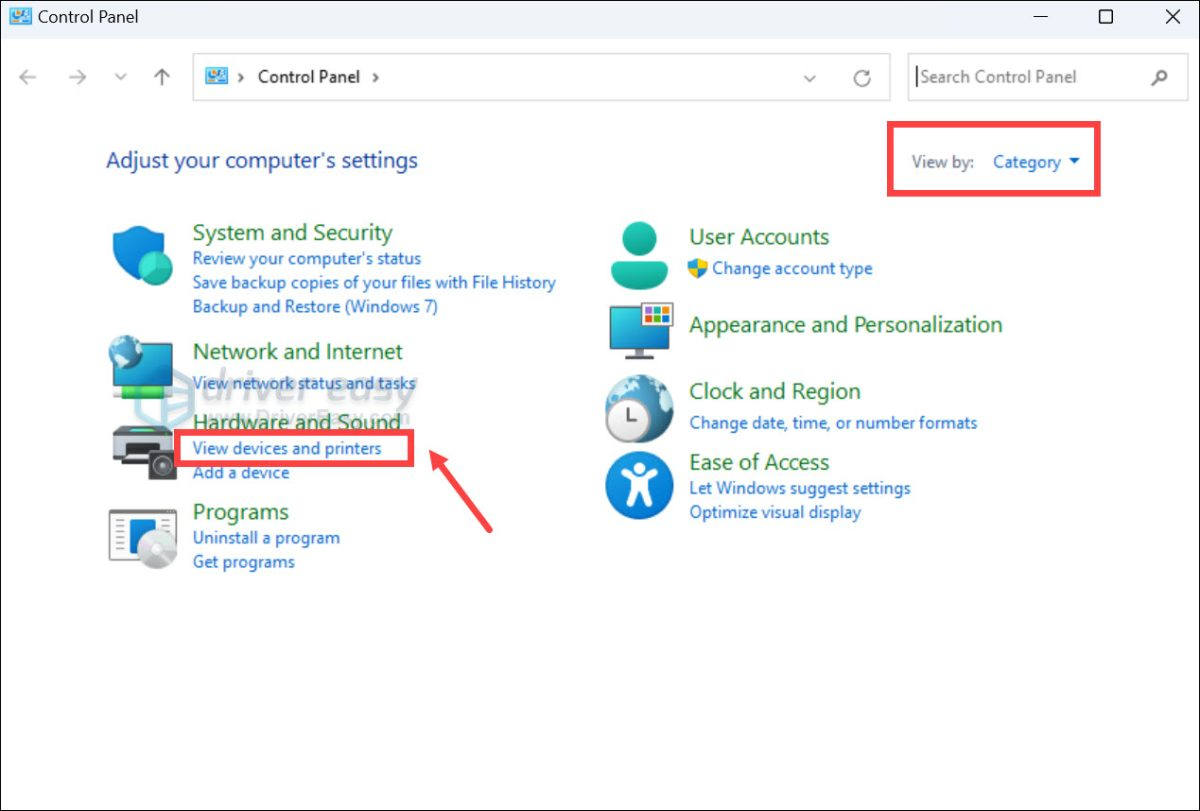
3) Scroll down and click Printers & scanners.
4) Find Microsoft Print to PDF and click on it.
5) Click Remove.
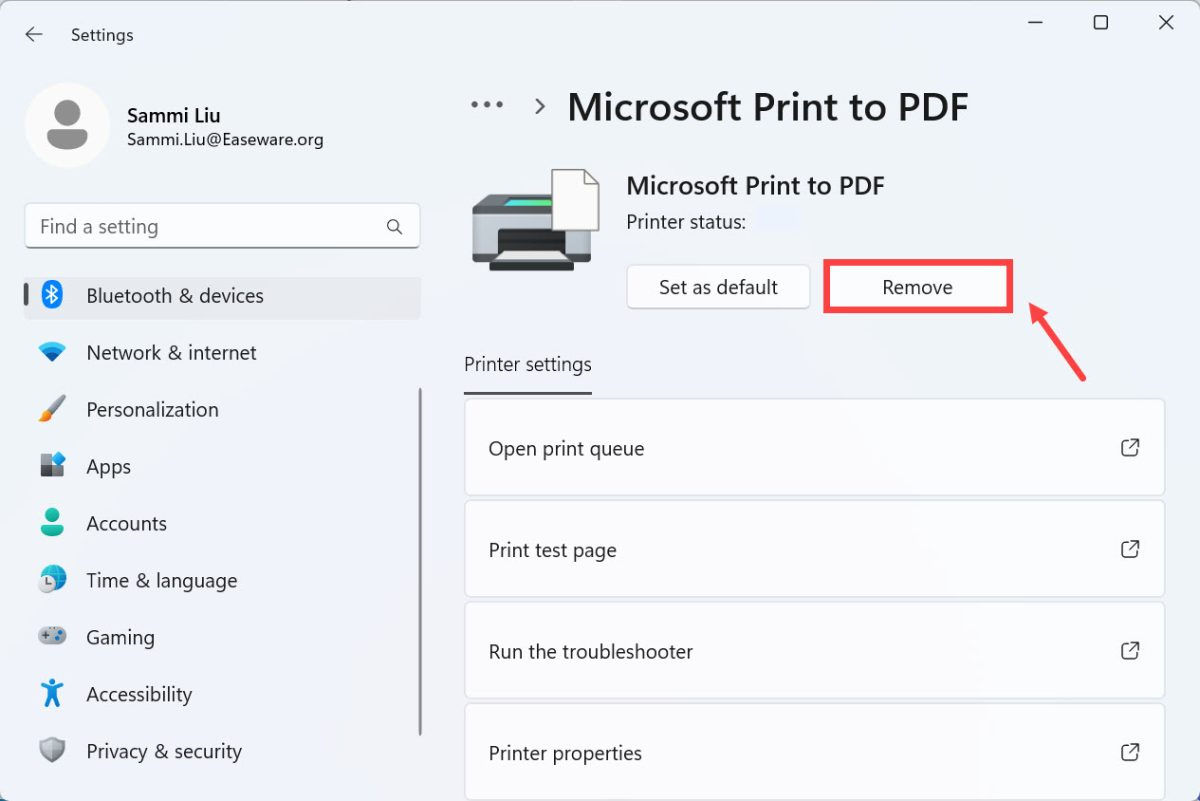
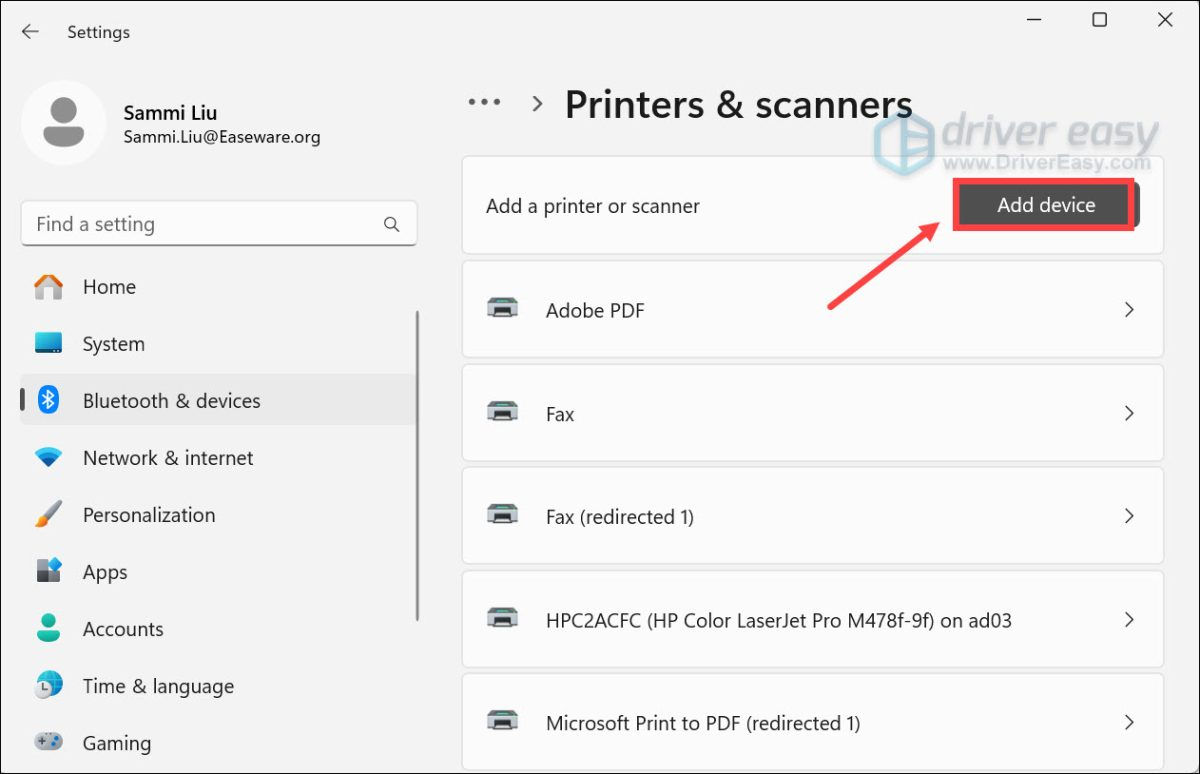
6) Go back to the Printers & scanners window, you should see the button Add device.
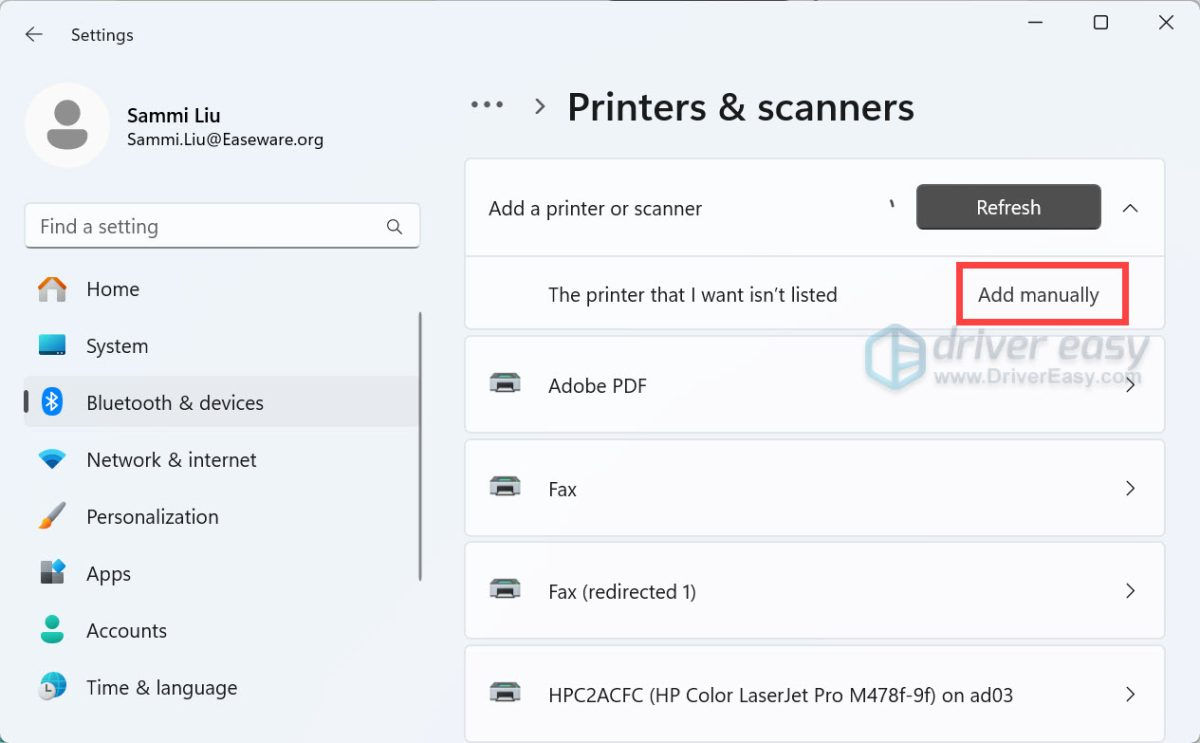
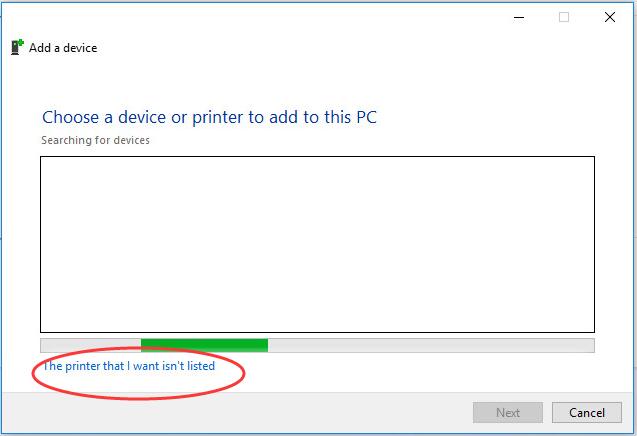
7) Click Add manually next to The printer that I want isn’t listed.
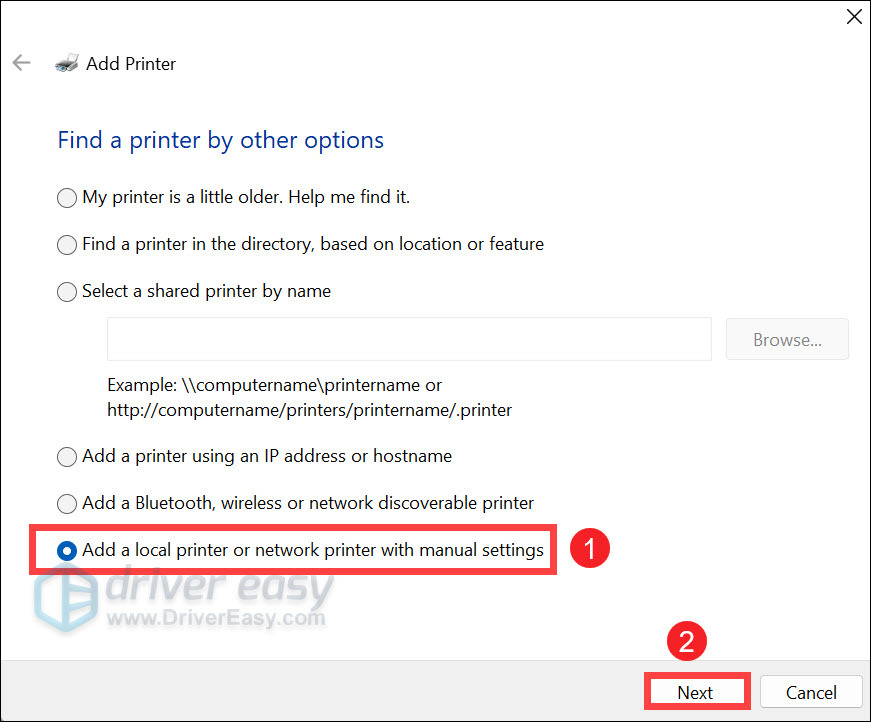
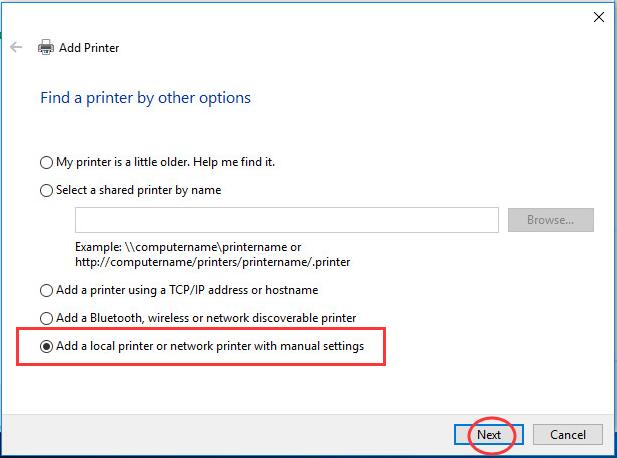
8) Tick Add a local printer or network printer with manual settings, then click Next.
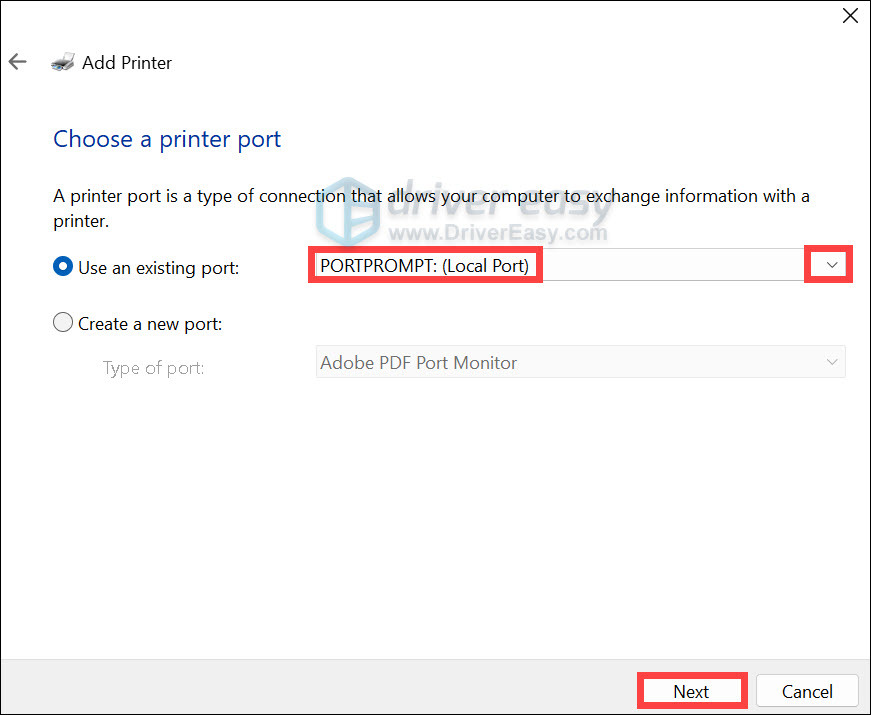
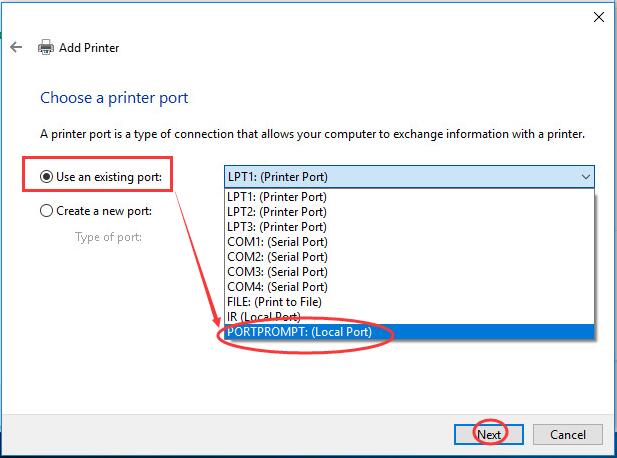
9) Select PORTPROMPT: (Local Port) from the drop-down list, then click Next.
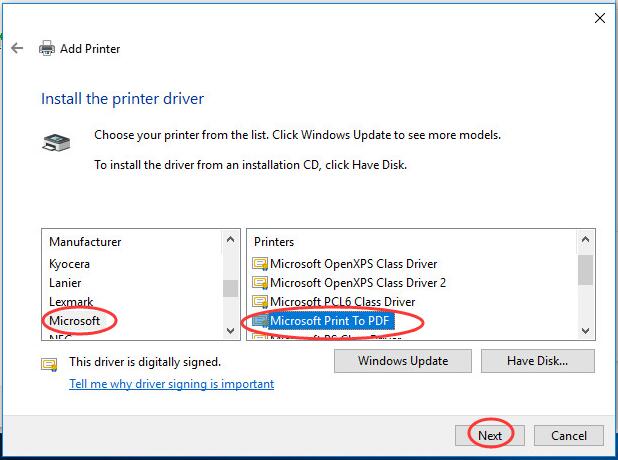
10) From the left column, select Microsoft. From the right column, select Microsoft Print to PDF. Then click Next.
11) Follow the on-screen instructions to finish the setup.
Windows 10
1) On your keyboard, press the Windows logo + R keys simultaneously to open the Run box. Type control panel and hit Enter.
2) Make sure you set Category as your view-by. Then find View devices and printers. Click on it.
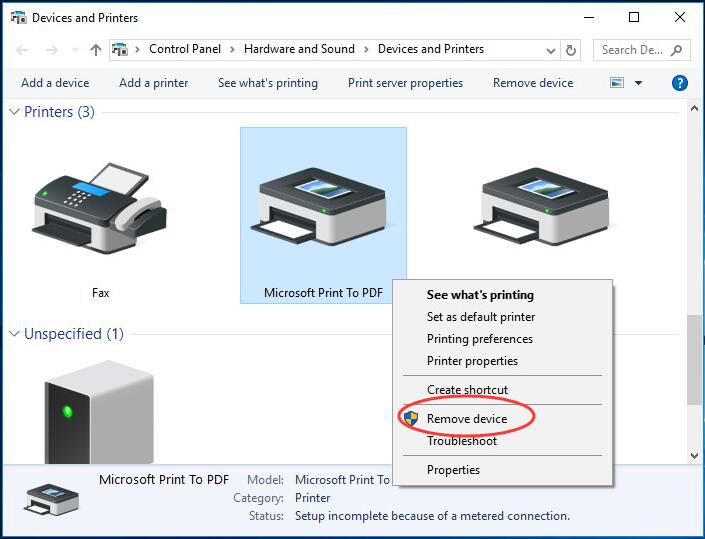
3) Find and right-click on Microsoft Print to PDF under the Printers dialog. Then click Remove device. Click Yes when asked to confirm.
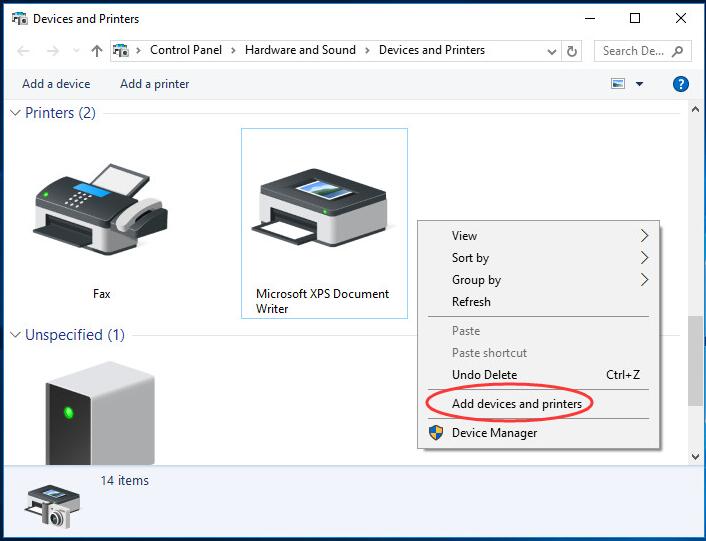
4) Right-click on the blank area in the Devices and Printers window to choose Add devices and printers.
5) Click The printer that I want isn’t listed.
6) Tick Add a local printer or network printer with manual settings. Then click Next.
7) Choose PORTPROMPT: (Local Port) from the drop-down list under Use an existing port. Then click Next.
8) Set Manufacturer to Microsoft and Printer to Microsoft Print to PDF. Click Next to go on.
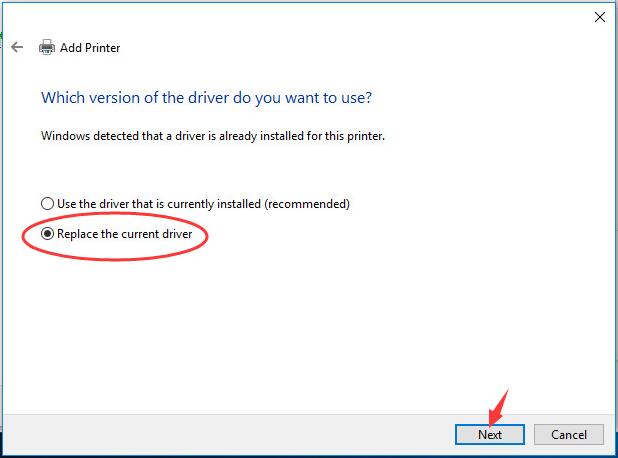
9) Tick Replace the current driver. Then click Next.
10) Click Next.
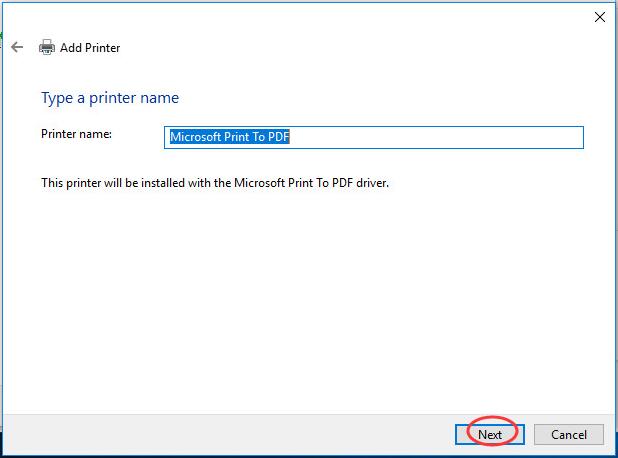
11) You have restored Microsoft Print to PDF. Click Finish to complete the process.
Restart your computer. Then open any document, trigger a print command, select Microsoft Print to PDF, and save a file to your desktop. The file should generate cleanly with an accurate file size.
That’s all there is to it. Hopefully the methods above helped you restore the Microsoft Print to PDF feature. Got questions or ran into a weird error code along the way? Leave a comment below with your Windows version, and we’ll gladly help you sort it out!