





Is Ctrl + Alt + Del not working on your Windows PC? If pressing the three keys does nothing, or the security screen appears, but Task Manager won’t open, you’re not alone.
Many Windows users are reporting the issue. But the good news is you can usually troubleshoot the problem without resetting Windows. In this guide, we’ve put together 6 simple and effective fixes.
What Does Ctrl + Alt + Del Do in Windows?
In Windows, pressing Ctrl + Alt + Del opens the Windows security screen, where you can lock your PC, switch users, sign out, change your password, or open Task Manager.
If the shortcut doesn’t work, first determine which part is failing:
- Nothing happens: The keyboard, a key-remapping utility, Windows, or another software component may be interfering.
- The security screen appears, but Task Manager won’t open: Task Manager may be disabled by a Windows policy or Registry setting. Jump to Fix 5.
- The shortcut works with another keyboard: Your original keyboard or its software is the likely cause.
Fixes for Ctrl + Alt + Del Not Working
You don’t have to try them all. Start with the quick checks and work your way down until Ctrl + Alt + Del works again.
- Check your keyboard and test the keys
- Restart Windows and disconnect unnecessary peripherals
- Update or reinstall your keyboard driver
- Repair Windows system files
- Enable Task Manager
- Perform a clean boot
Fix 1: Check your keyboard and test the keys
Before changing Windows settings, rule out a simple keyboard problem.
Try pressing Ctrl, Alt, and Delete separately in another application. For example, open a text editor and check whether the keys respond normally. If the Ctrl key itself isn’t working properly, see our guide on Ctrl Key Not Working.
Then try these checks:
- If you’re using a wired keyboard, unplug it and connect it to another USB port.
- If you’re using a wireless keyboard, reconnect the receiver or re-pair the keyboard.
- If possible, connect another keyboard to your PC.
- If you’re using a laptop, try an external USB keyboard.
- Test the keyboard on another computer if one is available.
If another keyboard works, the original keyboard, its connection, or its manufacturer’s software is likely causing the problem. If neither keyboard works, the problem is more likely related to Windows or installed software.
Fix 2: Restart Windows and disconnect unnecessary peripherals
A temporary Windows or hardware-state issue can sometimes interfere with keyboard input.
Save your work, disconnect unnecessary USB devices such as USB hubs, game controllers, and other input devices, and restart your PC.
After Windows starts again, press Ctrl + Alt + Del to test.
If the Windows security screen appears, the problem was likely temporary. If nothing happens, continue to the next fix.
Fix 3: Update or reinstall your keyboard driver
If your keyboard driver is outdated or corrupted, it may also trigger this issue. In this case, you should try to update your keyboard driver.
You can update the driver through Device Manager or check your keyboard manufacturer’s website for the latest driver. If you prefer an easier way to handle driver updates, Driver Easy is recommended.
Driver Easy will automatically recognize your system and find the correct drivers for it. You don’t need to know exactly what system your computer is running, you don’t need to risk downloading and installing the wrong driver, and you don’t need to worry about making a mistake when installing.
1) Download and install Driver Easy.
2) Run Driver Easy and click the Scan Now button. Driver Easy will then scan your computer and detect any problem drivers.

3) Click the Activate & Update button next to your keyboard to automatically download the correct driver for this device. You can also click the Update All button at the bottom right to automatically update all outdated or missing drivers on your computer.
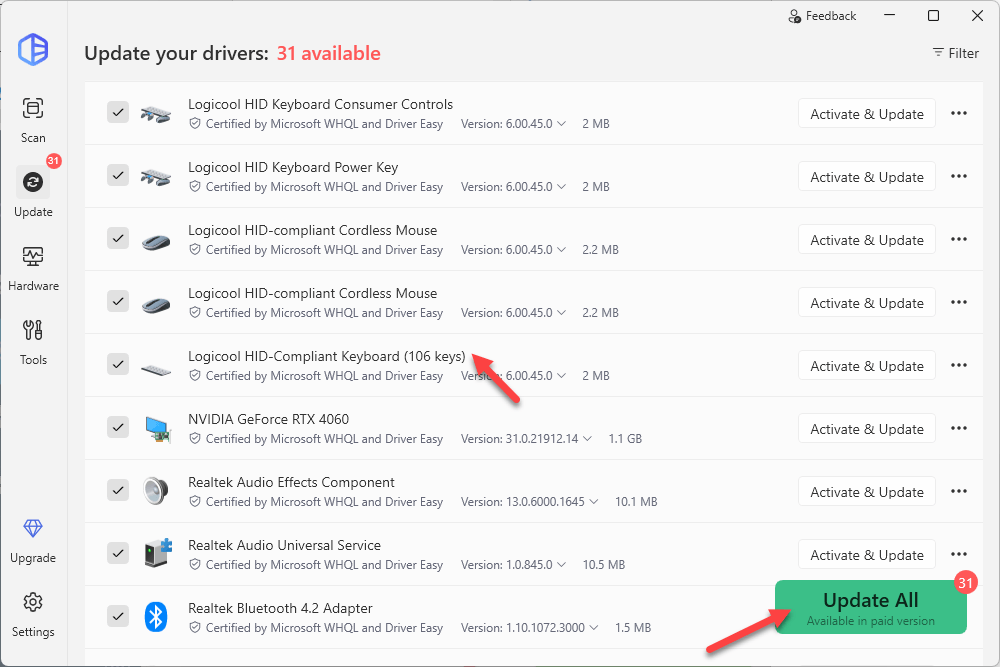
Upgrade to Driver Easy Pro for one-click driver updates, high-speed downloads, driver backup and rollback, and full technical support. If you’re not sure if it’s right for you, you can start a 7-day free trial to try all the Pro features.
4) Restart your PC and then check whether this issue exists or not. If this issue remains, please try the next fix.
Fix 4: Repair Windows system files
If Windows system files are corrupted, some built-in Windows functions may stop working correctly. Try running DISM and System File Checker (SFC) to repair corrupted Windows system files.
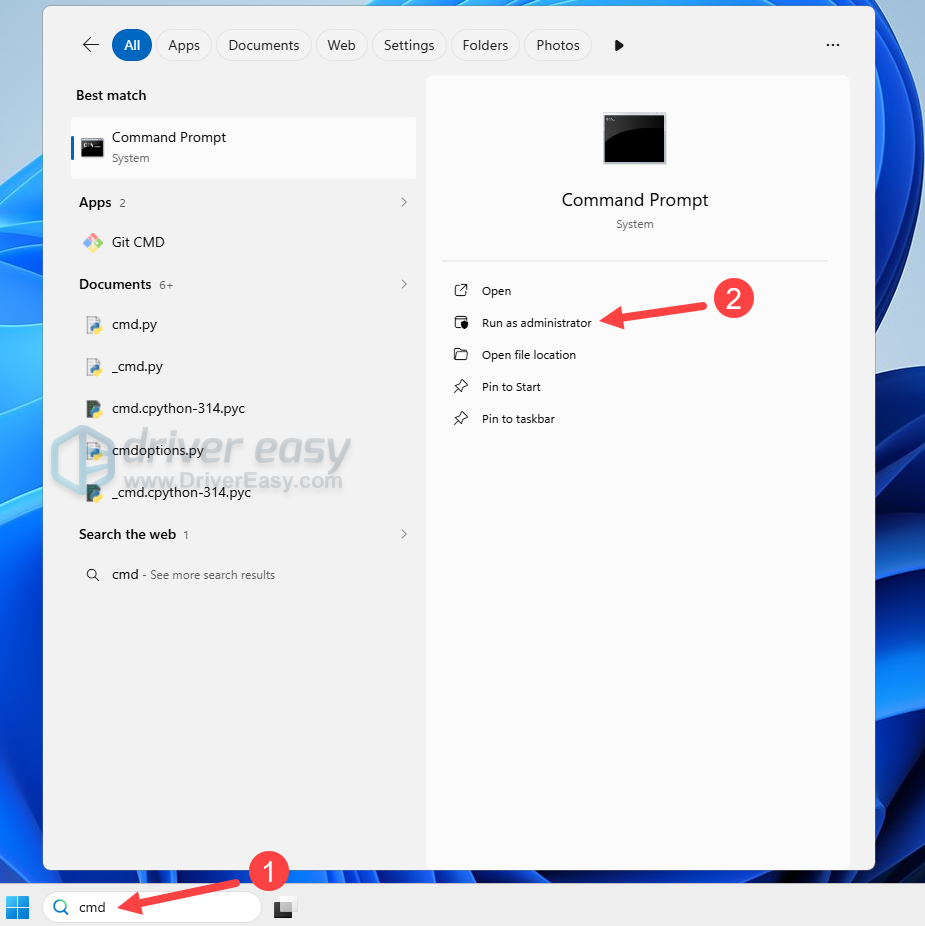
1) On your keyboard, press the Windows logo key and then type cmd in the search box. When you see the Command Prompt in the list of results, click it and then select Run as administrator. You will be prompted for permission. Click Yes to run the Command Prompt.
2) On your keyboard, type the commands below and press Enter.
DISM.exe /Online /Cleanup-image /Restorehealth

sfc /scannow

Fix 5: Enable Task Manager
If your main reason for using Ctrl + Alt + Del is to open Task Manager, try the dedicated shortcut Ctrl + Shift + Esc. You can also right-click the Start button and select Task Manager.
If Task Manager opens, Task Manager itself is working, and the problem may specifically involve the Ctrl + Alt + Del security screen or a keyboard/software conflict.
Otherwise, Task Manager may be disabled by a policy or Registry setting. Follow the steps below to fix it.
For Windows Home users
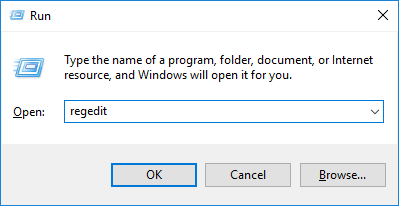
1) On your keyboard, press the Windows logo key and R at the same time to open the Run Dialog. Type regedit and then press Enter to open Registry Editor.
2) Click Yes if prompted by User Account Control.
3) In the left panel, go to HKEY_CURRENT_USER\Software\Microsoft\Windows\CurrentVersion\Policies\System.
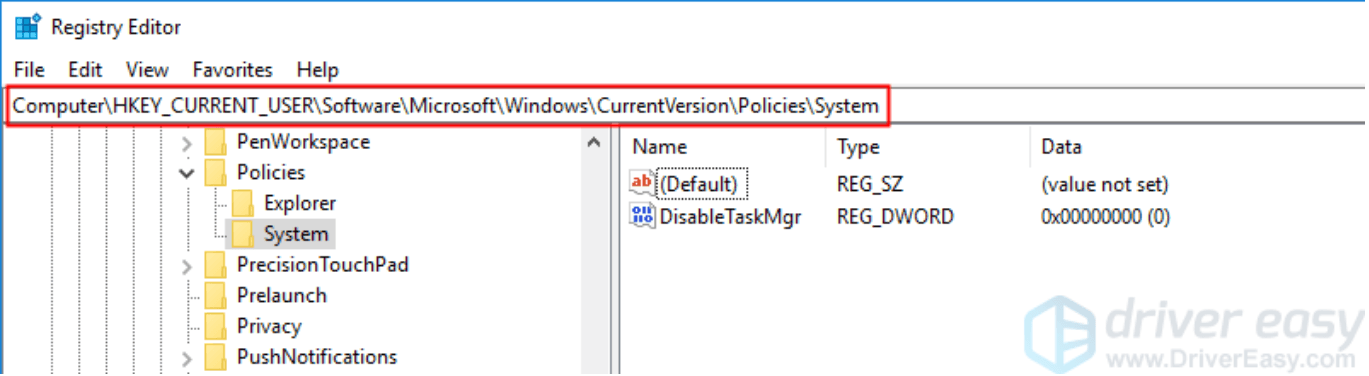
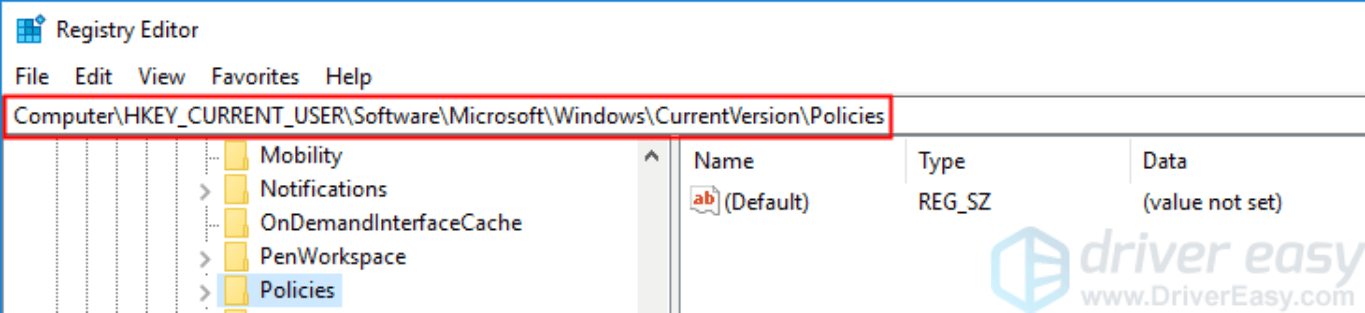
If this path doesn’t exist, then go to HKEY_CURRENT_USER\Software\Microsoft\Windows\CurrentVersion\Policies.
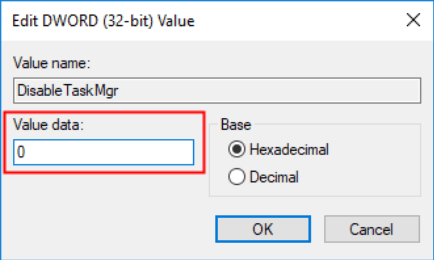
3) Look for a value named DisableTaskMgr and double-click it to open the Value data.
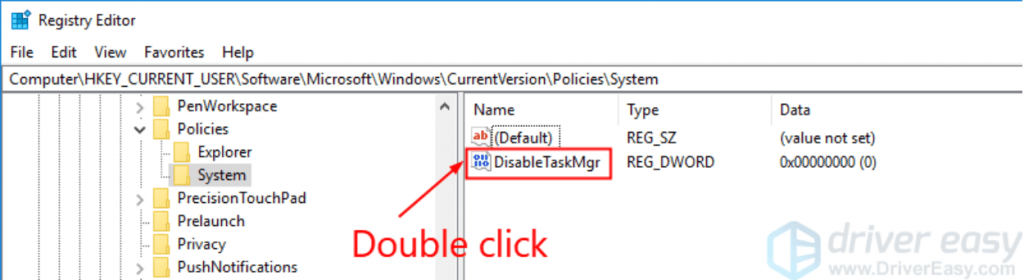
4) If the value is set to 1, change it to 0. 0 means Task Manager is allowed, while 1 means Task Manager is disabled. Then click OK and restart your PC.
If this method doesn’t do the trick, check out the last fix.
For Windows Pro, Enterprise, or Education users
1) Press Windows + R to open the Run dialog.
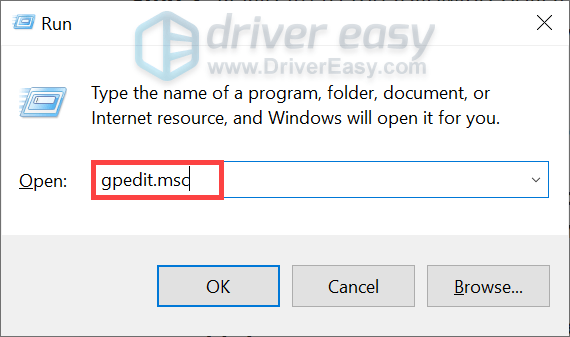
2) Type gpedit.msc and press Enter.
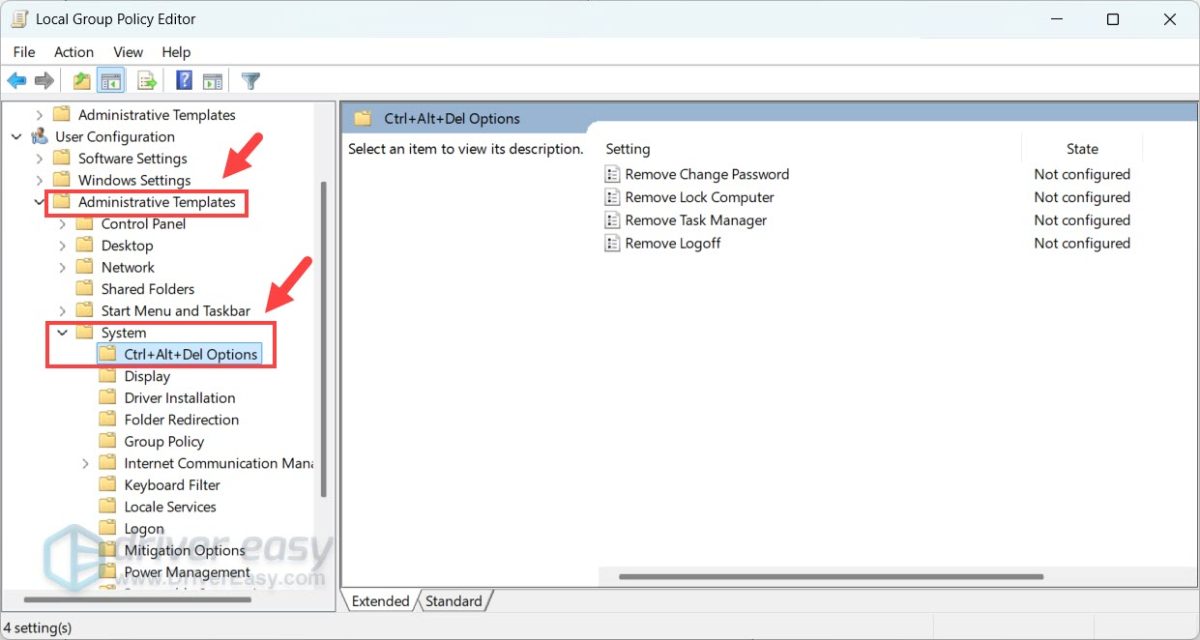
3) In the left pane, navigate to User Configuration > Administrative Templates > System > Ctrl+Alt+Del Options.
4) In the right pane, check if Remove Task Manager is set to Not configured or Disabled.
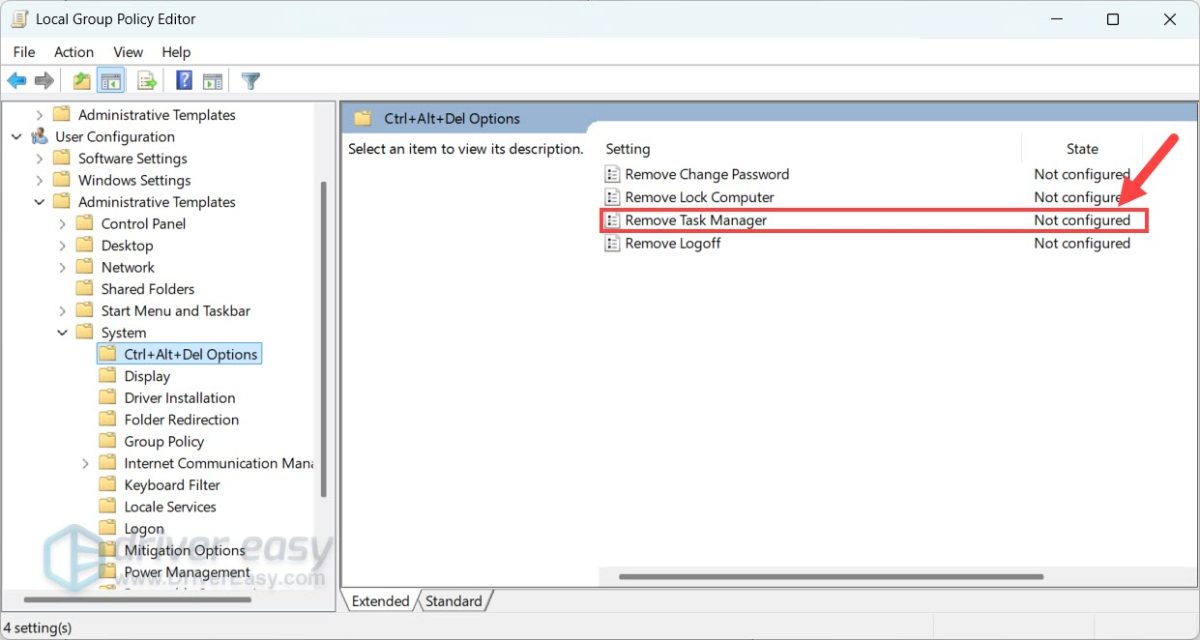
If not, double-click it and set it to Not Configured or Disabled. Then click OK.
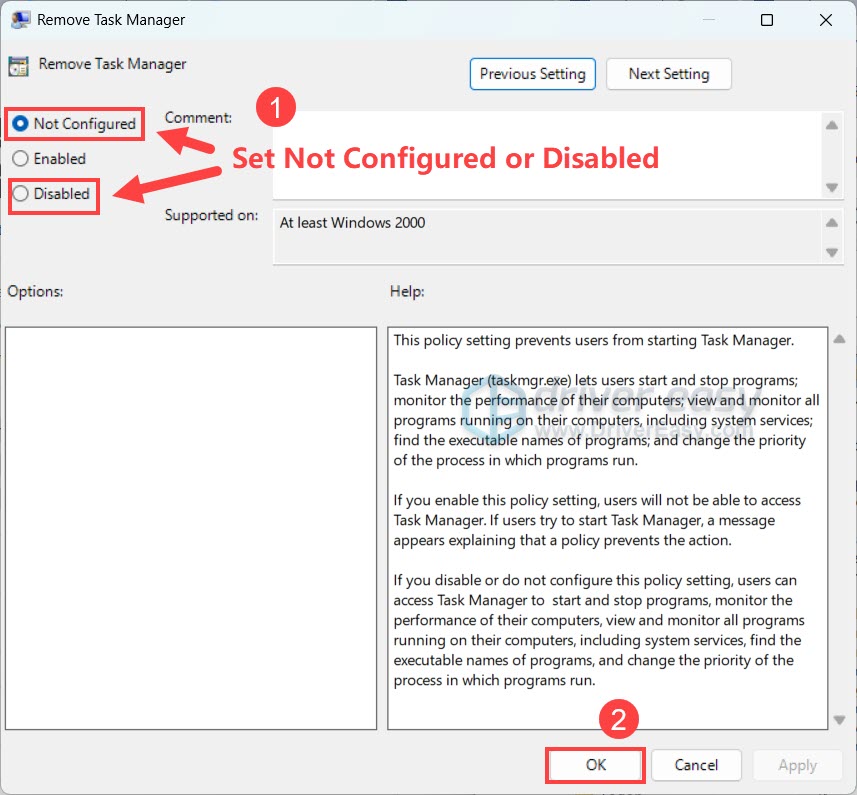
Restart your PC and test Ctrl + Alt + Del again.
Fix 6: Perform a clean boot
If Ctrl + Alt + Del works normally after a clean boot, a third-party service or startup application may be interfering with Windows. Microsoft’s clean-boot procedure starts Windows with essential drivers and startup programs so you can isolate software conflicts.
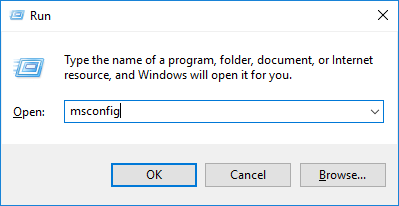
1) On your keyboard, press the Windows logo key and R at the same time to open the Run Dialog. Type msconfig and press Enter to open the System Configuration window.
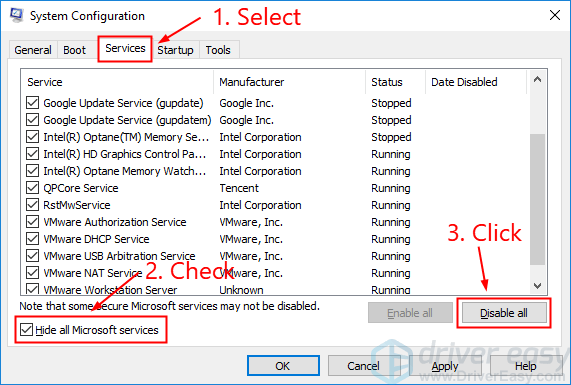
2) Select the Services tab, check Hide all Microsoft services and then click Disable all.
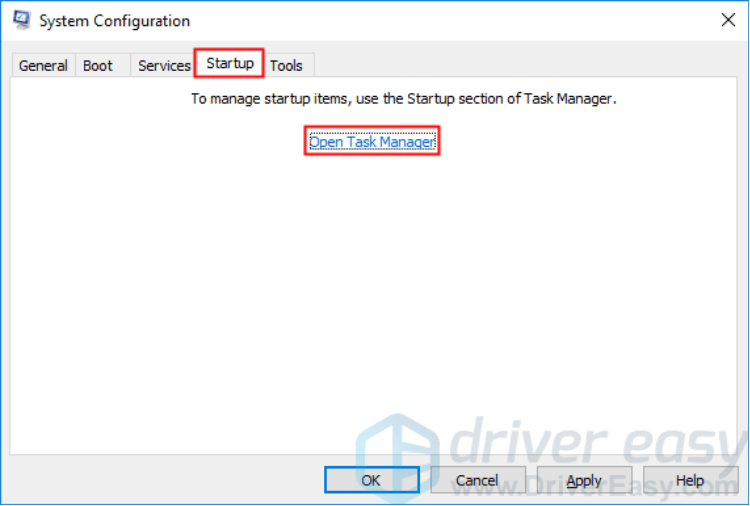
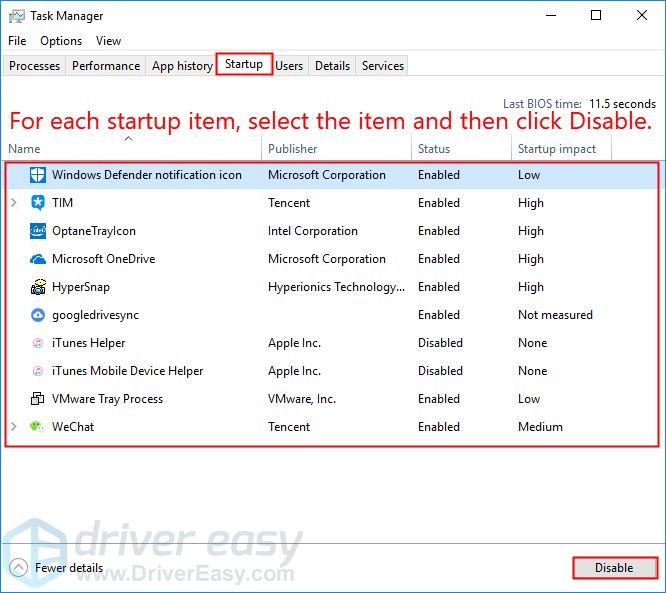
3) Select the Startup tab and click Open Task Manager.
4) On the Startup tab in Task Manager, for each startup item, select the item and then click Disabled.
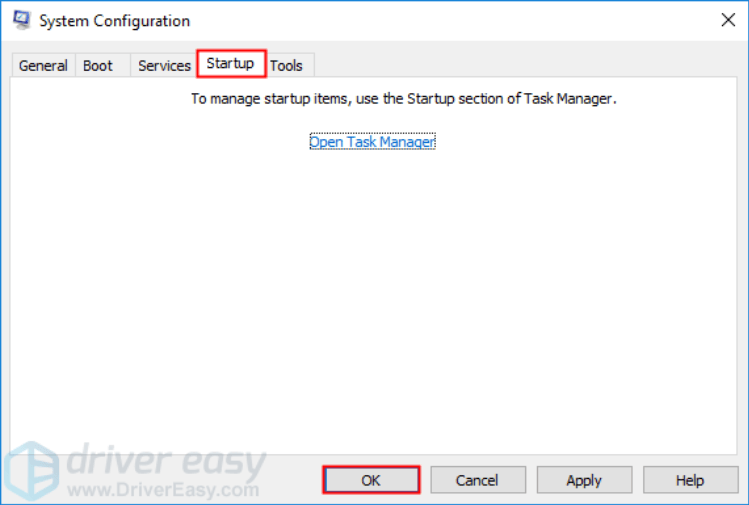
5) Go back to the System Configuration window and click OK.
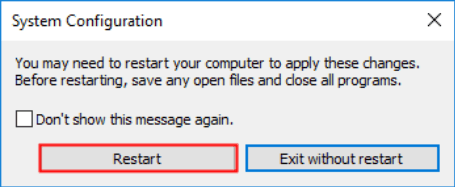
6) Click Restart to restart your PC.
Press the Ctrl + Alt + Del sequence to check whether the problem reappears when your PC restarts.
If the shortcut works after a clean boot, a third-party service or startup application is likely interfering with the shortcut. You can identify the culprit by gradually re-enabling services and startup applications and restarting Windows after each test.
Once you identify the problematic program, update it, disable it, or uninstall it if necessary.
Hopefully, one of the fixes above helped you get Ctrl + Alt + Del working again. In most cases, the problem is related to the keyboard, a driver, a software conflict, or a Windows setting. If you have any questions or suggestions, please feel free to leave a comment below.