



If your Task Manager shows Desktop Window Manager (dwm.exe) constantly spiking your GPU usage up to 30%, 50%, or even a staggering 100%, you are not alone. It can be incredibly frustrating when your PC starts stuttering, lagging, or running hotter than usual while you’re doing something as simple as moving your mouse, dragging a browser window, or watching a YouTube video.
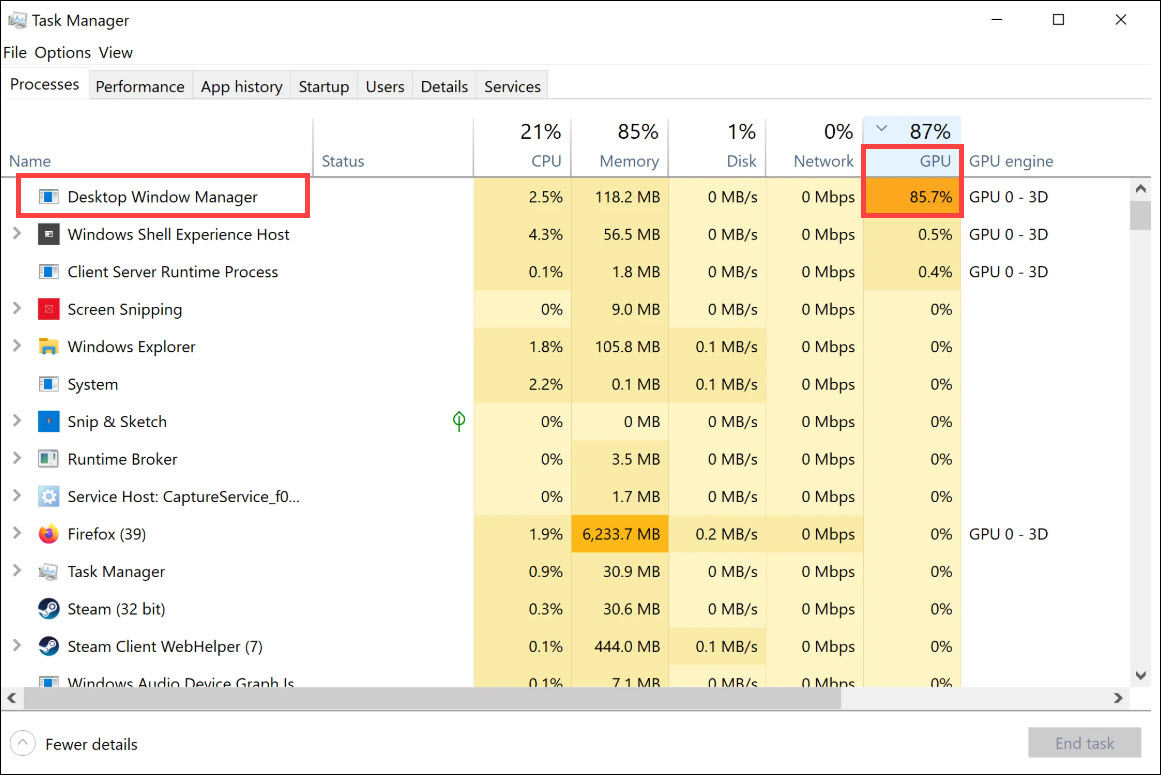
You may worry thinking: What is dwm.exe? Is it a virus? Or is my high-end graphics card failing? Actually, Desktop Window Manager is a Windows component, but it is notorious for catching software glitches that cause it to misbehave.
In this guide, we’ll explain why Desktop Window Manager high GPU usage is using so much GPU power and walk you through the most effective ways to fix it in Windows 10 and Windows 11.
What is Desktop Window Manager and why is it using your GPU?
Desktop Window Manager (dwm.exe) is a legitimate and essential Windows system process that handles everything you see on your screen, including desktop visual effects, transparency, taskbar previews, animations, and window rendering. DWM uses your graphics card to render these visual elements smoothly and efficiently.
Under normal conditions, Desktop Window Manager typically uses between 1% and 5% of your GPU resources while the system is idle. And brief spikes are normal when you’re opening apps or watching videos. However, if it locks up at 100% usage, it usually points to a software conflict or a driver bug.
Desktop Window Manager itself is not a virus. However, some malware and cryptojacking programs disguise themselves as dwm.exe to gain access to system resources and secretly consume GPU power in the background.
Before moving on to troubleshooting, you should confirm that the process is genuine.
- Press Ctrl + Shift + Esc on your keyboard to open the Windows Task Manager.
- Enter dwm into the search bar at the top, right-click Desktop Window Manager, and select Open file location.
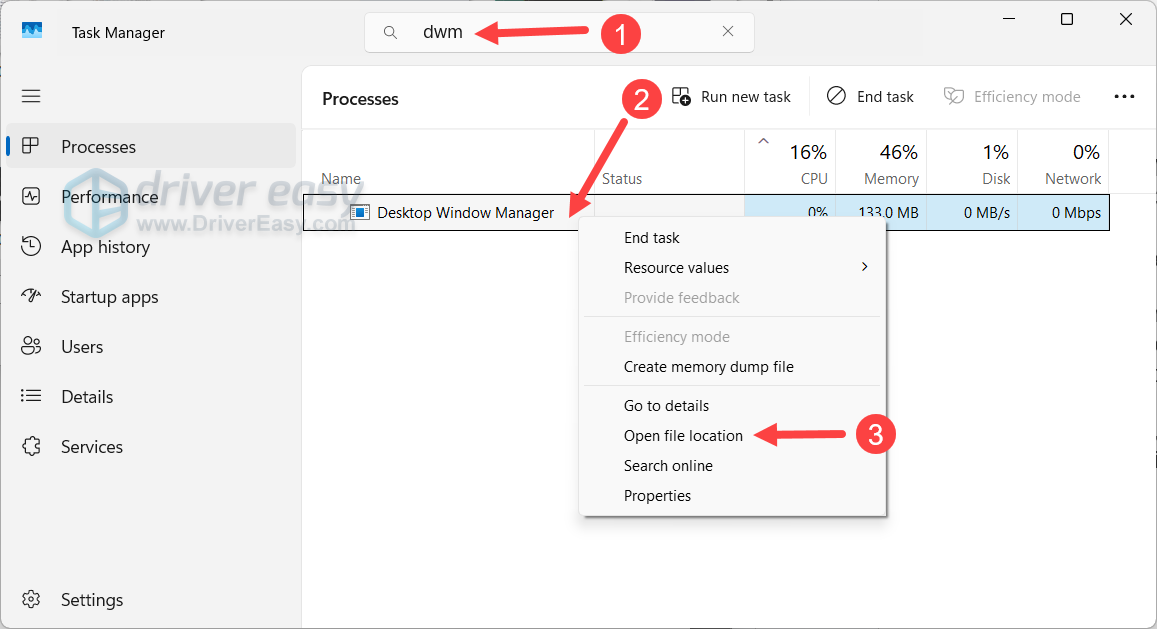
Check the address bar of the File Explorer window. If the file is located in C:\Windows\System32, it’s 100% safe and genuine. If it opens any other folder (like AppData or a temporary directory), it is highly likely a malicious file masking as a system process. Jump straight to Fix 5 to remove the malware.
5 effective fixes for dwm.exe high GPU usage
If your dwm.exe is genuine but still chewing through your GPU resources during basic desktop navigation, here are 5 easy & quick solutions. You don’t have to try them all; just work your way down the list until you find the one that works for you.
- Update or reinstall your graphics driver
- Turn off Hardware-Accelerated GPU Scheduling
- Turn off Windows transparency effects
- Update the Windows system
- Run a full malware scan
Fix 1 – Update or reinstall your graphics drivers
Graphics drivers act as the bridge between Windows and your graphics card. Desktop Window Manager relies heavily on this communication layer to render the Windows desktop correctly.
If a graphics driver becomes corrupted, outdated, or incompatible with a recent Windows update, DWM may repeatedly redraw visual elements and consume far more GPU resources than normal. In many cases, updating or reinstalling the graphics driver is enough to resolve the issue.
To fix this, you can update or clean install your graphics driver using Driver Easy. Driver Easy does all the heavy lifting to keep your PC drivers safely up to date, scanning your system, finding the certified OEM drivers for your GPU, and updating them with a single click.
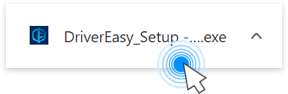
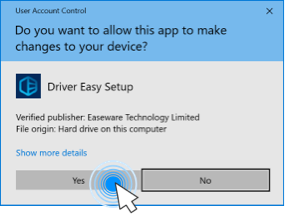
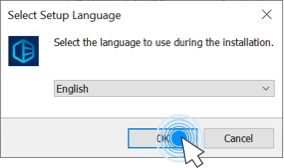
- Download and install Driver Easy.
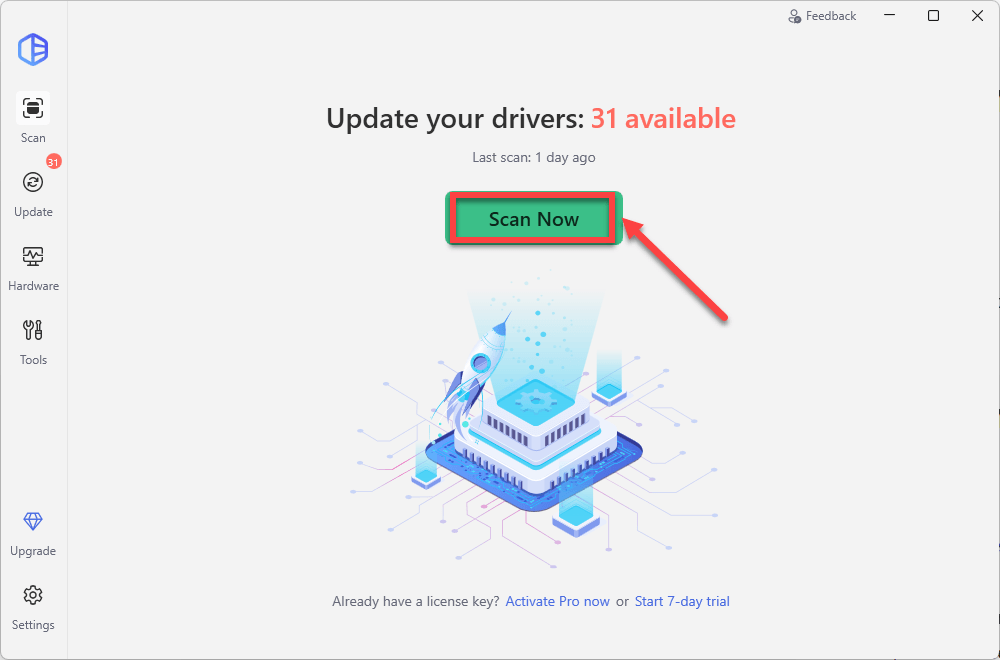
- Run Driver Easy and click the Scan Now button. Driver Easy will then scan your computer and detect any problem drivers.
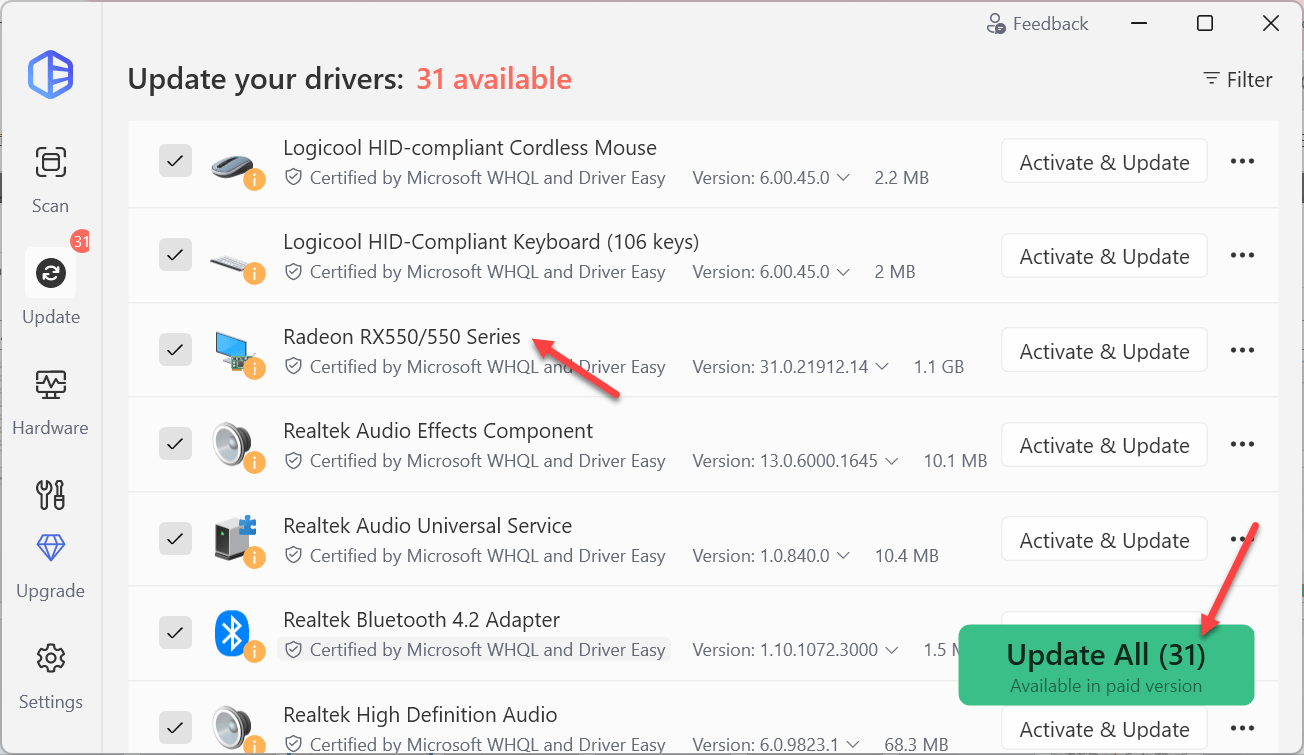
- Click the Update button next to the flagged device to automatically download the correct version of that driver. Or click Update All to automatically download and install the correct version of all the drivers that are missing or out of date on your system.
If you prefer to perform the process manually, this guide introduces how to clean reinstall the GPU driver.
If you recently updated your graphics driver and the problem started afterward, consider rolling back to a previous stable version. Occasionally, a new driver release can introduce compatibility issues that affect the Desktop Window Manager.
Fix 2 – Turn off Hardware-accelerated GPU Scheduling
Hardware-Accelerated GPU Scheduling is designed to reduce latency and improve performance. While it works well for many users, certain Windows builds and graphics drivers can conflict with this feature, causing Desktop Window Manager to consume unusually high GPU resources. Disabling HAGS may immediately reduce dwm.exe GPU usage and eliminate desktop stuttering.
- On your keyboard, press Win+ I (the Windows logo key and the i key) to open the Windows Settings.
- Click System > Display.
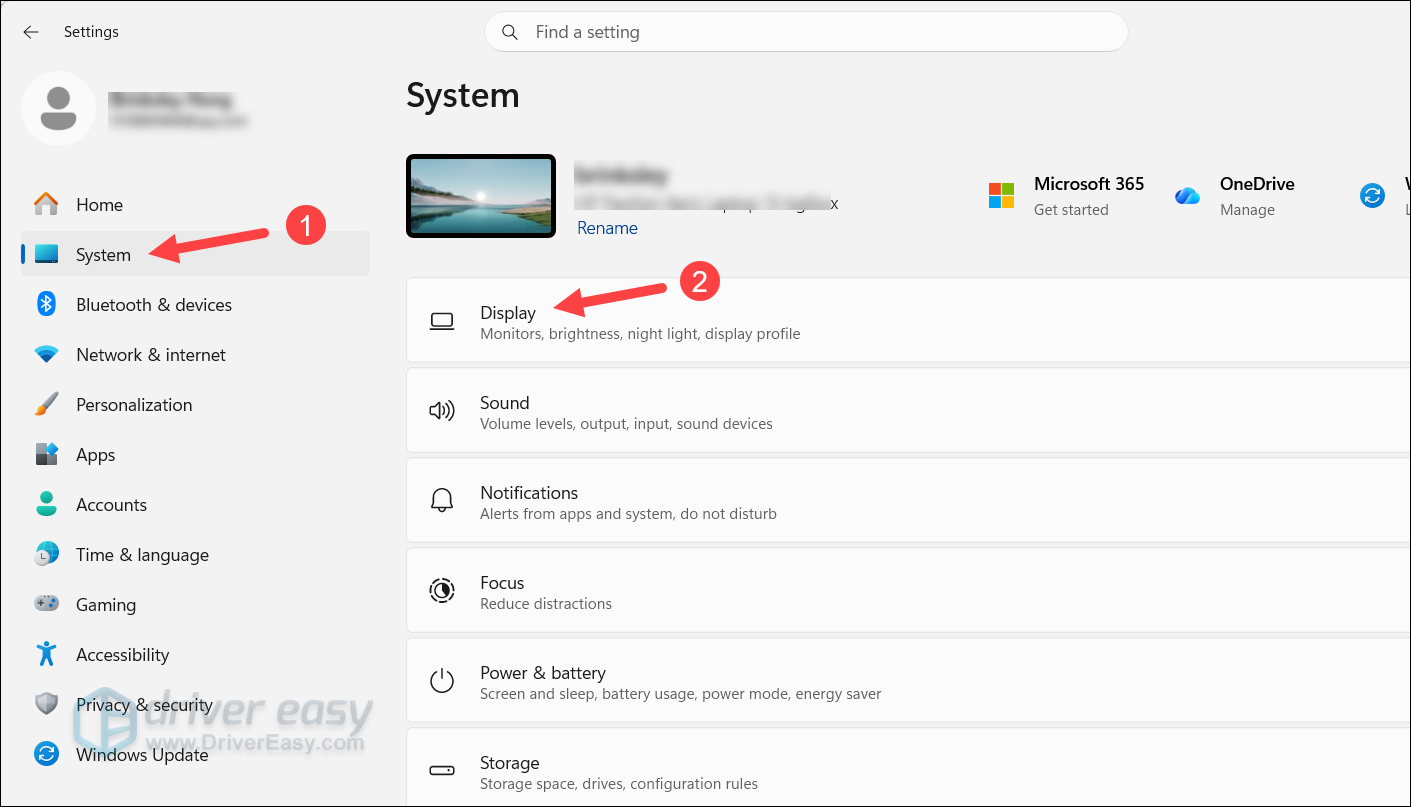
- Scroll down to find the Graphics tab.
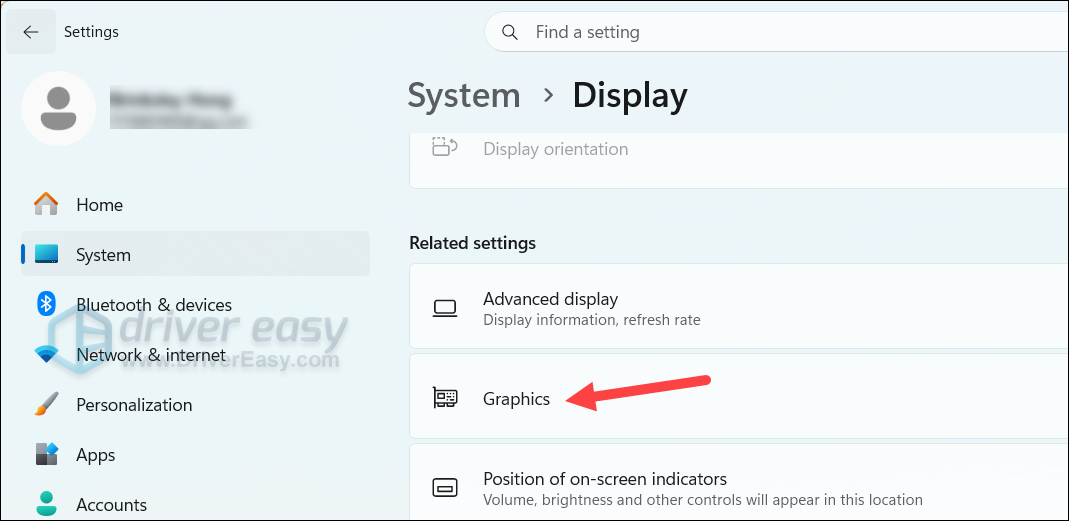
- Click Change default graphics settings. Disable Hardware-accelerated GPU Scheduling.
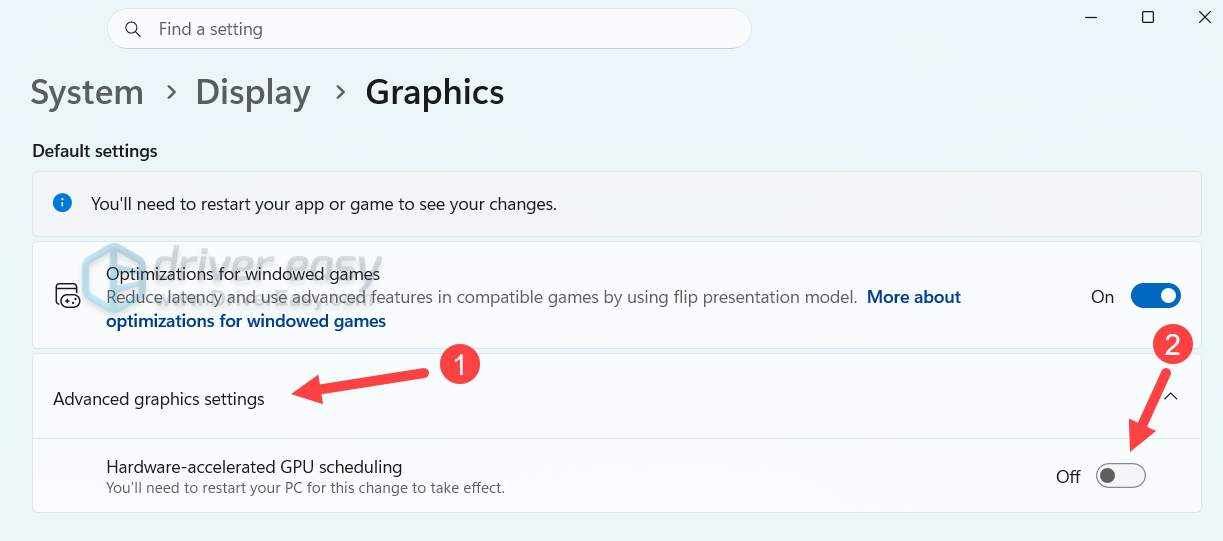
Restart your PC for changes to take effect. If disabling HAGS doesn’t help or negatively impacts gaming performance, you can always re-enable it later.
Fix 3 – Turn off Windows transparency effects
Transparency effects look nice, but they also require the Desktop Window Manager to continuously render additional visual layers and animations. Disabling heavy transparency animations may instantly reduce the rendering burden off the dwm.exe.
- Press the Windows key and I at the same time to open Windows Settings.
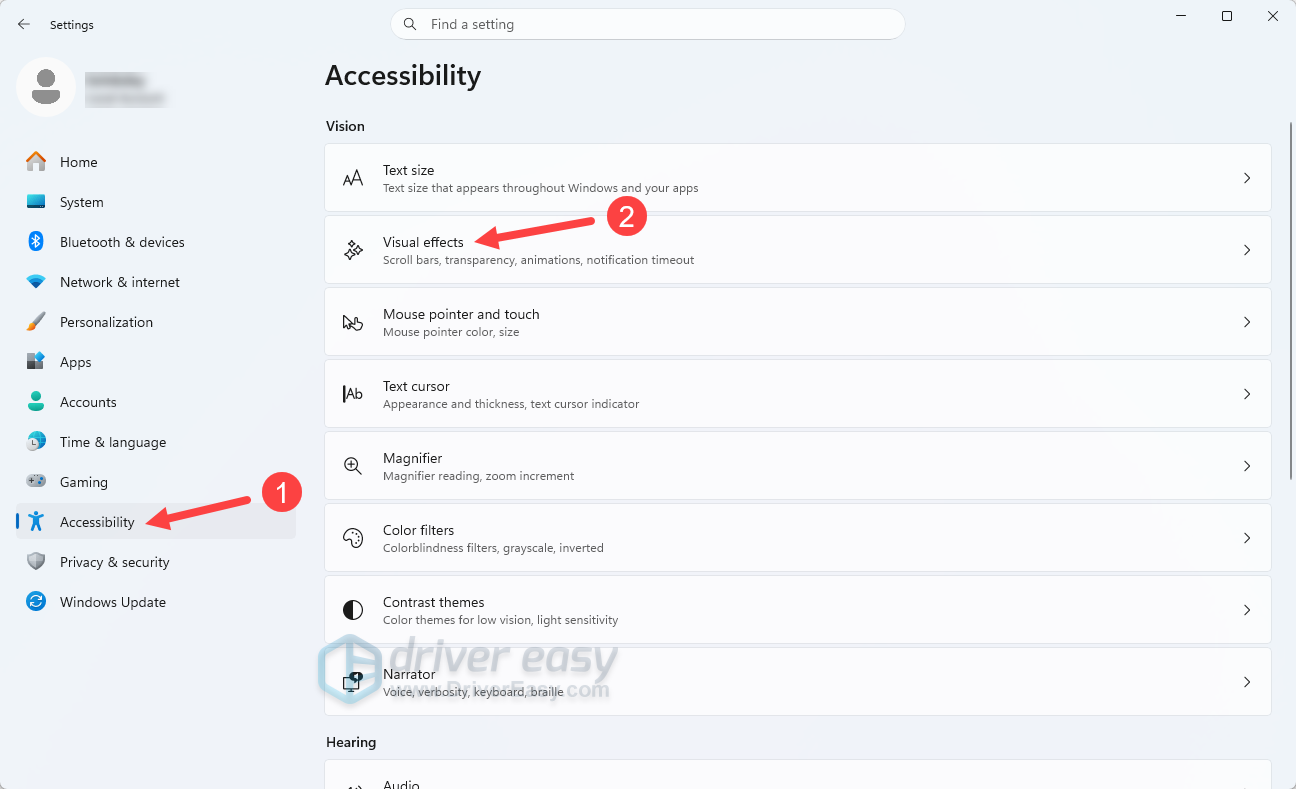
- Go to Accessibility on the left sidebar, then click on Visual effects.
- Locate Transparency effects and turn the toggle to Off.
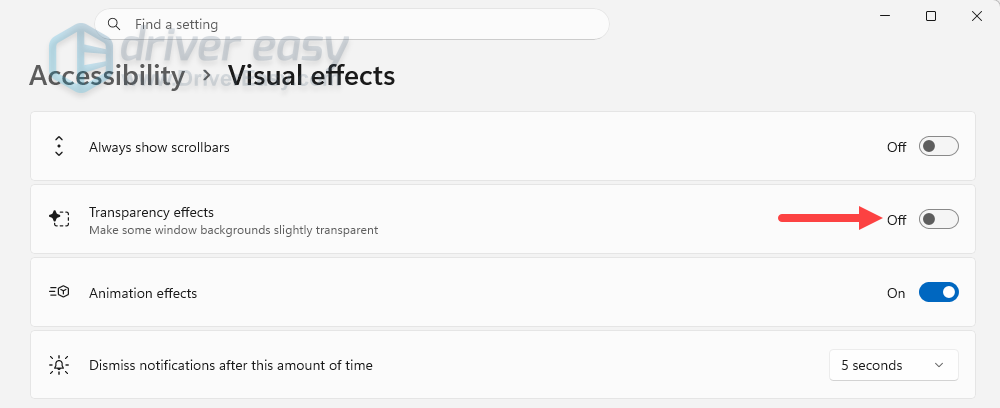
After making the change, open Task Manager and monitor whether DWM GPU usage drops.
Fix 4 – Update the Windows system
Microsoft regularly releases cumulative updates that address graphics-related bugs, memory leaks, hardware acceleration conflicts, and display issues affecting system processes like Desktop Window Manager (dwm.exe). If you’re running an outdated version of Windows, installing the latest updates may resolve the problem automatically.
- On your keyboard, press the Windows logo to invoke the Search menu, type check for updates, and select it from the list of results.
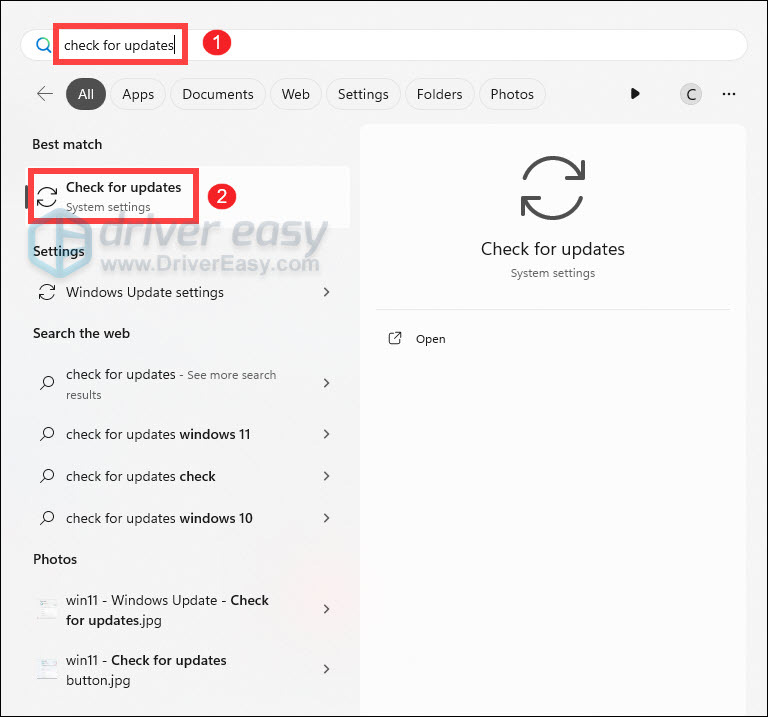
- Click Check for updates. Windows will then download and install the available patches. It might take some time (up to 30 mins).
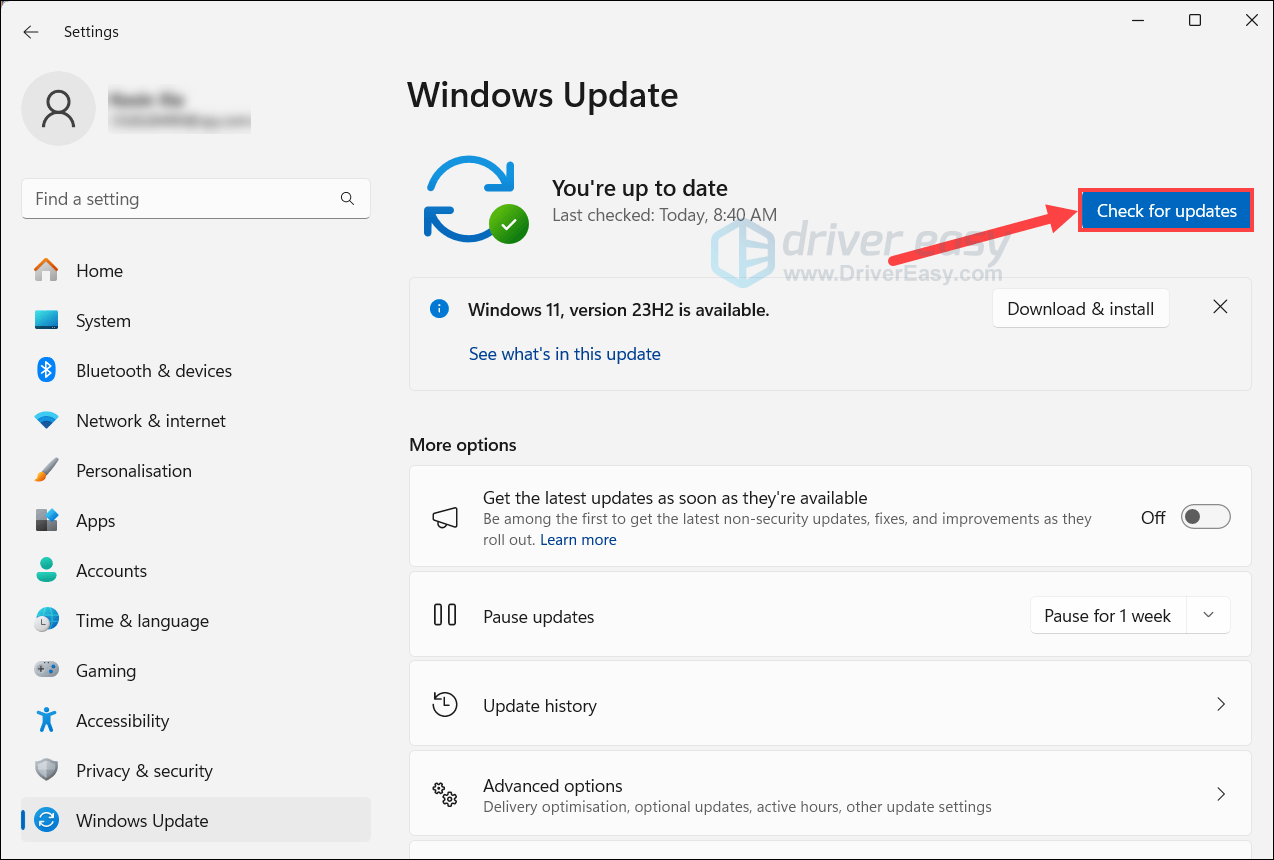
After updating, monitor Task Manager again to see whether Desktop Window Manager GPU usage has returned to normal.
Fix 5 – Run a full malware scan
If you have applied all the fixes above but the Desktop Window Manager process is still running at a high GPU usage, or if you found that the dwm.exe was running from an improper directory, you should perform a thorough, deep-system analysis.
Follow the steps below to run a Windows built-in malware scan. Or you can use a trusted tool to decimate the hidden, high-performance malware strains.
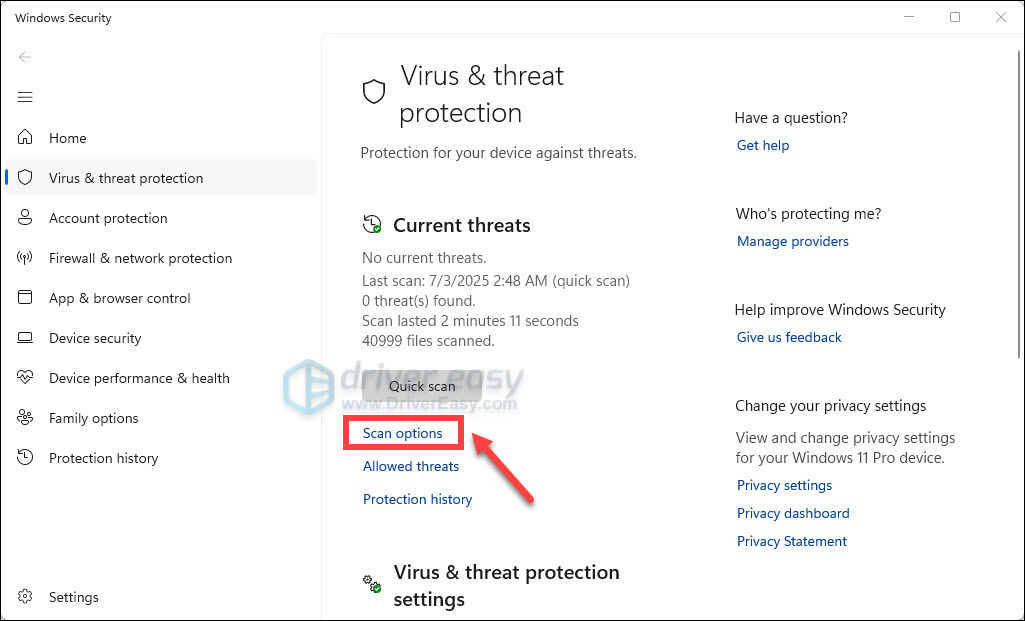
- On your keyboard, press the Windows logo key + R simultaneously to open the Run box. Type or paste windowsdefender://threat/ and hit Enter.
- Click Scan options.
- Tick the option Full scan, then click on the Scan now button.
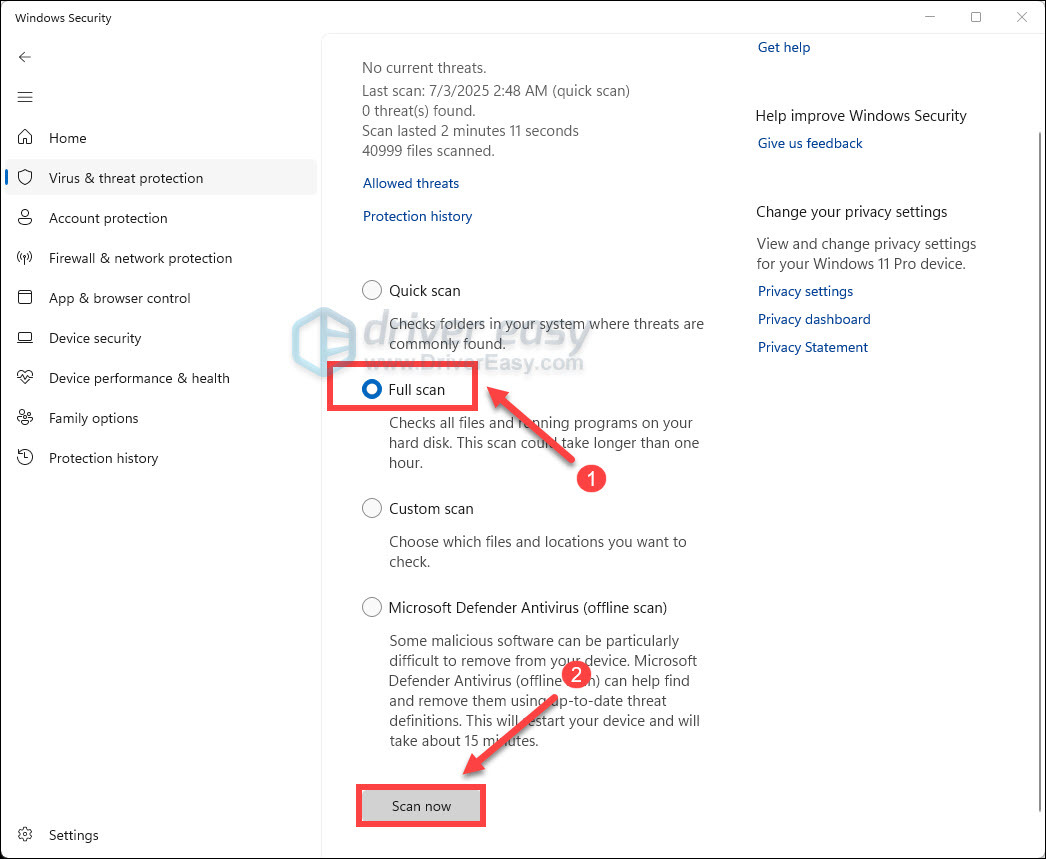
The scan may take anywhere from 15 minutes to over an hour, depending on the size of your storage drive. If Windows Security detects any threats, follow the recommended actions and restart your PC after the cleanup is complete.
Desktop Window Manager shouldn’t normally consume a large amount of GPU resources. If it does, the culprit is usually a buggy driver, a Windows setting, or a background process rather than faulty hardware.
Try the fixes above, and in most cases, you should be able to bring Desktop Windows Manager GPU usage back to normal, and your PC should feel responsive again.