


Windows Update doesn’t just install security patches; it also automatically downloads and installs hardware drivers for your graphics card, Wi-Fi adapter, Bluetooth, audio, printer, and other devices.
While this feature is helpful for most users, it isn’t always reliable. Windows may replace a perfectly stable driver with a newer version that causes crashes, blue screens, missing features, or reduced performance. This is particularly common after major Windows feature updates or when using gaming GPUs from NVIDIA, AMD, or Intel.
If Windows keeps installing the wrong driver, this guide shows you four proven ways to stop automatic driver updates on Windows 11 and 10.
Try these methods:
Here are 3 methods for you to disable auto driver updates on the Windows computer.
1. Change Device Installation Settings
2. Use Local Group Policy Editor to Disable Driver Update
3. Use Registry Editor to Disable Driver Update
How to Update Drivers Manually
Method 1: Change Device Installation Settings
This is the easiest method and works on both Windows 11 and Windows 10.
🔔 This setting reduces automatic driver installation, but Windows Update may still deliver certain critical drivers in some situations.
- Press the Windows logo key + R on your keyboard to open the Run command box. Type in sysdm.cpl and press Enter.
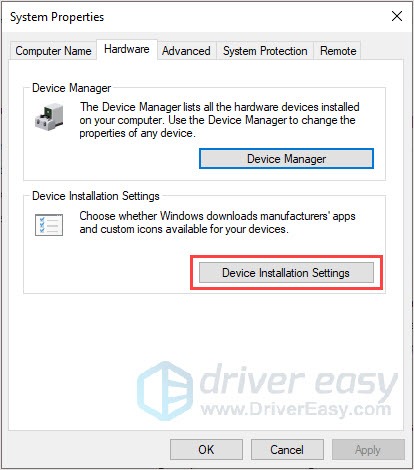
- Choose the Hardware tab and click Device Installation Settings.
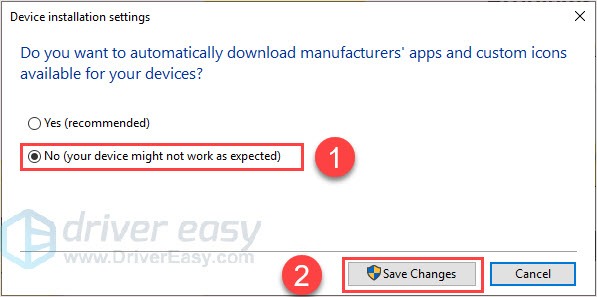
- Click No (your device might not work as expected). Then click Save Changes.
Method 2: Use Group Policy Editor to Disable Driver Updates
This method is applicable for Windows 11/10 Pro, Enterprise, and Education. If you’re using Windows Home, skip to Method 3, below.
- Press the Windows logo key + R together to open the Run box.
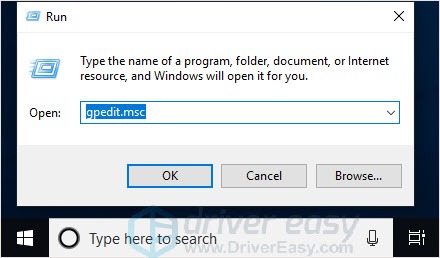
- Type gpedit.msc and press Enter.
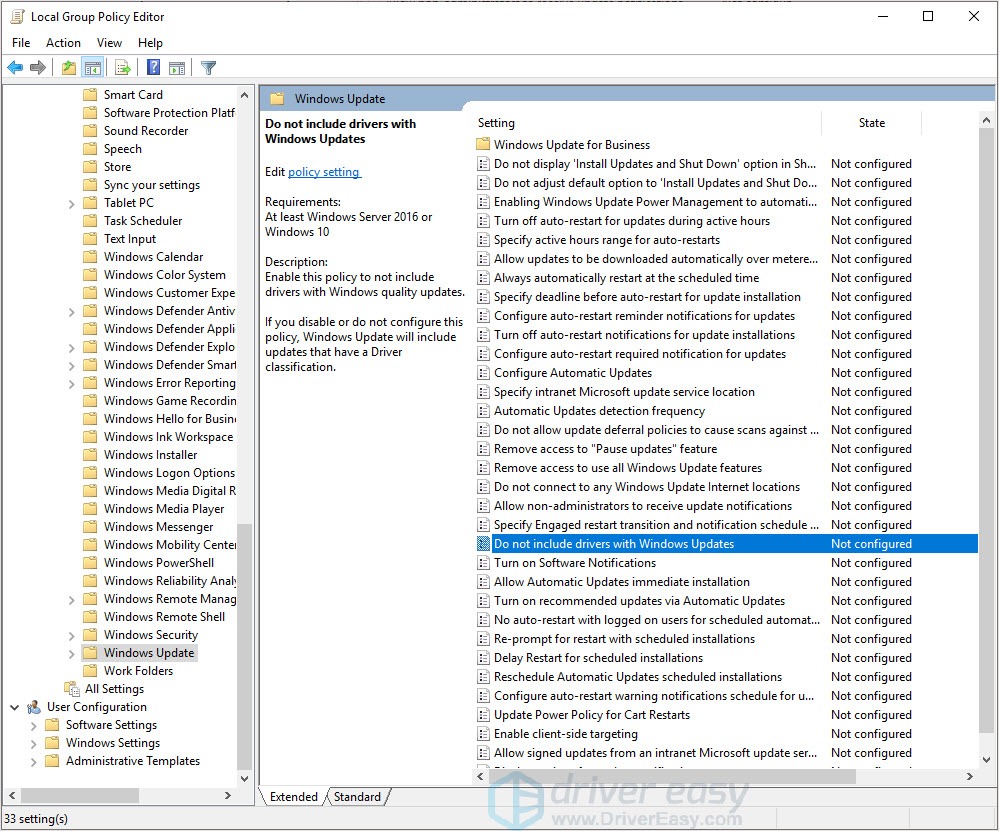
- In the left path, navigate to Computer Configuration > Administrative Templates > Windows Components > Windows Update > Manage updates offered from Windows Update.
- Double-click Do not include drivers with Windows Updates in the right pane.
- Click Enabled and click OK.
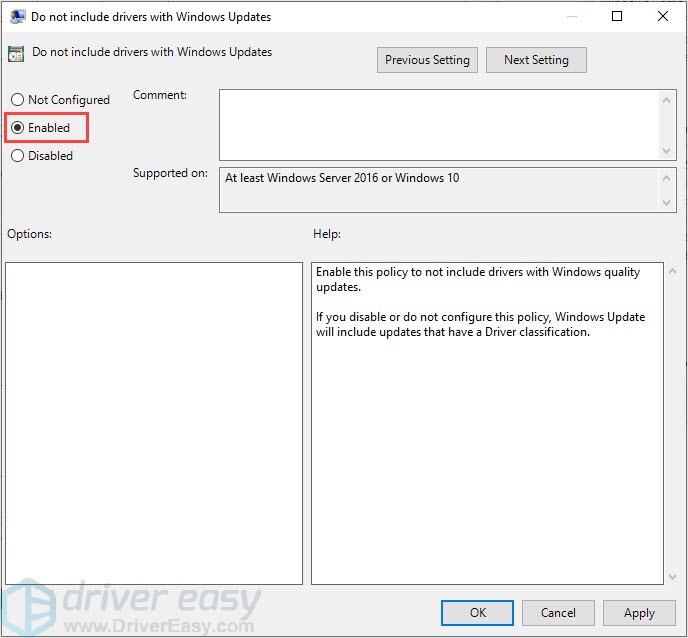
- Restart your PC to activate this effect.
Method 3: Use Registry Editor to Disable Driver Updates
If you’re using Windows Home, the Registry Editor provides the same policy setting as Method 2.
- Press the Windows logo key + R together to open the Run box.
- Type regedit and press Enter.
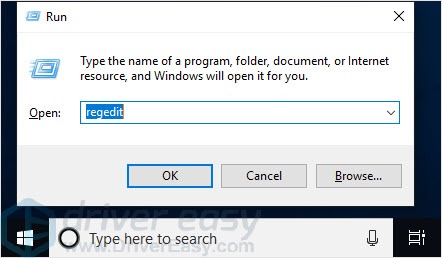
- In the left pane, navigate to HKEY_LOCAL_MACHINE\SOFTWARE\Policies\Microsoft\Windows. Or you can paste HKEY_LOCAL_MACHINE\SOFTWARE\Policies\Microsoft\Windows into the address bar at the top to directly reach the key destination.
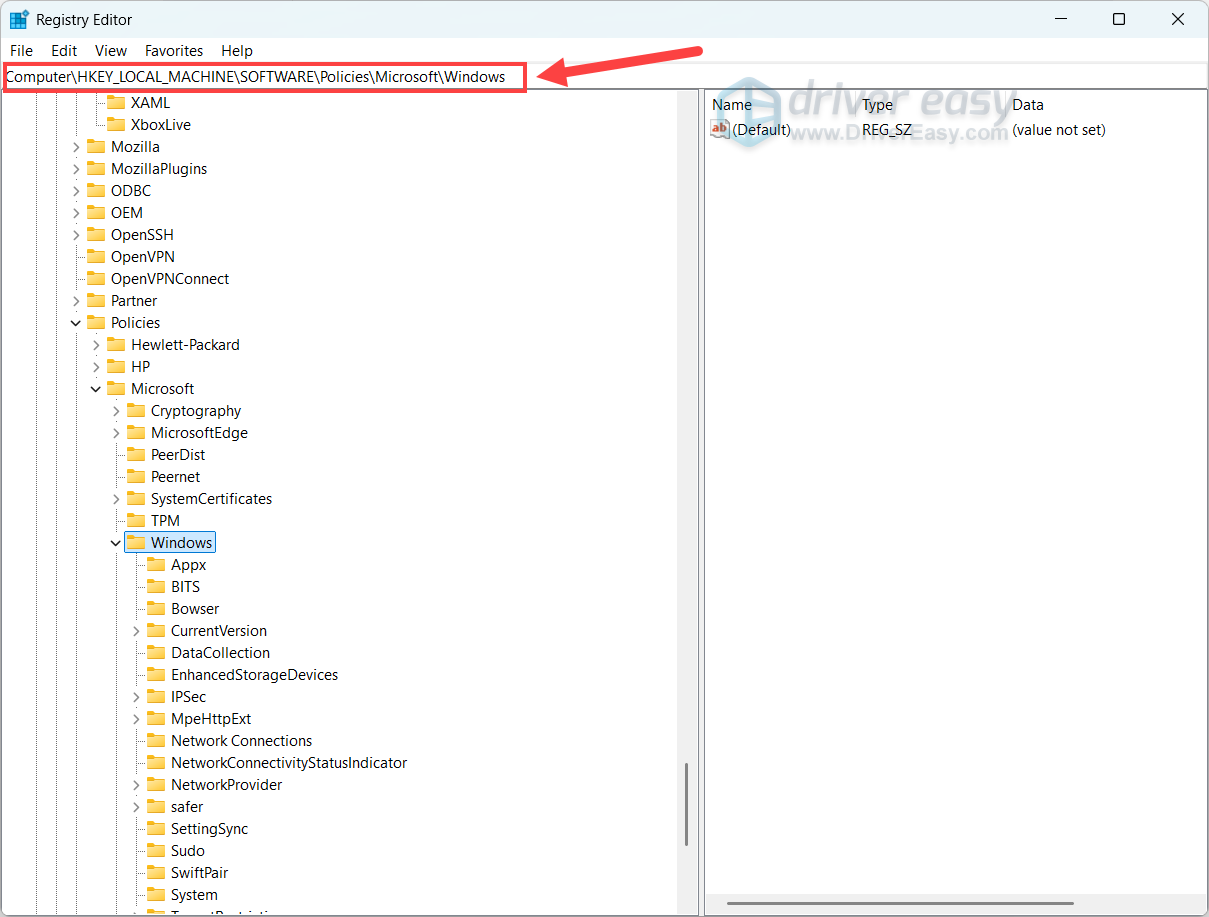
- Right-click on the Windows folder, choose New > Key, and name it WindowsUpdate.
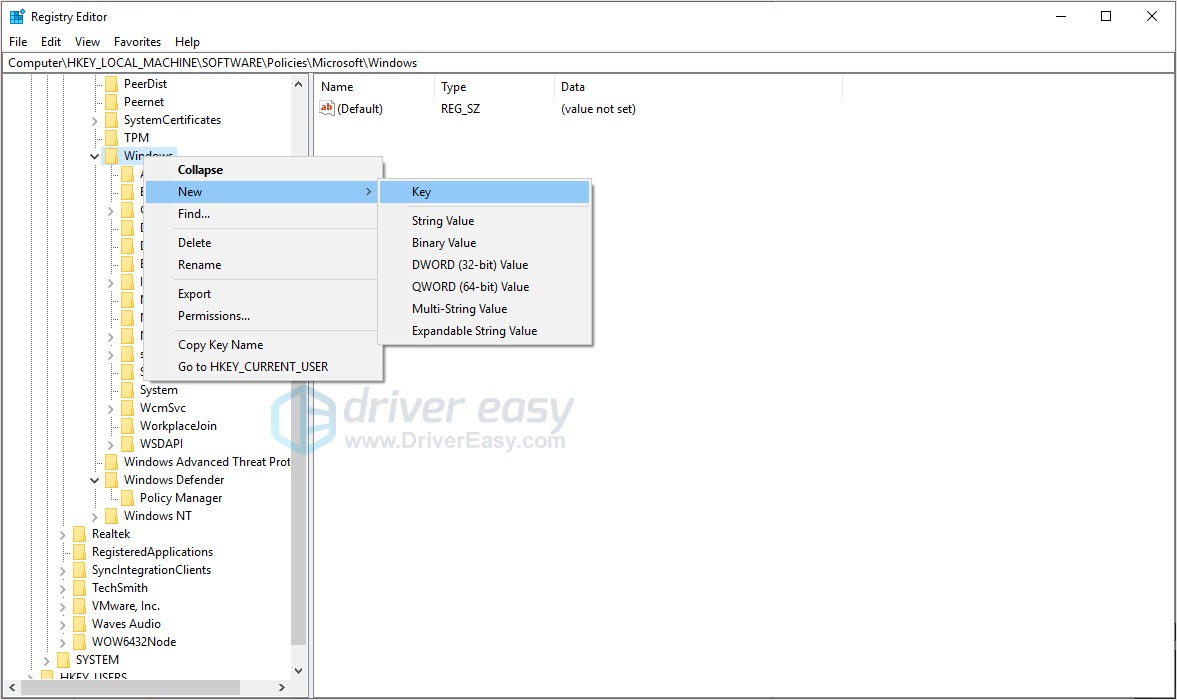
- Right-click in the WindowsUpdate folder and choose New > DWORD (32-bit value).
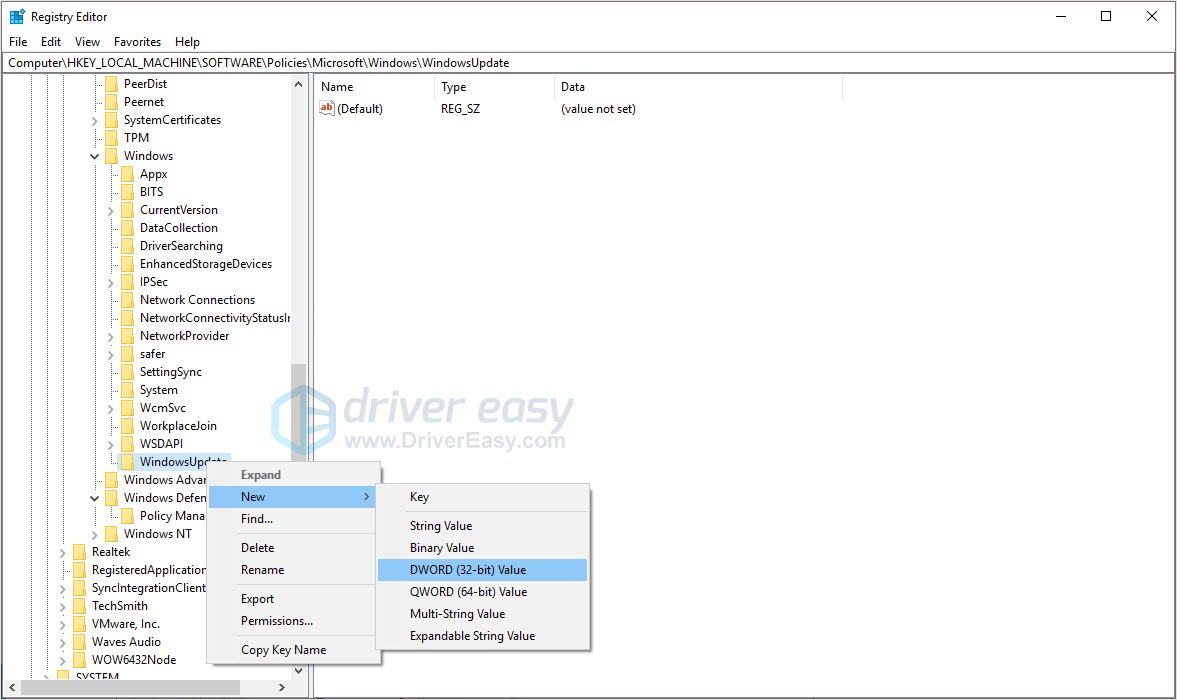
- Name it ExcludeWUDriversInQualityUpdate.
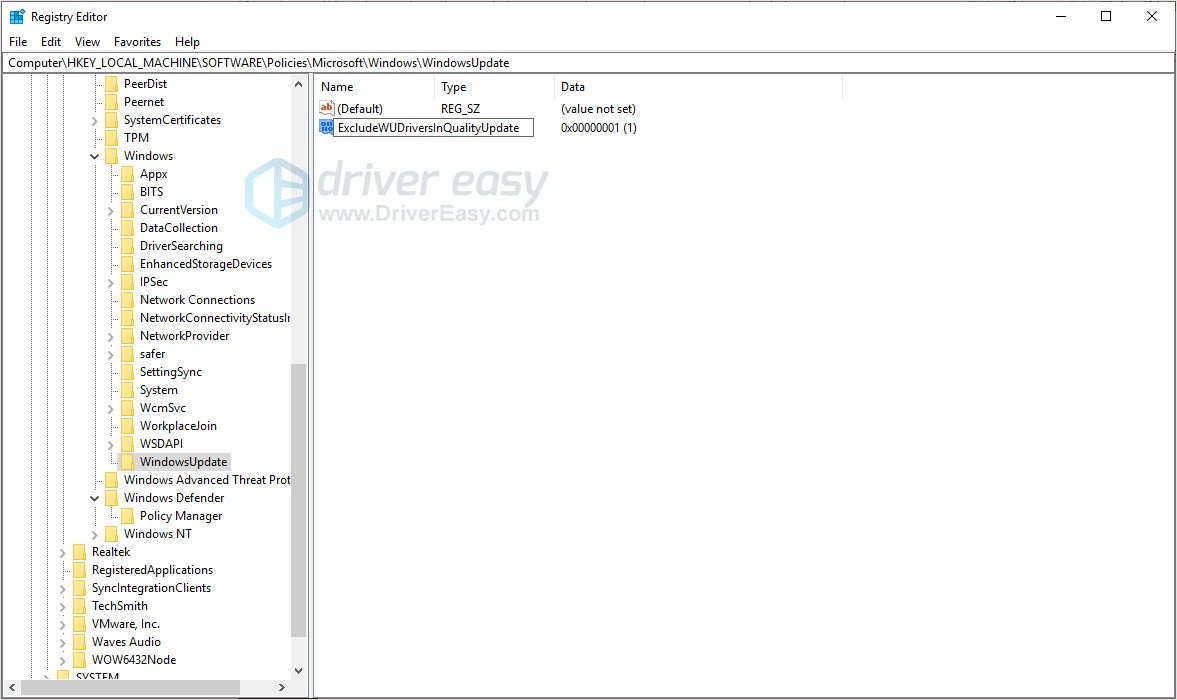
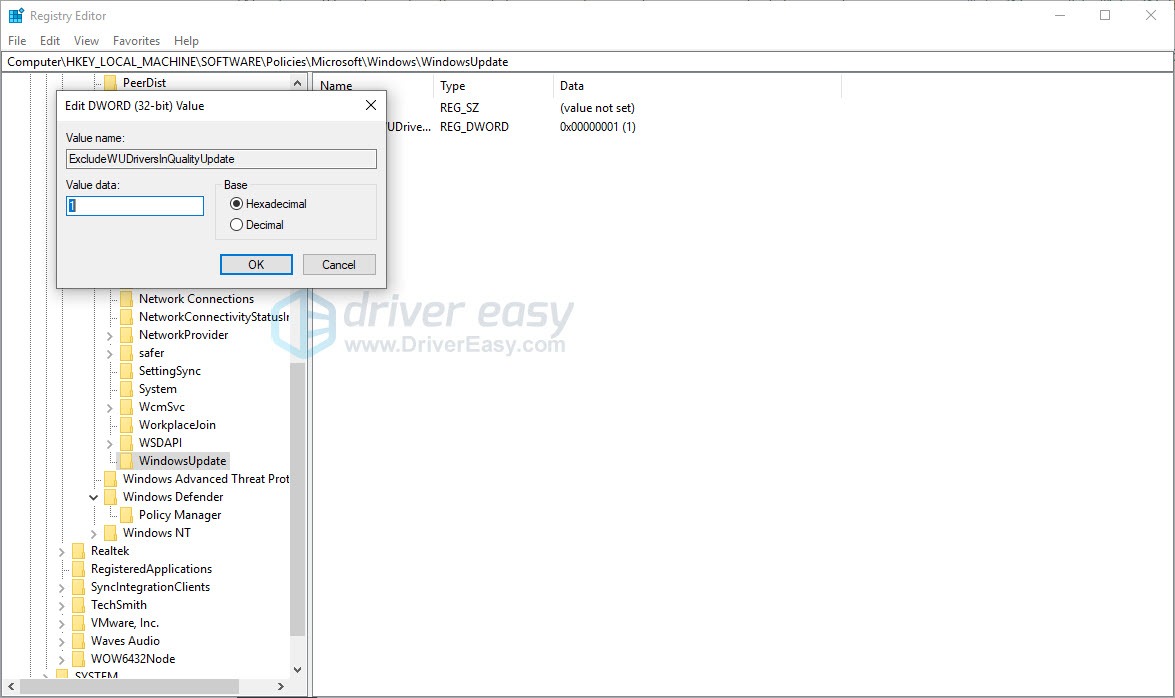
- Double-click ExcludeWUDriversInQualityUpdate and change the Value Data to 1. Click OK.
- Restart your computer to activate this effect.
How to Update Drivers Manually
Once automatic driver updates are disabled, you’ll need to keep your drivers up to date yourself. There are two ways for you to update drivers on your computer.
Option 1 – Manually – You’ll need some computer skills and patience to update your drivers this way, because you need to find exactly the right driver online, download it, and install it step by step.
OR
Option 2 – Automatically (Recommended) – This is the quickest and easiest option. It’s all done with just a couple of mouse clicks – easy even if you’re a computer newbie.
Option 1 – Download and install the driver manually
To get the latest device drivers, visit your hardware manufacturer’s (such as NVIDIA, AMD, Intel, Realtek, etc) or PC manufacturer’s (such as Dell, HP, Lenovo, Asus) support website. Find the driver for your device, make sure it matches your version of Windows (for example, Windows 11 64-bit), then download and install it by following the on-screen instructions.
Option 2 – Automatically update drivers
If you don’t have the time, patience, or computer skills to update drivers manually, you can do it automatically with Driver Easy.
Driver Easy will automatically recognize your system and find the correct drivers for it. You don’t need to know exactly what system your computer is running, you don’t need to risk downloading and installing the wrong driver, and you don’t need to worry about making a mistake when installing. This is especially helpful if your PC contains multiple devices with outdated drivers.
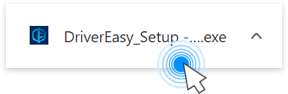
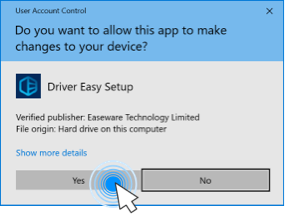
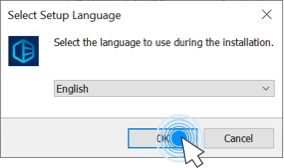
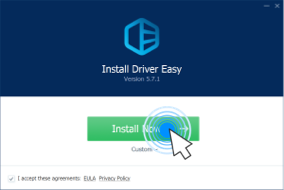
1) Download and install Driver Easy.
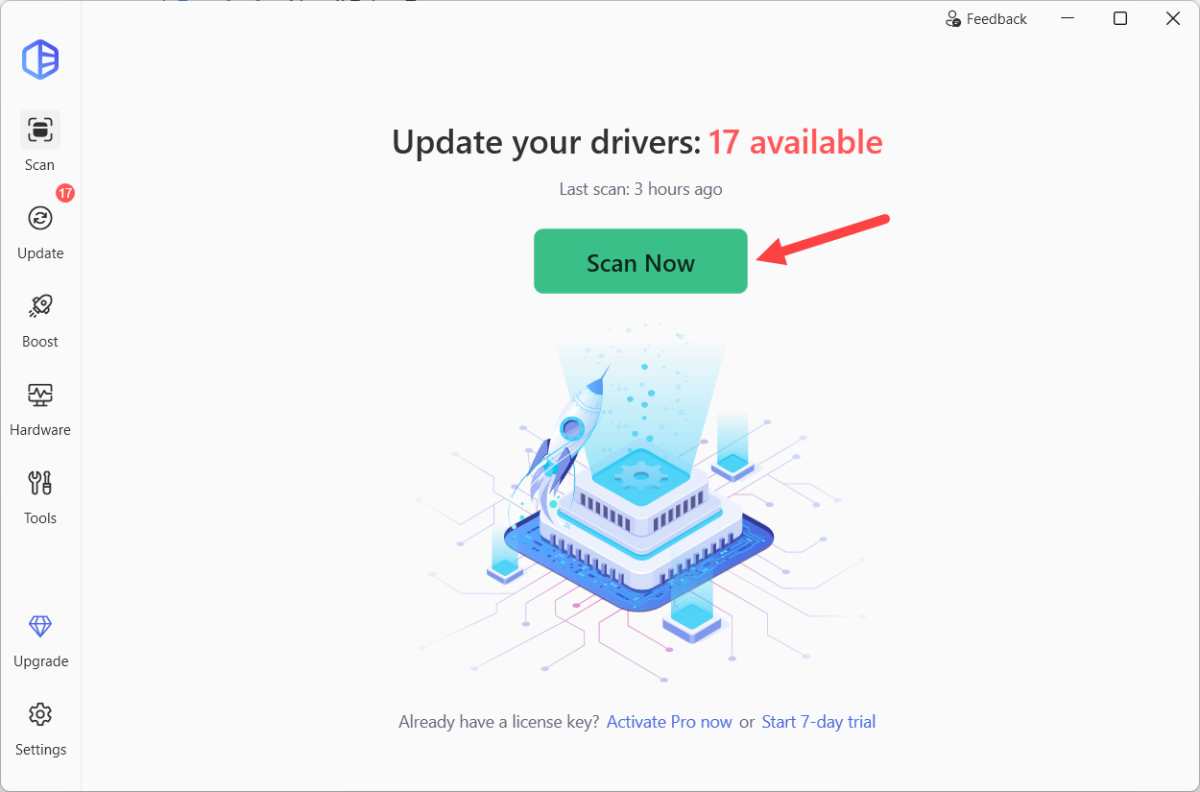
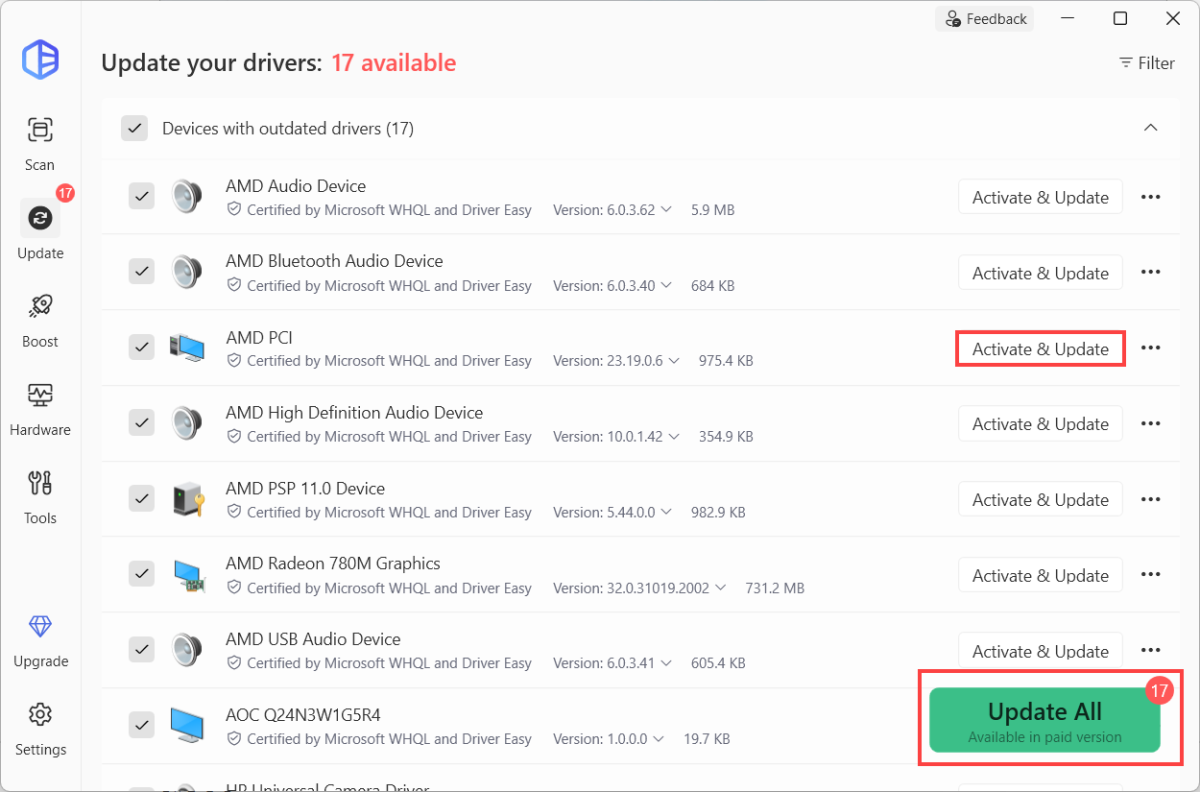
2) Run Driver Easy and click the Scan Now button. Driver Easy will then scan your computer and detect any problem drivers.
3) If you want to update one or a few specific drivers, click the Activate & Update button next to them. Or you can click Update All to automatically download and install the correct version of all the drivers that are missing or out of date on your system.
You’ll be prompted to upgrade to Driver Easy Pro when updating drivers. The Pro version includes automatic driver downloads and installations, priority technical support, and additional driver management features. If you’d like to try it first, you can start a 7-day free trial to explore all the Pro features before deciding whether to purchase.
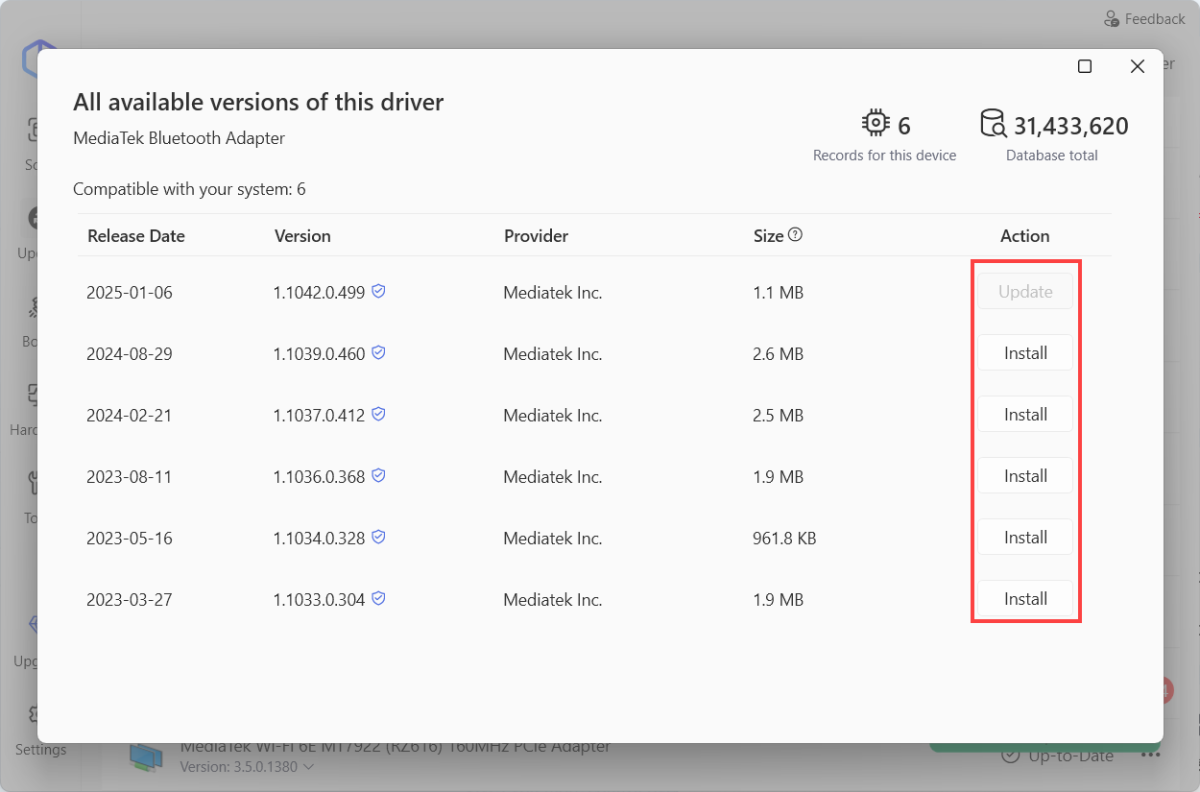
Besides installing the latest drivers, it also lets you install older driver versions when needed. This can be especially useful if a newer driver causes compatibility issues or system instability and you need to roll back to a version that works better with your hardware.
FAQs:
Does disabling automatic driver updates stop Windows Update?
No. Windows will continue receiving security updates, cumulative updates, and feature updates. Only automatic driver installation is disabled.
Should I disable automatic driver updates?
For most users, it’s best to leave automatic driver updates enabled. However, if Windows repeatedly installs an incompatible or unstable driver that causes problems, such as crashes, blue screens, device malfunctions, or reduced gaming performance. It also gives you more control over when and which driver versions are installed.
Can I turn automatic driver updates back on?
Yes. Simply reverse the changes you made using one of the methods above. Once done, restart your PC, and Windows will resume installing driver updates automatically.
We hope you find the above information helpful. And if you have any ideas, suggestions, or questions, feel free to leave a comment below.