


A broken Tab key instantly disrupts your workflow – whether you’re using Alt + Tab, jumping between form fields, or indenting text. If your Tab key is not working on Windows 11 or 10, you’re not alone. This issue is usually caused by an accidental accessibility setting, a background app blocking the key, or a faulty keyboard driver, and it’s usually not difficult to fix.
How to fix Tab key not working on Windows
We’ve put together the most reliable, proven solutions for the Tab key not working on a Windows PC, arranged from the quickest checks to deeper driver fixes. Work through the list in order until your Tab key starts working again.
Preliminary check: Test the on-screen keyboard
Before diving into system settings, run a quick test to confirm whether the problem is physical or software-based:
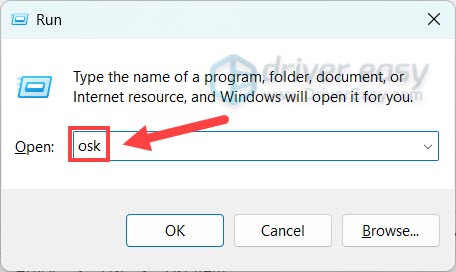
- On your keyboard, press the Windows logo key + R to open the Run dialog. Type osk and press Enter to launch the On-Screen Keyboard.
- Open a browser window or Notepad, then click the virtual Tab key with your mouse.
If the on-screen Tab key works: Windows can process the Tab command normally. The issue points to physical debris under your keycap, a failing switch, or a driver hook misinterpreting the physical keystroke. Try Fix 1 and Fix 5 first.
If the on-screen Tab key also fails: The problem is related to the Windows settings, an active keyboard hook, or an accessibility feature blocking the input system-wide. You can head straight to Fix 2, Fix 3, and Fix 4.
- Restart your computer and check the physical connection
- Turn off Filter Keys
- Close TeamViewer and unnecessary background apps
- Clear stuck modifier keys
- Update the keyboard driver
Fix 1: Restart your computer and check the physical connection
A simple restart can fix temporary system glitches and refresh your hardware connection. It is the quickest and easiest way to get your keyboard working again.
- Save your work and restart your computer.
- If you are using a wired external keyboard, unplug the cable, wait 10 seconds, and reconnect it directly to a USB port (avoid unpowered USB hubs).
- If you are using a wireless keyboard, inspect the battery level, re-pair the Bluetooth connection, or move the 2.4 GHz USB dongle to an unobstructed port.
- Clean around and beneath the Tab keycap using a can of compressed air to dislodge any accumulated dust, crumbs, or moisture.
Once Windows reloads, open Notepad and tap Tab to verify if indentation works.
Fix 2: Turn off Filter Keys
Filter Keys is a Windows feature that ignores brief or repeated keystrokes. You might have accidentally turned it on by holding down the right Shift key for 8 seconds. You can try turning it off to see if that brings your Tab key back to life.
Windows 11
- Right-click the Start button and select Settings.
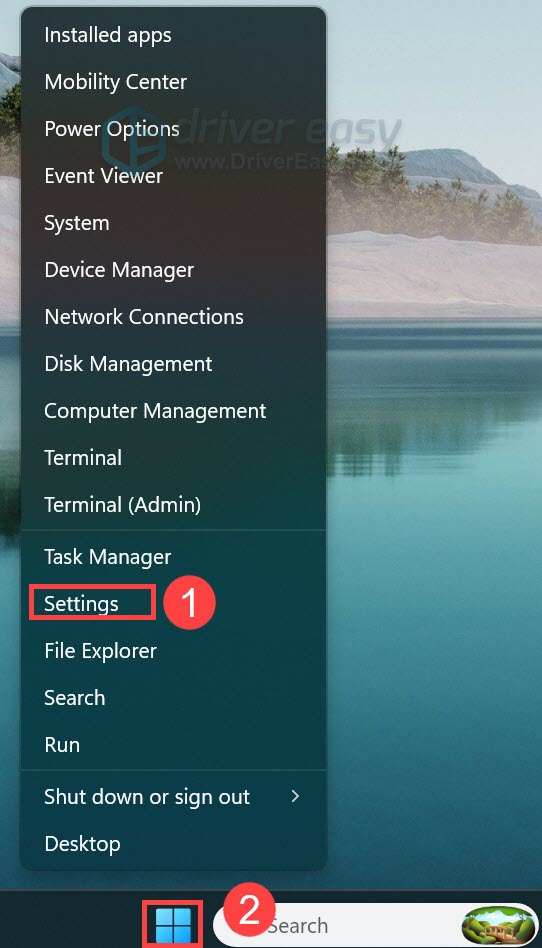
- Go to Accessibility > Keyboard.

- Toggle off Filter keys.

- Now try using your keyboard and see if how it works.
Windows 10
- Click the Start menu (the Windows logo) at the bottom left of your screen. Then click Settings.

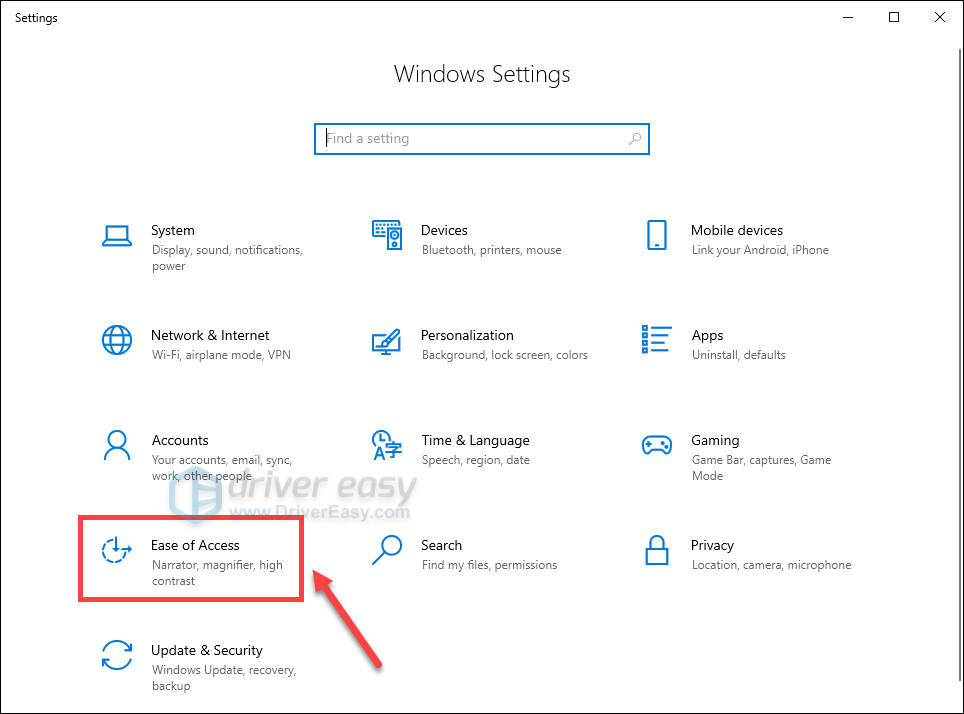
- Click Ease of Access.
- Click Keyboard.
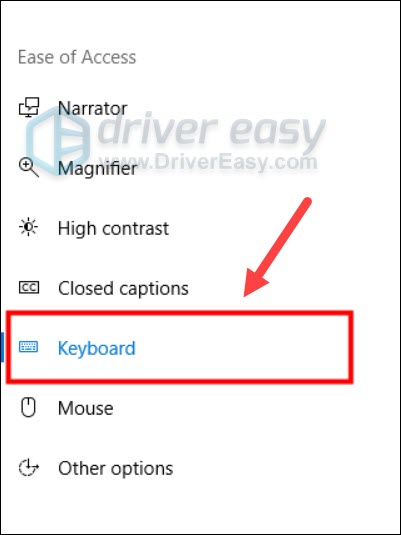
- Disable the Filter Keys function (switch off Filter Keys or uncheck Turn on Filter Keys).
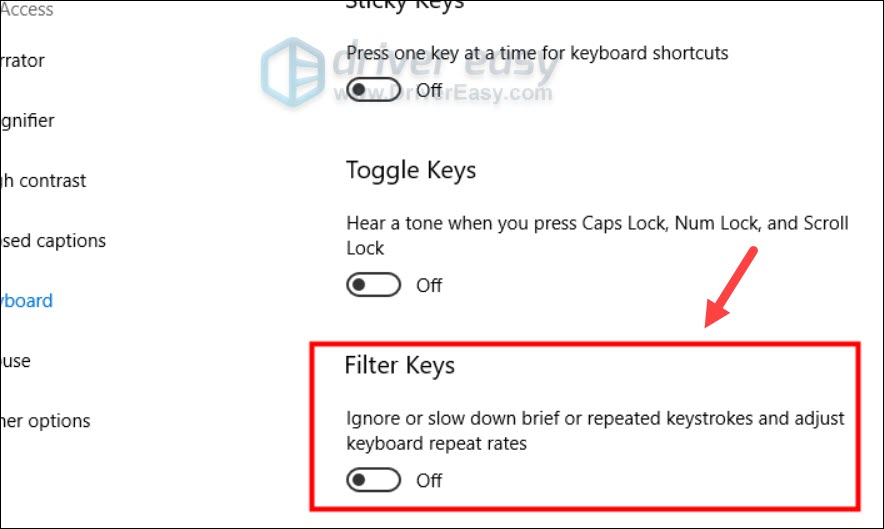
- Try your keyboard and see if disabling Filter Keys can restore your keyboard.
Fix 3: Close TeamViewer and unnecessary background apps
Background apps—especially remote desktop tools like TeamViewer or gaming macro software—can sometimes “hijack” your Tab key for their own shortcuts. Closing these apps completely will likely release the key and return it to normal.
- On your keyboard, press Ctrl + Shift + Esc simultaneously to open Task Manager.
- Under the Processes tab, look for TeamViewer, AnyDesk, or similar remote-access utilities running in the background.
- Right-click the application and select End task.
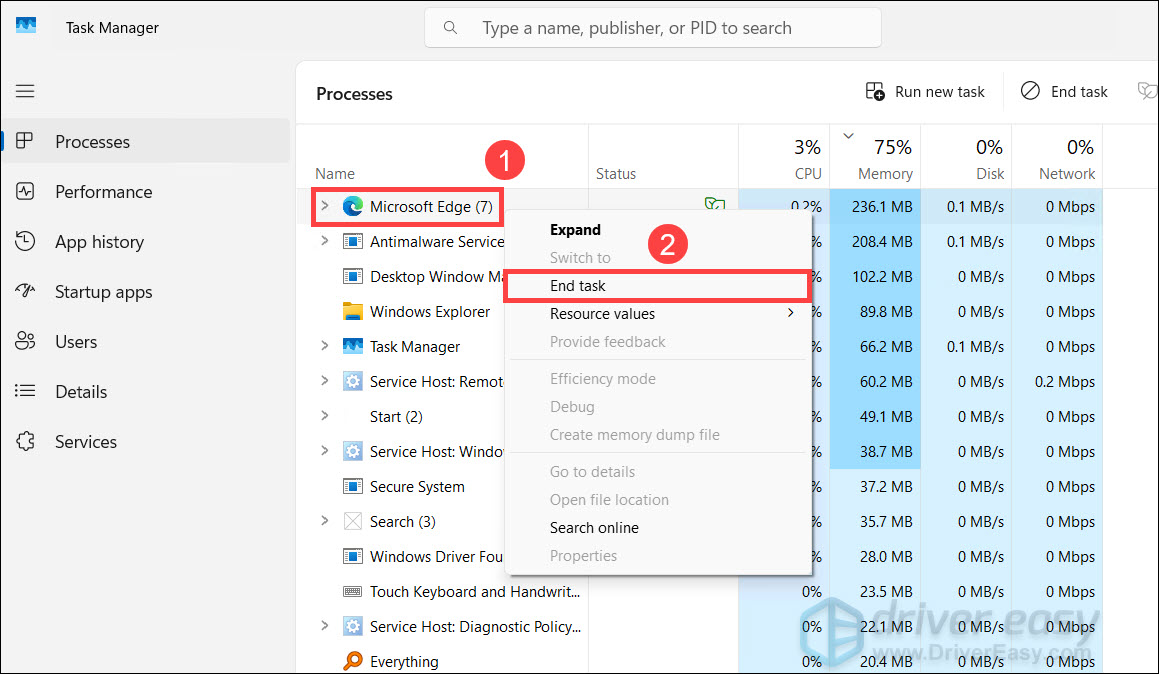
- Check your system tray (bottom-right corner of the taskbar), right-click any background overlay or macro tool, and exit the program.
Fix 4: Clear stuck modifier keys
Sometimes, modifier keys like Alt, Ctrl, or the Windows key get confused and act like they are permanently pressed down. When this happens, hitting Tab triggers a shortcut (like Alt + Tab) instead of a normal space. Here’s how to reset these key combinations and unstick them.
- Tap the left Alt key twice, then tap the right Alt key twice.
- Tap the Ctrl key twice. Then tap the Windows logo key twice.
- Open a text editor (like Notepad), press and hold the Alt key, type 009 on your numeric keypad, and release the Alt key.
This sends the direct ASCII tab character code. If a tab space appears, your operating system is accepting tab characters, confirming that the issue lies with the physical switch or key mapping rather than text handling.
Fix 5: Update the keyboard driver
If your keyboard driver is corrupted or outdated, Windows won’t be able to understand your keystrokes properly. You can simply update or reinstall the driver to give your keyboard a fresh start and fix communication errors.
There are two ways to update your keyboard driver:
1. Manually update the keyboard driver – You can go to the manufacturer’s website for your keyboard or your PC, find the latest correct driver for your keyboard device, and install it on your computer. Be sure to download the driver that is compatible with your OS. You can read the detailed manual instructions in our article: Download & Install Keyboard Driver for Windows 11/10/8/7 Step by Step.
2. Automatically update all your device drivers – If you don’t have time or patience, you can do it automatically with Driver Easy.
Driver Easy will automatically recognize your system and find the correct drivers for it. Beyond just the keyboard driver, it also updates your graphics, audio, network, Bluetooth, and other critical device drivers. You don’t need to know exactly what system your computer is running, you don’t need to risk downloading and installing the wrong driver, and you don’t need to worry about making a mistake when installing.
You can try it out with the 7-day free trial, giving you full access to automatic downloads and one-click updates without paying anything upfront.
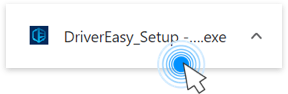
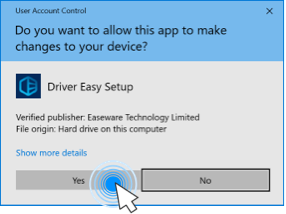
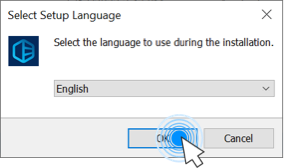
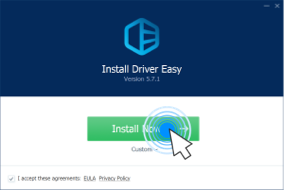
- Download and install Driver Easy.
- Run Driver Easy and click the Scan Now button. Driver Easy will then scan your computer and detect any problem drivers.
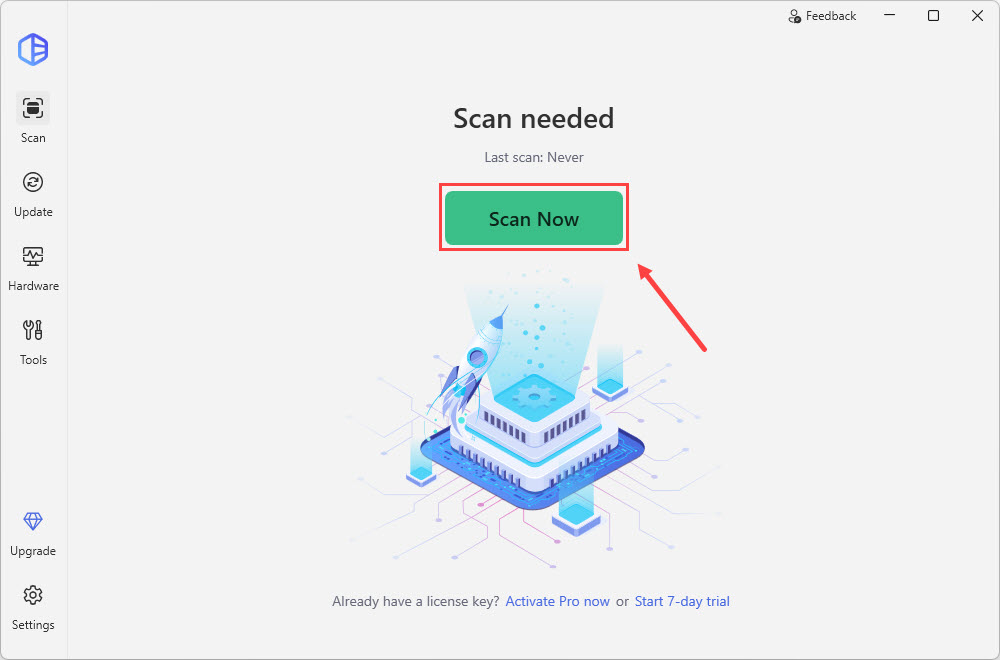
- Click Activate & Update next to your keyboard device to update its driver, or click Update All to automatically download and install the correct version of all the drivers that are missing or out of date on your system.
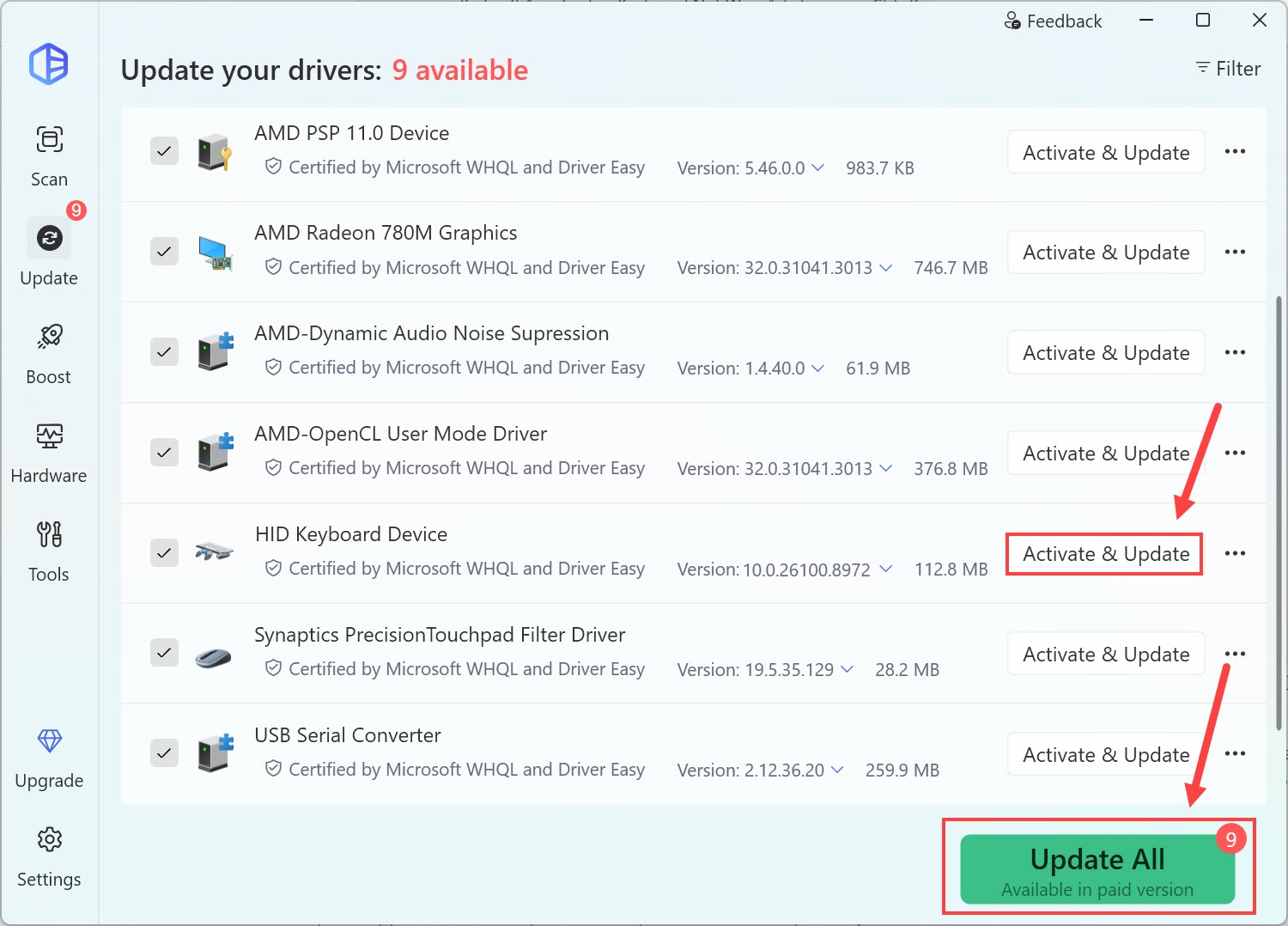
✅ By starting the free trial or upgrading directly to the Pro version (now 50% off!), you’ll unlock the full suite of premium features, including automatic driver updates, safe rollback, and advanced tools like System Clean and Game Boost. - Restart your computer to take effect.
Try the Tab key again and see if it works.
An unresponsive Tab key is usually caused by simple software conflicts, stuck modifier keys, or a corrupted driver rather than permanent hardware failure. Hopefully, one of the solutions above helped you get your Tab key working properly again.
Did one of these fixes solve the problem for you, or did you discover another workaround? Let us know in the comments below along with your keyboard model and Windows version. We’re always happy to help!