




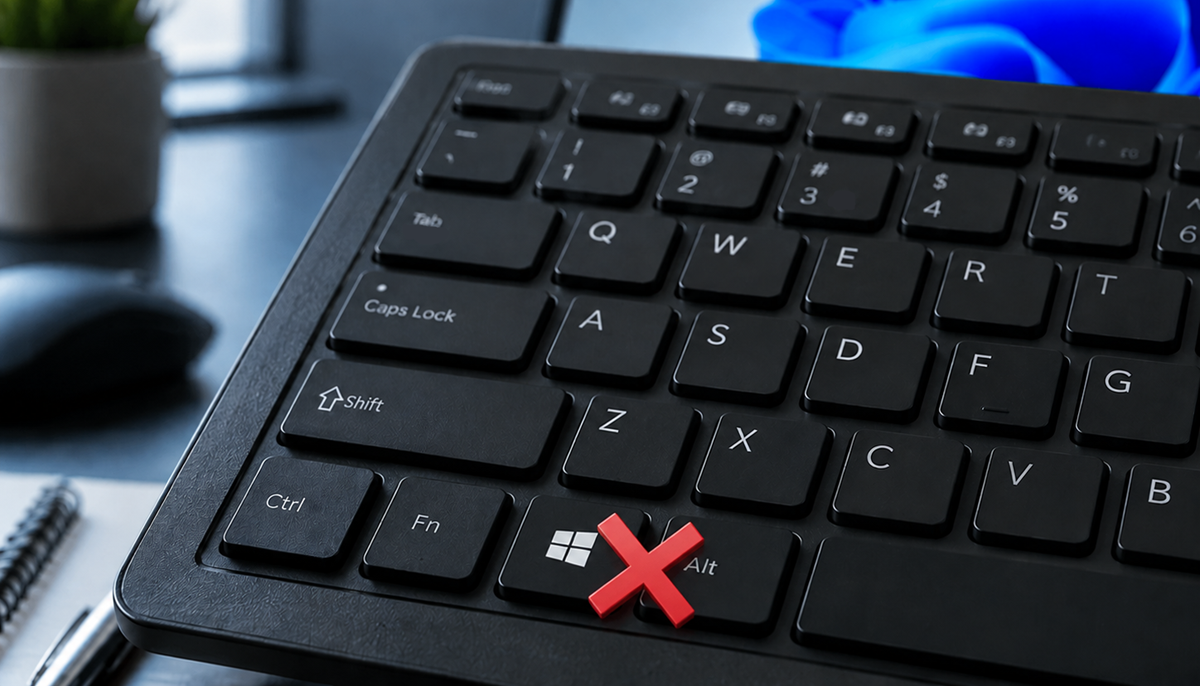
You press the Windows key, and nothing happens — no Start menu, no Win + L lock, no Win + R run box. You press it again, harder, and the screen just stares back at you.
You’re not alone. This is one of the most-reported keyboard complaints. And here’s the good news: in most cases, your key isn’t broken, neither is Windows, and the fix often takes two seconds. In this guide, we’ll walk you through 6 tested fixes for a Windows key not working on Windows 10 and 11, so you can get your key (and your workflow) back in minutes.
How to fix Windows key not working
Here are 6 fixes for the Windows key not working issue. You don’t have to try them all — just work your way down until you find the one that does the trick.
- Test the keyboard on another PC
- Unlock the Windows Key
- Switch out of Mac Mode
- Repair the Start menu
- Update your keyboard drivers
- Delete the Scancode Map registry entry (if it exists)
- How to fix Windows Key not working in games
Fix 1 – Test the keyboard on another PC
Before trying anything more complicated, let’s rule out a keyboard hardware issue.
On a desktop, plug the keyboard into another computer. If the Windows key still does nothing there, the keyboard itself is likely the cause. The switch, key mechanism, or onboard firmware profile may have a problem.
For laptops, connect an external USB keyboard. If the Windows key works on it, the issue is likely related to the built-in keyboard settings, firmware, or hardware. Keep reading to troubleshoot further. Also try another USB port if the problem only occurs with one connection.
Fix 2 – Unlock the Windows Key
One of the most common causes of a disabled Windows key is a keyboard’s built-in Win-lock or Game Mode feature.
Many gaming keyboards include this function to prevent accidental Start menu pop-ups while playing games. It can be enabled accidentally without the user noticing. You can try these methods to activate the Windows key:
- Press Fn + Windows key. If you’re on the laptop and the Windows key is not working on the external keyboard, press Fn + Win on the laptop’s own built-in keyboard.
- If your board has a dedicated Win-lock key (look for a padlock or Windows icon), press it once.
- Check your keyboard software and disable Windows key locking.
The shortcuts to unlock the Windows key vary by brand, and here are the most common ones from major brands:
| Logitech (G Series) | Dedicated Game Mode Button (🎮 or 🔒 icon) | On compact layouts, use Fn + F8. |
Razer | Fn + F10 | You can also toggle Gaming Mode in Razer Synapse. |
| Corsair | Dedicated Win Lock Button (🔒 icon) or Fn + L | You can also disable Win-lock in Corsair iCUE software. |
| SteelSeries | Fn + SteelSeries Key + Win (G/PC mode) | Look for the logo indicator light to confirm the toggle. |
| ASUS / ROG | Fn + Win | You can also disable Win Key Lock in Armoury Crate |
| HyperX | Game Mode Button (🎮 / G icon) or Fn + F12 | You can also toggle Game Mode in HyperX NGENUITY. |
| MSI | Fn + Win | You can also toggle Game Mode in MSI Center / Dragon Center. |
After unlocking the Windows key, press it to test. If it opens the Start menu and the Win + E shortcut launches File Explorer, the issue is fixed. If not, check out the next method below.
Fix 3 – Switch out of Mac Mode
If pressing Alt opens the Start menu, your keyboard may be accidentally switched to Mac mode. Many multi-platform keyboards support both Windows and macOS layouts. In Mac mode, the keyboard remaps keys, causing the Windows key to behave differently or stop working with Windows shortcuts. Here’s how to change it back:
- Try pressing Fn + Tab, which works on most multi-layout boards, or Fn + Win.
- Switch to the Windows layer (often Layer 2) on keyboards such as Keychron or other VIA/QMK-compatible boards.
- Wireless boards sometimes re-enter Mac mode after re-pairing — toggle once, and it usually sticks.
Test if Alt opens Start and press the Windows key to confirm it launches the Start menu.
Fix 4 – Repair the Start menu
If pressing the Windows key alone doesn’t open the Start menu, but other shortcuts like Win + E work fine, or the Start menu doesn’t open even when you click it with your mouse, the issue isn’t your keyboard. Instead, Windows itself may have a problem with the Start Menu Experience Host, which can occasionally become corrupted after a Windows update or interrupted system upgrade.
You can try a quick reset:
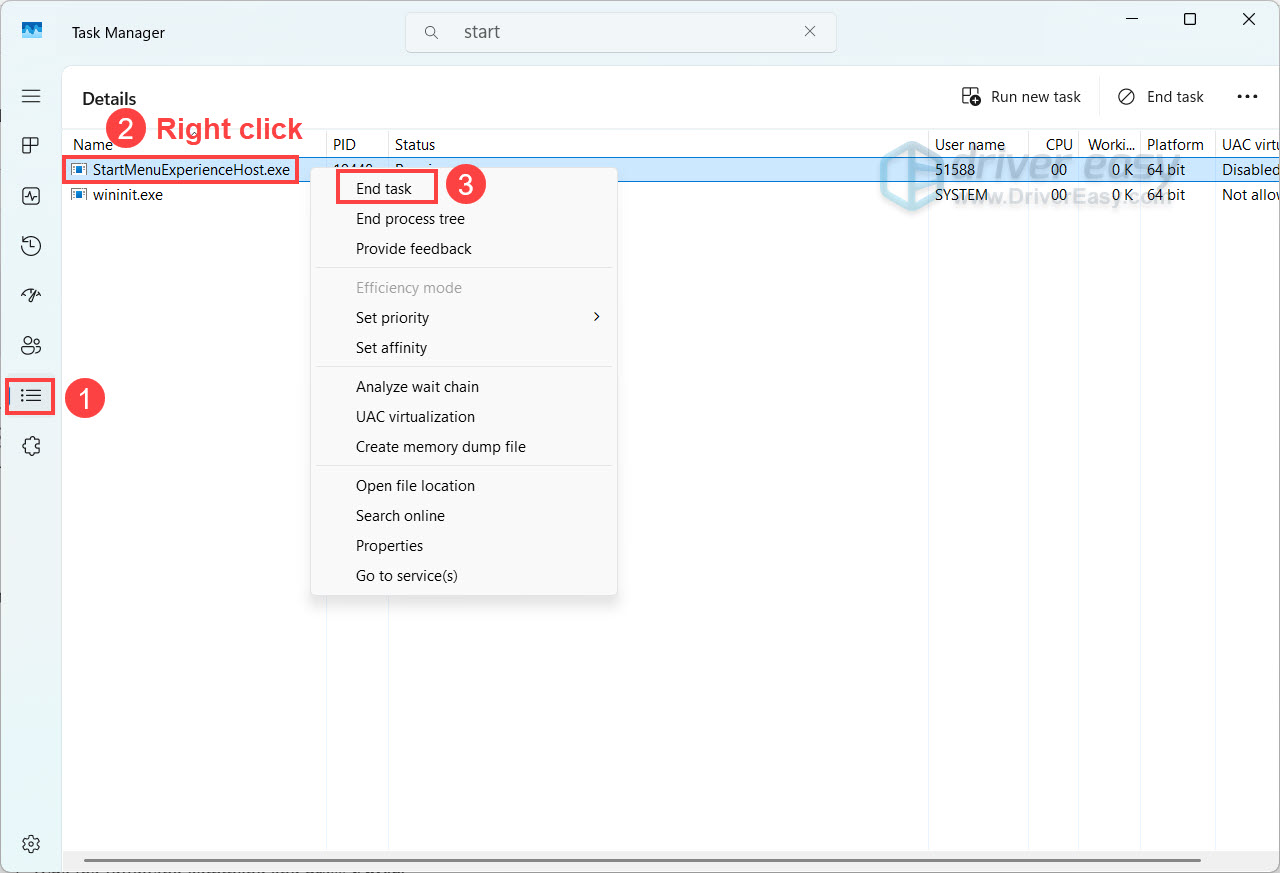
- Press Ctrl + Shift + Esc to open Task Manager.
- Click the Details tab, find StartMenuExperienceHost.exe. Right-click and choose End Task. Windows will automatically restart it instantly.
If that doesn’t work, move on to the full package repair below:
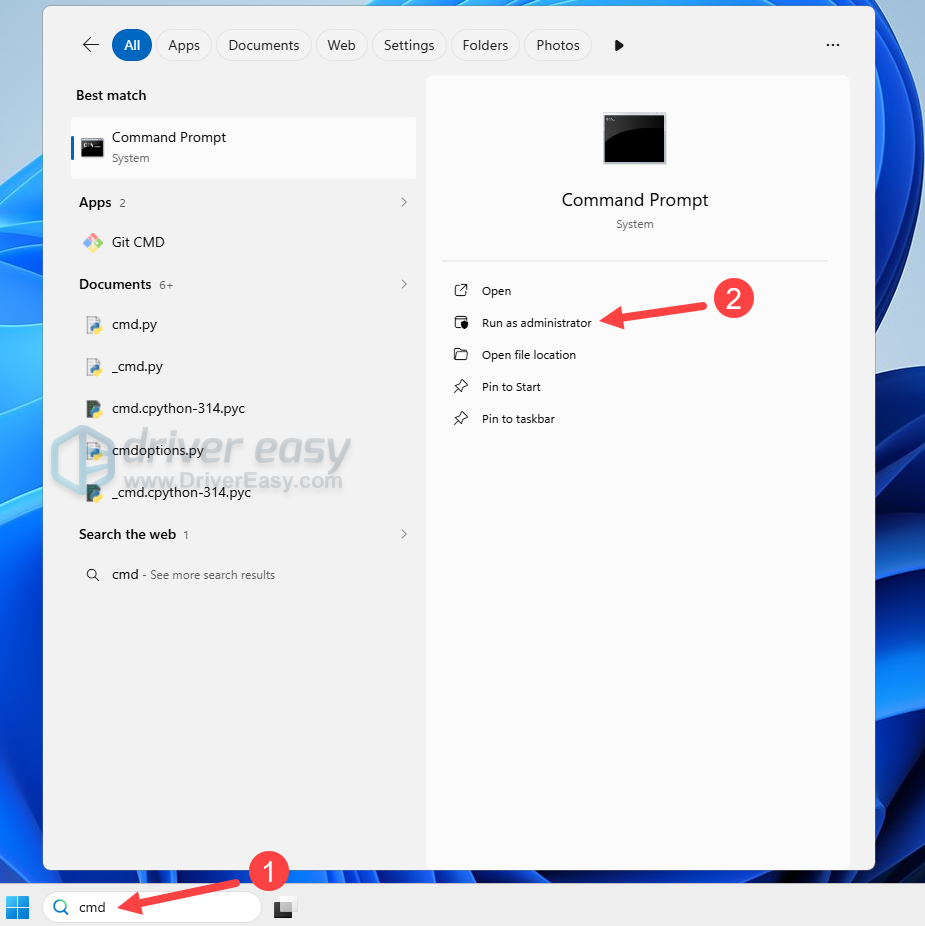
- Type cmd into the Windows search bar and click Run as administrator for Command Prompt.
- Paste the following command into the cmd and press Enter:
Get-AppxPackage -allusers Microsoft.Windows.StartMenuExperienceHost | Foreach {Add-AppxPackage -DisableDevelopmentMode -Register "$($_.InstallLocation)\AppXManifest.xml"} - Wait for it to finish, then sign out and sign back in.
Test the Windows key, Win + R, and Win + E. If all three shortcuts work again, the repair worked.
Fix 5 – Update your keyboard drivers
Although driver problems are less common than firmware locks or incorrect keyboard modes, they’re still worth checking—especially if the issue began after installing a Windows update, connecting new hardware, or upgrading your motherboard or chipset drivers.
Outdated or corrupted keyboard, USB controller, chipset, or HID drivers can prevent Windows from correctly communicating with your keyboard. Here are two ways you can update it:
Option 1: Update driver manually via Device Manager
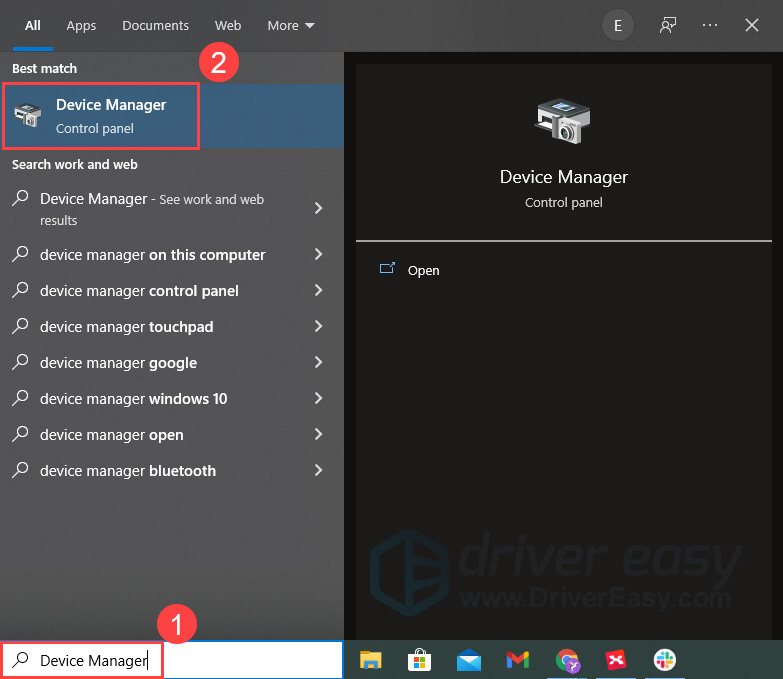
- Type device into the Windows search bar and select Device Manager.
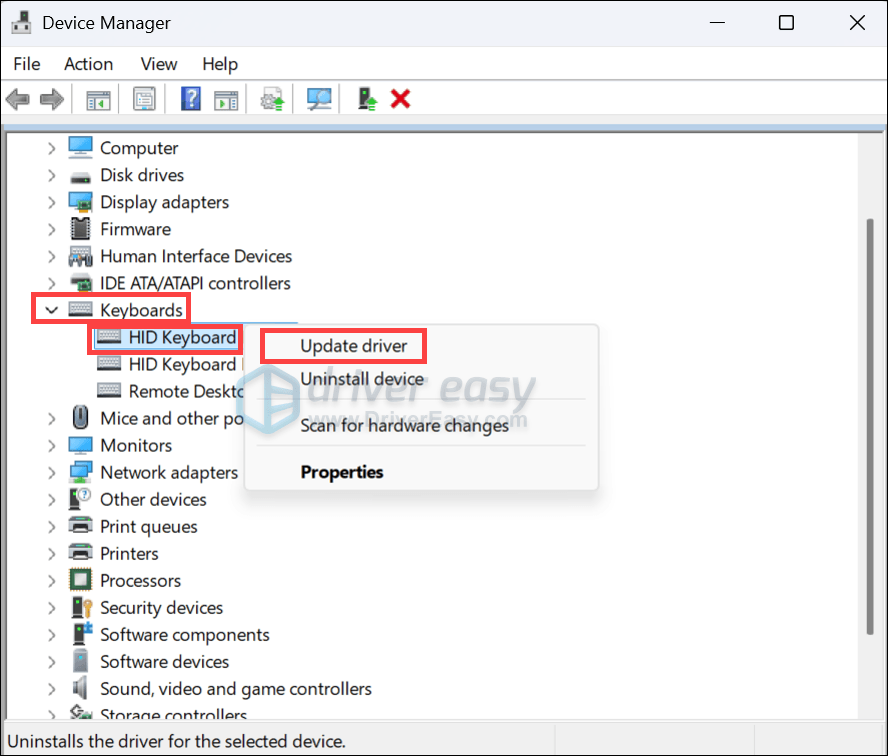
- Expand Keyboards, right-click your keyboard, and choose Update driver.
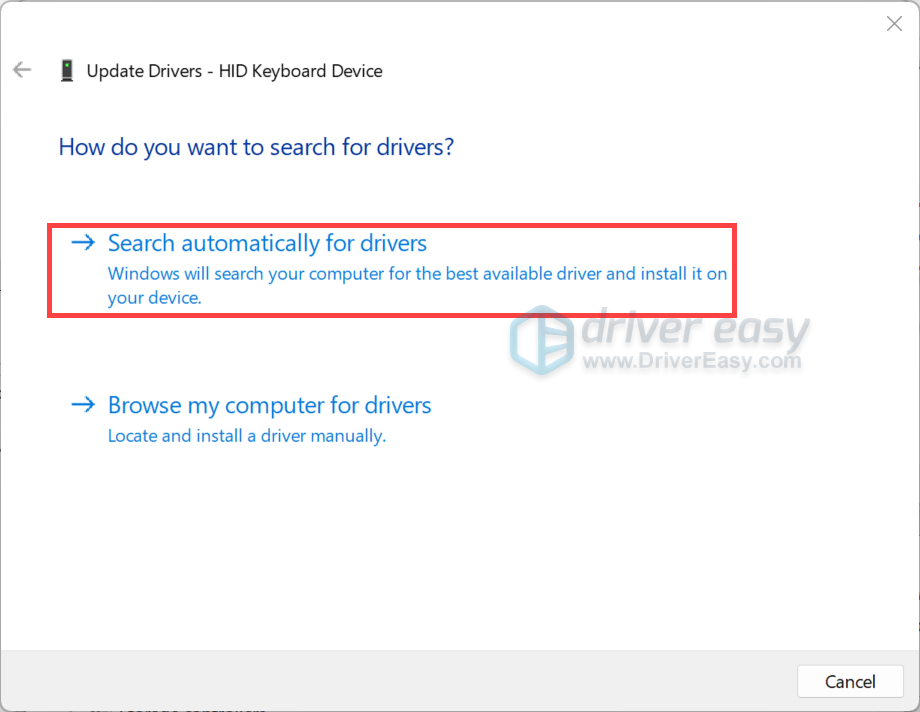
- Click Search automatically for drivers.
- Wait for the process to complete. If Windows says you’re up to date, repeat the steps above to update USB Root Hub under Universal Serial Bus controllers as well.
Restart and test the Windows key.
Device Manager only searches Microsoft’s driver catalog. It may not detect newer manufacturer-provided drivers or identify drivers that have become corrupted. To check for the latest drivers easily and automatically, Driver Easy is recommended.
Option 2: Update drivers automatically with Driver Easy (Recommended)
If you don’t want to identify drivers one by one, Driver Easy can scan your system and detect outdated or missing drivers automatically — and it catches the hidden HID and USB hub drivers that Device Manager insists are “up to date” even when they’re stale or corrupted. Besides the keyboard driver, it can update your graphics, chipset, USB, and audio drivers in one place.
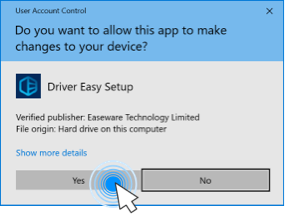
- Download and install Driver Easy.
- Run Driver Easy and click Scan Now. It will detect any problem drivers.
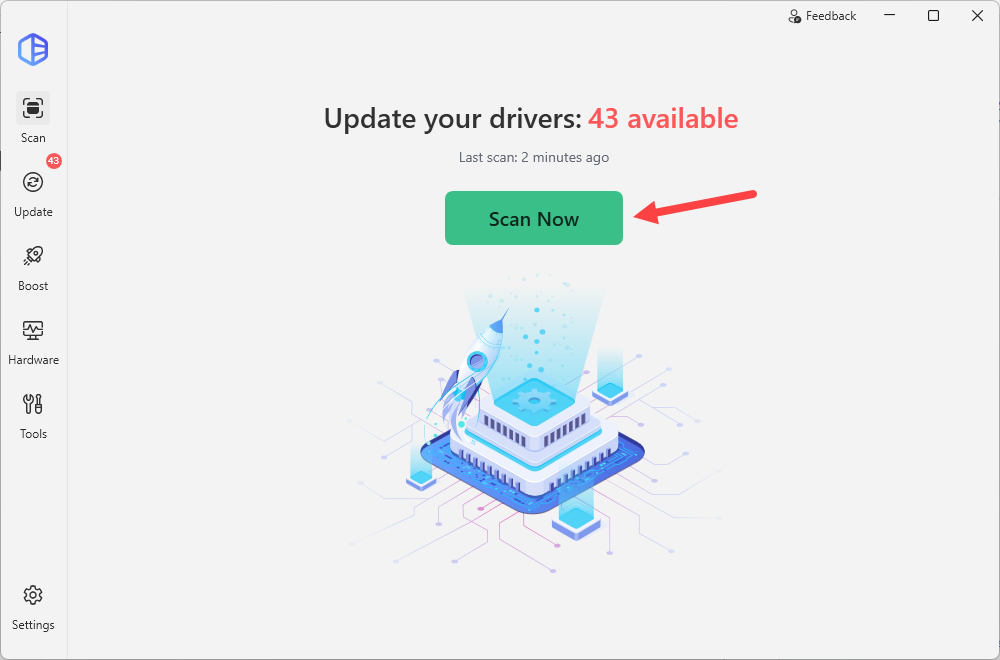
- Click Activate & Update next to the driver you want to update, such as a keyboard or USB driver. Or you can click Update All to automatically download and install the correct version of all missing or outdated drivers.
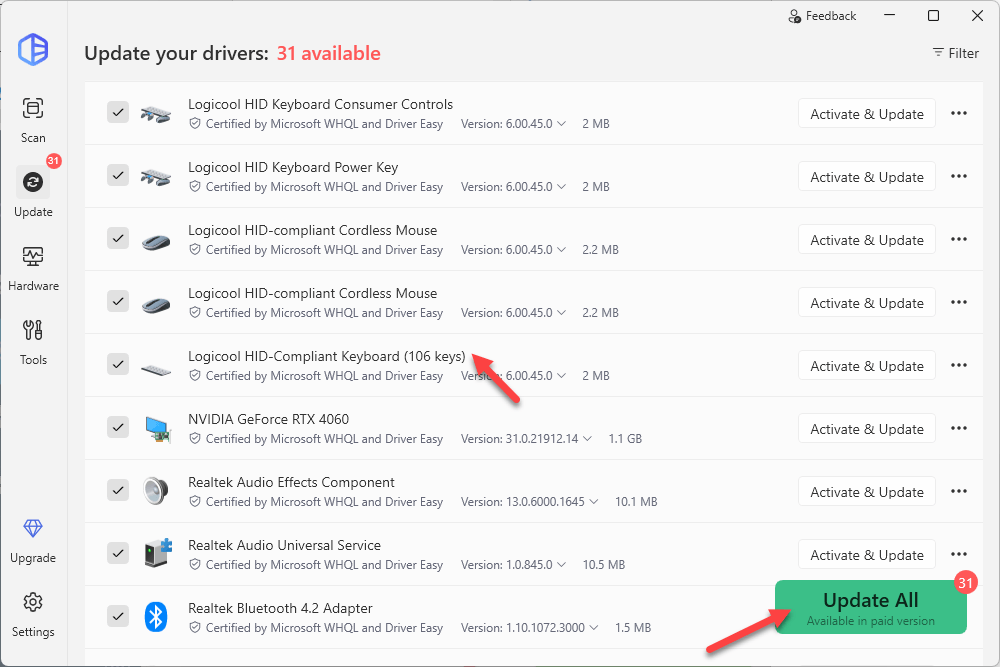
This requires the Pro version – you’ll be prompted to upgrade when you install drivers. The Pro version provides hassle-free driver updates and full technical support for you to keep your PC running smoothly. If you’re not ready to purchase now, you can try all the Pro features with the 7-day free trial.
Restart your computer and test the Windows key. If nothing changed, the drivers were not the problem. Continue to the next fix.
Fix 6 – Delete the Scancode Map registry entry (if it exists)
Some keyboard remapping utilities can create a registry value called Scancode Map, which allows Windows keys to be remapped or completely disabled. This isn’t common, but it’s worth checking if you’ve previously used keyboard customization software.
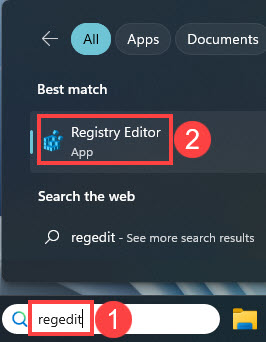
- Type regedit into the Windows search bar and click Registry Editor.
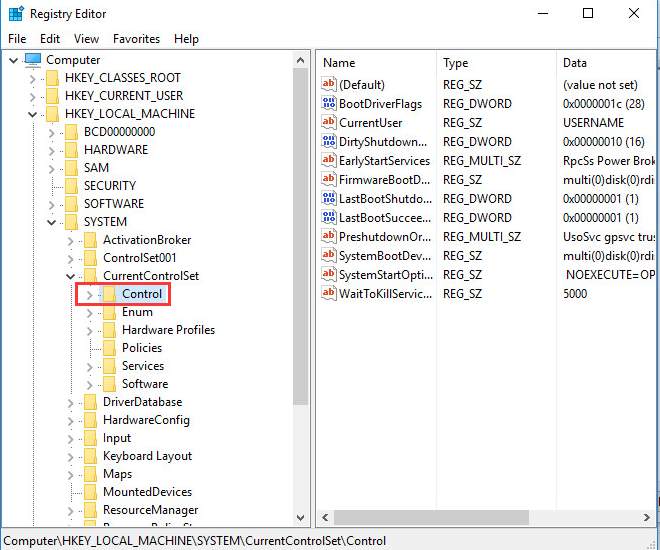
- Navigate to HKEY_LOCAL_MACHINE\SYSTEM\CurrentControlSet\Control\Keyboard Layout.
- In the right pane, look for a value named Scancode Map. If it’s not there, which is common for most users, this fix doesn’t apply to your PC. If it exists, right-click it, select Delete, and confirm with Yes.
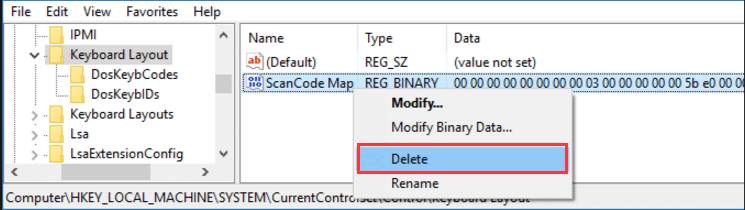
Restart the computer and test if the Windows key works now.
How to fix Windows Key not working in games
If your Windows key works normally on the desktop but stops responding as soon as you launch a game, there’s usually nothing wrong with your keyboard.
Many full-screen games intentionally disable the Windows key to prevent accidental presses that could minimize the game during gameplay. Some gaming keyboards also enable Game Mode, which locks the Windows key whenever a supported game is running.
To fix it, try these workarounds:
- Switch the game to Borderless Windowed mode. This keeps the Windows key available while maintaining a nearly full-screen experience.
- Press Alt + Tab to switch to another application if you need to leave the game.
- If the game becomes unresponsive, press Ctrl + Shift + Esc to open Task Manager.
A Windows key not working feels like a hardware failure, but in the vast majority of cases it’s a two-second toggle you never knew existed. Start with Fix 1, test after each step, and you’ll almost always be back to normal in under ten minutes — no reinstall, no new keyboard, no despair.

