


It could be annoying when you click the Start button or hit the Windows key, but nothing happens. In some cases, the Start button appears but won’t open, while in others it may disappear from the taskbar entirely.
You’re not the only one facing the Windows 11 Start menu not working issue. Fortunately, the issue is often easy to fix without reinstalling Windows. In this guide, we’ve put together 8 proven ways to fix the non-working Windows Start menu, easily and quickly. The methods apply to Windows 11 22H2, 23H2, 24H2 and later.
Try these fixes:
Based on our troubleshooting experience, the solutions below have helped many users restore the Start Menu. Start with the easiest fixes first and work your way down until you find the one that works.
- Restart Windows Explorer
- Restart the Start Menu and Windows Search processes
- Install or roll back Windows updates
- Repair system files
- Update your graphics, chipset, and keyboard drivers
- Re-register the Start Menu
- Create a new Windows user account
- Reset Windows (last resort)
Before you start
Before trying the more advanced solutions, spend a minute on these quick checks:
- Restart your PC.
- Press Ctrl + Esc to see if the Start Menu opens.
- Try clicking the Start button with your mouse. If you can open the Start Menu by clicking the Start button, but pressing the Windows key does nothing, read our guide on How to fix Windows key not working.
- Disconnect unnecessary USB devices.
- If you’re using a laptop, test with an external keyboard to rule out a faulty Windows key.
If the Start Menu still doesn’t work, continue with the fixes below.
Fix 1: Restart Windows Explorer
Windows Explorer (explorer.exe) doesn’t just manage File Explorer, but also controls the desktop, taskbar, notification area, and Start Menu. If the process freezes, the Start Menu may stop responding. Restarting Windows Explorer refreshes these Windows components without requiring a full reboot.
- Press the CTRL + Shift + Esc keys together to open the Task Manager.
- Scroll down to find Windows Explorer. Right-click on it and select Restart.
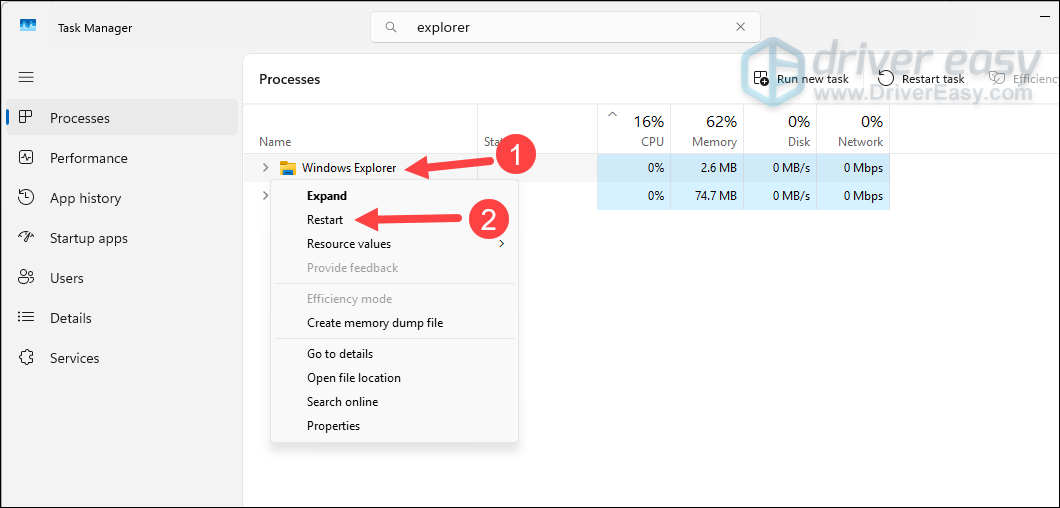
- Check if your Start menu is working or not.
If you don’t see Windows Explorer, click Run new task, type explorer.exe, and press Enter. Then, right-click Windows Explorer and click Restart.
After Windows Explorer restarts, click the Start button or press the Windows key to check whether the Start menu opens normally. If not, move on to the next solution.
Fix 2: Restart the Start Menu and Windows Search processes
Besides Windows Explorer, Windows 11 also relies on dedicated processes to power the Start Menu and Windows Search.
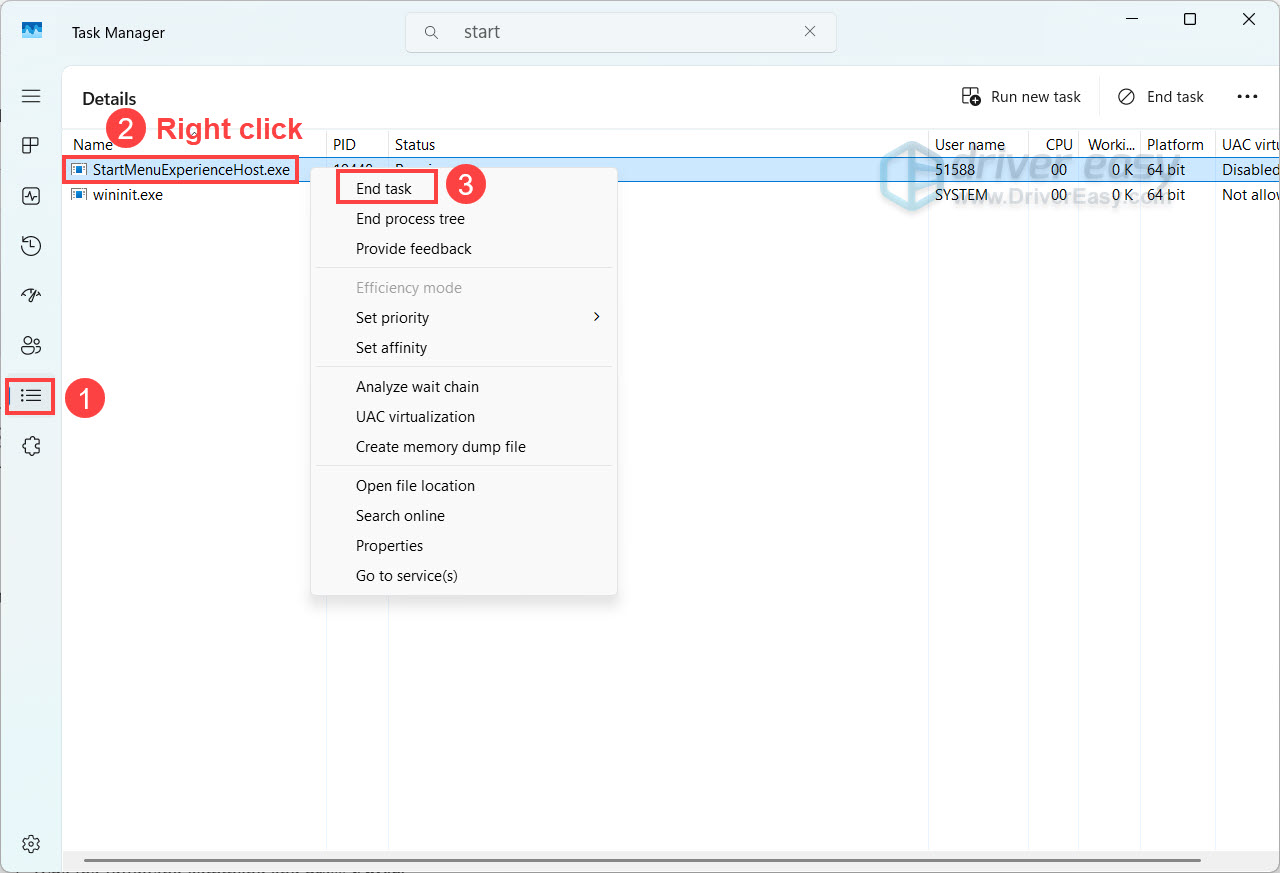
- StartMenuExperienceHost.exe renders the Start Menu interface.
- SearchHost.exe powers Windows Search and integrates with the Start Menu.
If either process crashes or gets stuck, clicking the Start button or pressing the Windows key may do nothing. You can simply restart these processes to see if they’re the cause.
- On your keyboard, press CTRL + Shift + Esc together to open the Task Manager.
- Select the Details tab. Right-click StartMenuExperienceHost.exe and click End task.
- Still in Task Manager, right-click SearchHost.exe and click End task.
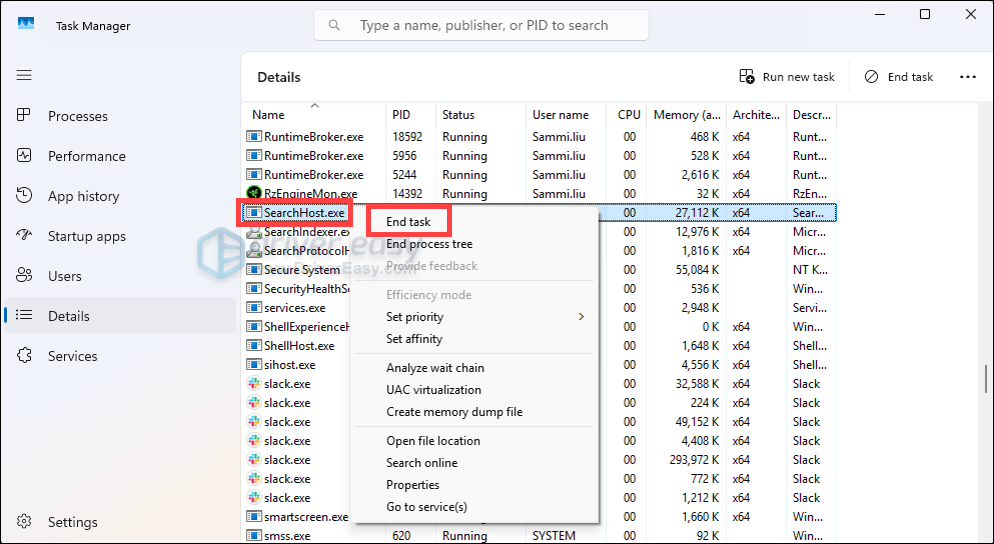
Don’t worry; Windows will automatically restart these processes within a few seconds. Afterwards, try clicking the Start button, pressing the Windows key, and typing in the Windows Search box. If everything responds normally, the issue was likely caused by a temporary Windows Shell process failure.
If the Start Menu is still not working, continue with the next fix.
Fix 3: Install or roll back Windows updates
Windows updates often include fixes for Start Menu, taskbar, and Windows Shell bugs. However, new updates can occasionally introduce compatibility issues that cause the Start Menu to stop responding.
If your Start Menu problem started right after a recent update, rolling back that problematic update may restore normal functionality until Microsoft releases a permanent fix. Otherwise, you can try installing the latest cumulative update to fix the issue.
- Press the Windows logo key + I key together to open Settings.
- Click Windows Update on the left panel. Click Check for updates to see if there are a Windows update is available. If there are available updates for your PC, click Download & install to install the updates.
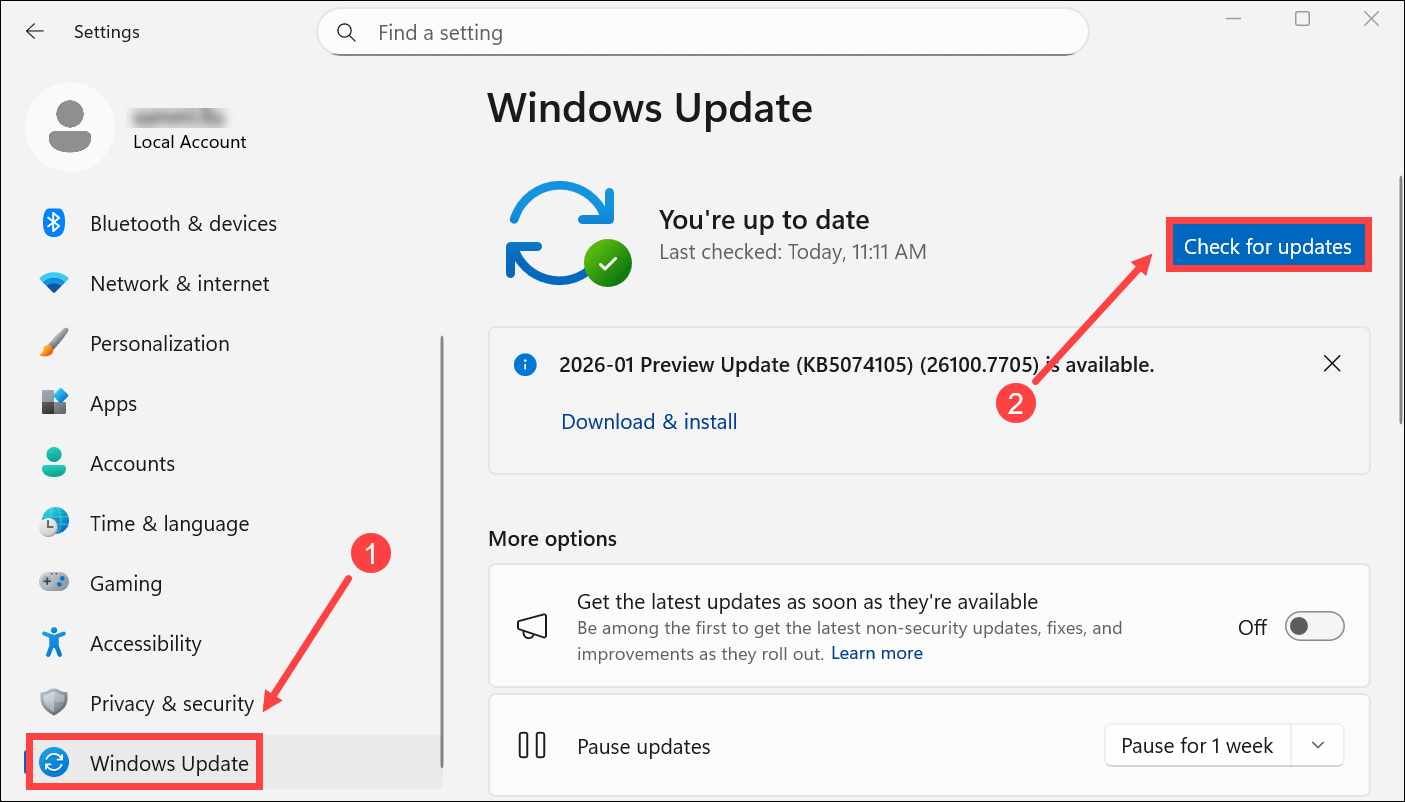
- If the issue occurred after an update, navigate to Settings > Windows Update > Update history. Scroll down and click Uninstall updates.
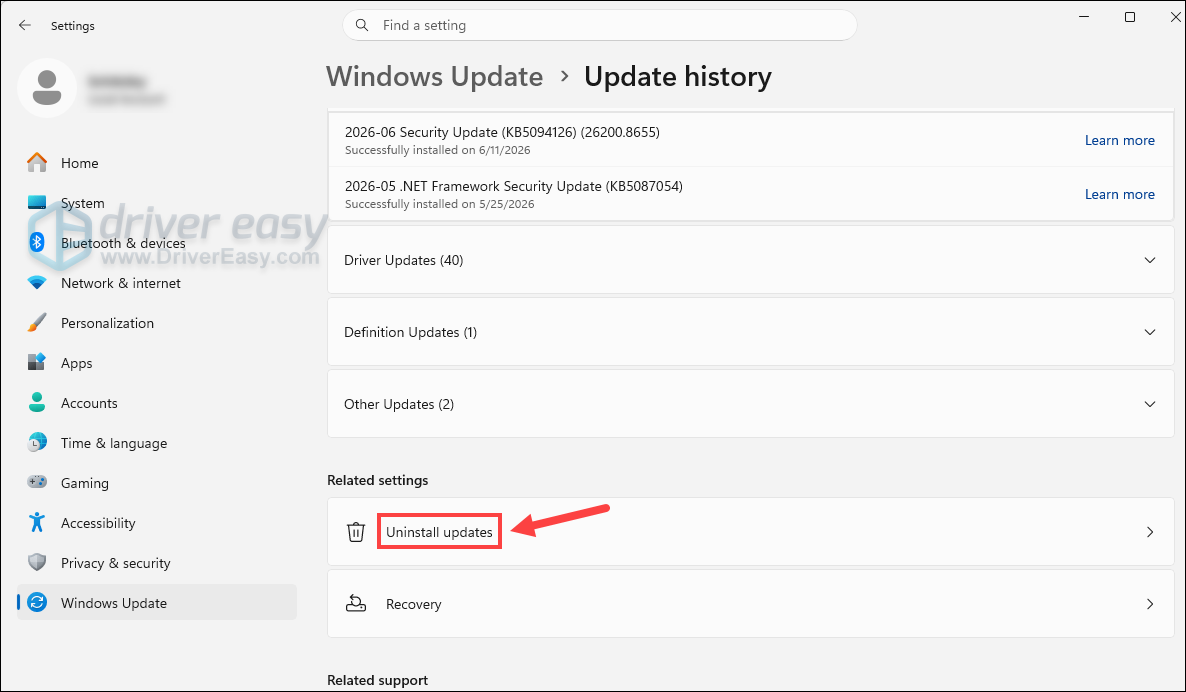
Locate the most recently installed quality update and click Uninstall.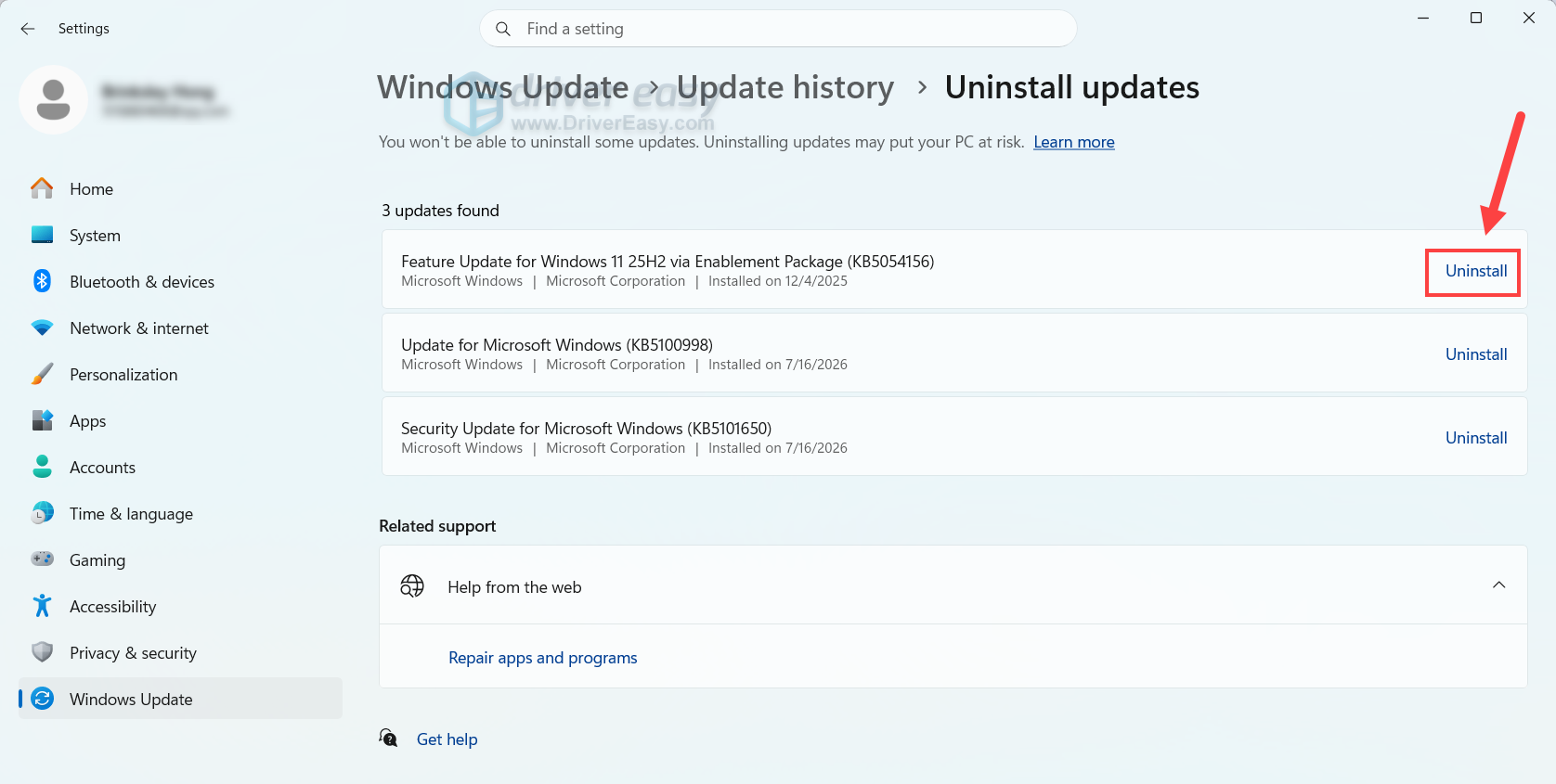
- When the process is finished, restart your PC and see if the problem persists.
If you don’t have available updates or nothing happened after the update, you can move to the next fix.
Fix 4: Repair system files
Corrupted and missing system files and corrupted Windows installations could be the culprit of the Windows 11 Start menu not working issue. You need to scan your whole system to identify and repair the corruption. Windows includes two built-in tools for repairing these files: System File Checker (SFC) and Deployment Image Servicing and Management (DISM). Running both scans is recommended.
Step 1. Run System File Checker (SFC)
1) On your keyboard, press the Windows logo key and R at the same time to open the Run box. Type cmd and press Ctrl+Shift+Enter to run Command Prompt as administrator.
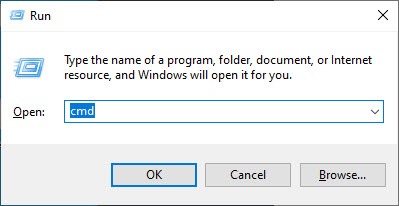
Click Yes when prompted for permission to make changes to your device.
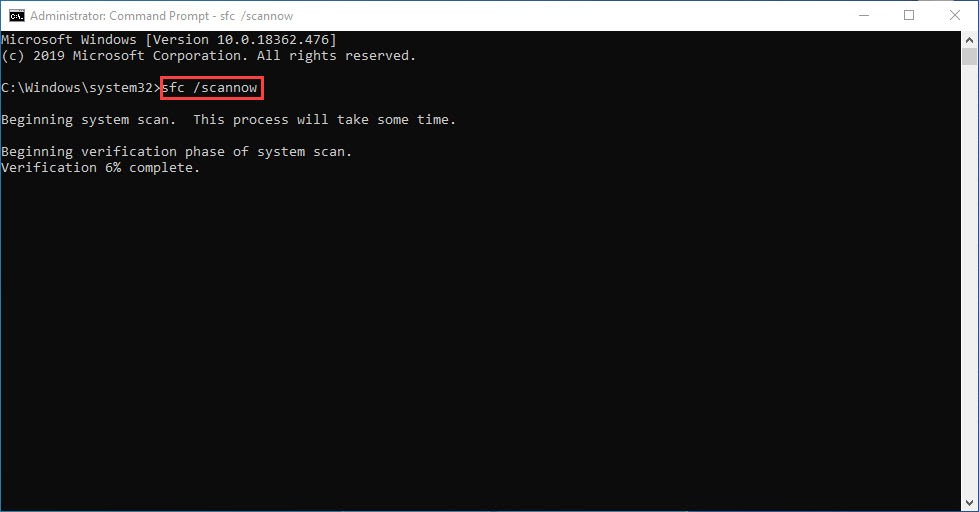
2) In the Command Prompt, type the following command and hit Enter.
sfc /scannow
3) System File Check will begin to scan all system files and repair any corrupted or missing ones it detects. This may take 3-5 minutes. Wait until the scan reaches 100%
Step 2. Run DISM
1) Run Command Prompt as admin and enter the following commands.
dism.exe /online /cleanup-image /restorehealth
- If you get Error: 0x800F081F with the restore health scan, reboot your PC and run this command line.
Dism.exe /Online /Cleanup-Image /AnalyzeComponentStore
If the System File Check finds any files corrupted, follow the on-screen instructions to repair them, and then restart your computer for the changes to take full effect. Test whether the Start menu opens now. If the problem remains, continue to the next fix.
Fix 5: Update your graphics, chipset, and keyboard drivers
Although Start Menu issues are usually caused by Windows itself, outdated or incompatible drivers can sometimes interfere with the Windows Shell – especially after a major Windows update. Updating your graphics driver, chipset driver, keyboard driver, and HID (Human Interface Device) driver is most likely to resolve the issue.
Option 1 – Manually – You can download the latest drivers from your PC or motherboard manufacturer’s website, or directly from the hardware manufacturer, such as NVIDIA, AMD, or Intel. Be sure to install drivers that match your exact Windows version and hardware model.
Option 2 – Automatically (Recommended) – If you don’t have the time, patience, or technical knowledge to update drivers manually, you can do it automatically with Driver Easy.
Driver Easy will automatically recognize your system and find the correct drivers for it. You don’t need to know exactly what system your computer is running, you don’t need to risk downloading and installing the wrong driver, and you don’t need to worry about making a mistake when installing.
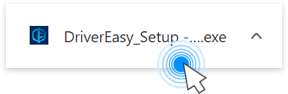
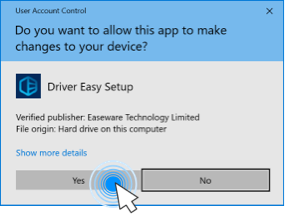
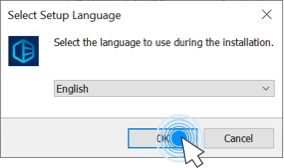
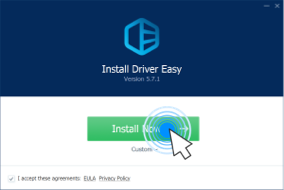
- Download and install Driver Easy.
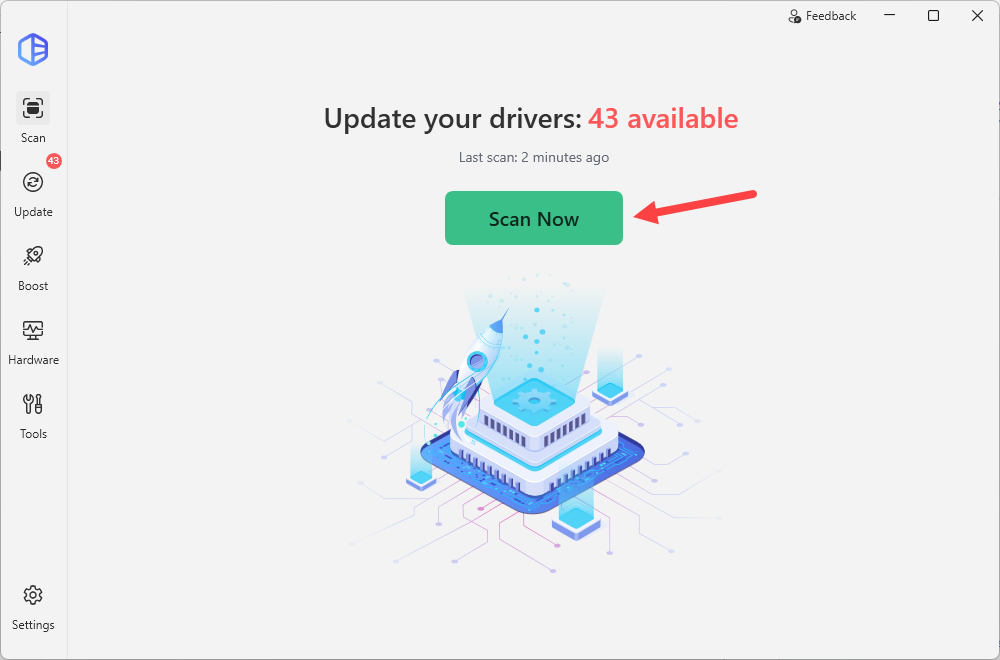
- Run Driver Easy and click the Scan Now button. Driver Easy will then scan your computer and detect any problem drivers.
- Click the Update button next to the flagged driver to automatically download the correct version of that driver. Or click Update All to automatically download and install the correct version of all the drivers that are missing or out of date on your system.
(This requires the Pro version – you’ll be prompted to upgrade when you install drivers. The Pro version provides hassle-free driver updates and full technical support for you to keep your PC running smoothly. If you’re not ready to purchase now, you can try all the Pro features with the 7-day free trial.)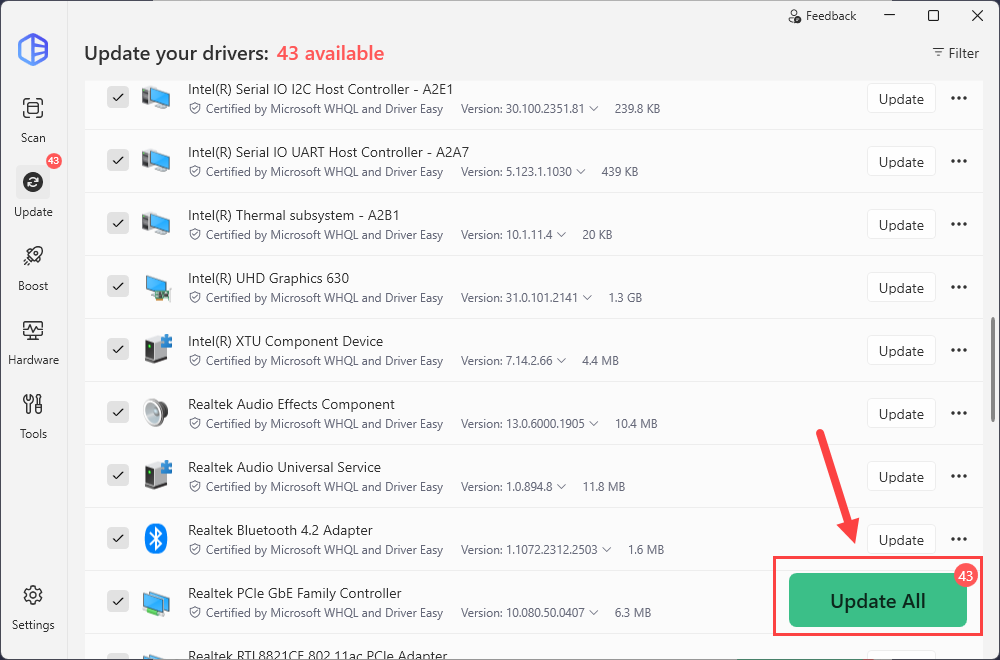
Fix 6: Re-register the Start Menu
If the Start Menu files become corrupted, re-registering Windows apps can rebuild the affected components.
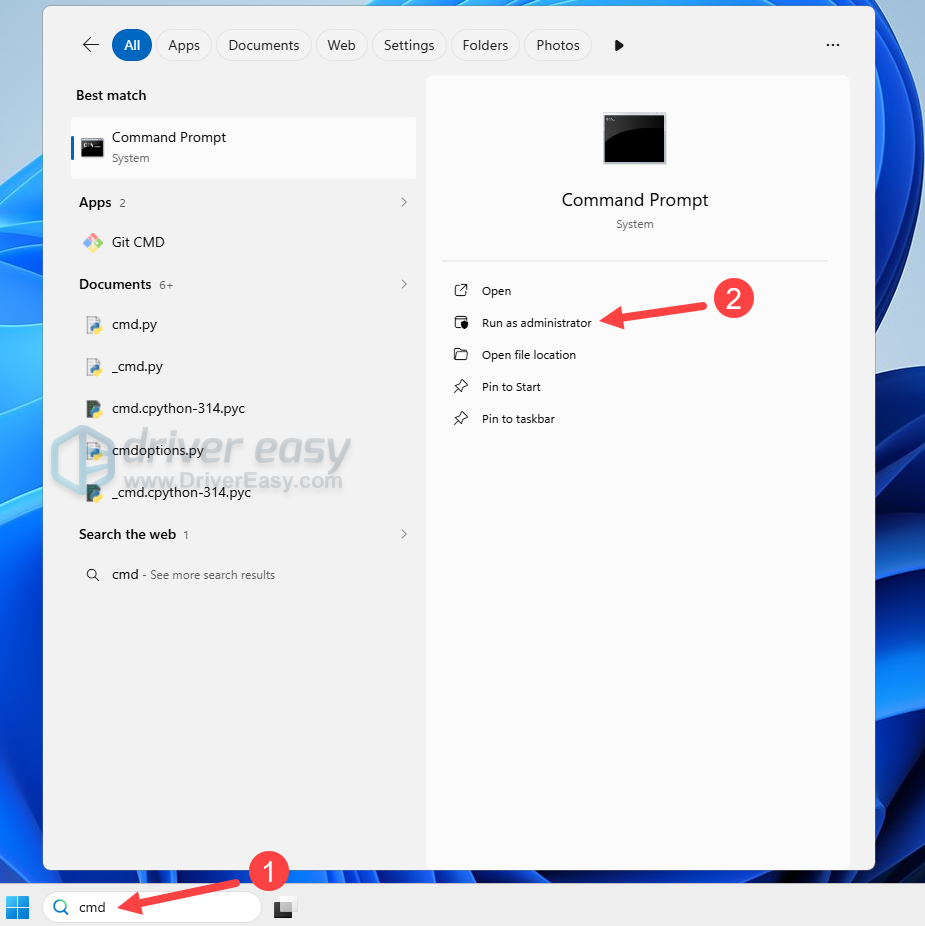
- Type cmd into the Windows search bar and click Run as administrator for Command Prompt.
- Copy and paste the following command, then press Enter:
Get-AppxPackage -AllUsers | Foreach {Add-AppxPackage -DisableDevelopmentMode -Register "$($_.InstallLocation)\AppXManifest.xml"}
The process may take several minutes. When it’s finished, test the Start menu. If it’s still not working, proceed to the next fix.
Fix 7: Create a new Windows user account
Sometimes the problem isn’t Windows itself, but your user profile.
If your Windows profile becomes corrupted, the Start Menu may stop working even though Windows is otherwise functioning normally. Creating a new local account is a quick way to determine whether your profile is the cause.
- Press Windows + I to open Settings.
- Go to Accounts > Other users.
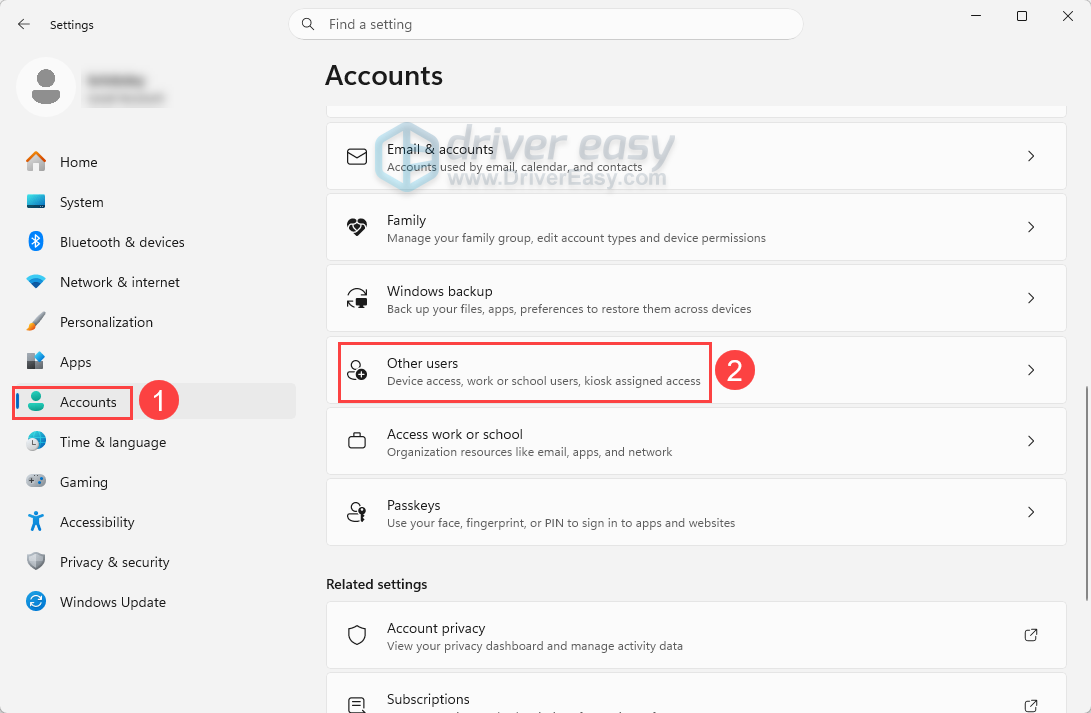
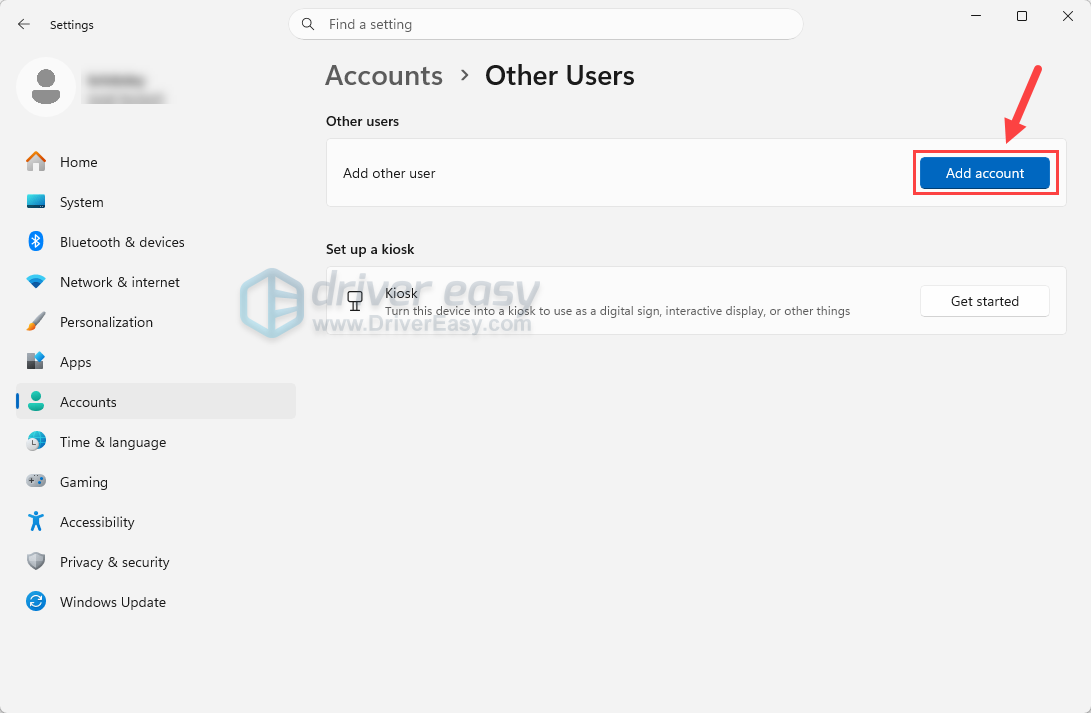
- Click Add account.
- Select I don’t have this person’s sign-in information.
- Choose Add a user without a Microsoft account.
- Create a temporary local account.
Sign in to the new account. If the Start Menu works normally in the new account, your original Windows profile is likely corrupted. In that case, you can either:
- Continue using the new account.
- Move your personal files to the new profile.
- Repair or recreate the old profile.
If the Start Menu still doesn’t work in the new account, try the solution below.
Fix 8: Reset Windows (last resort)
If none of the fixes above work, Windows itself may be severely corrupted. Resetting Windows reinstalls the operating system while allowing you to keep your personal files.
- Press Windows + I to open Settings.
- Navigate to System > Recovery.
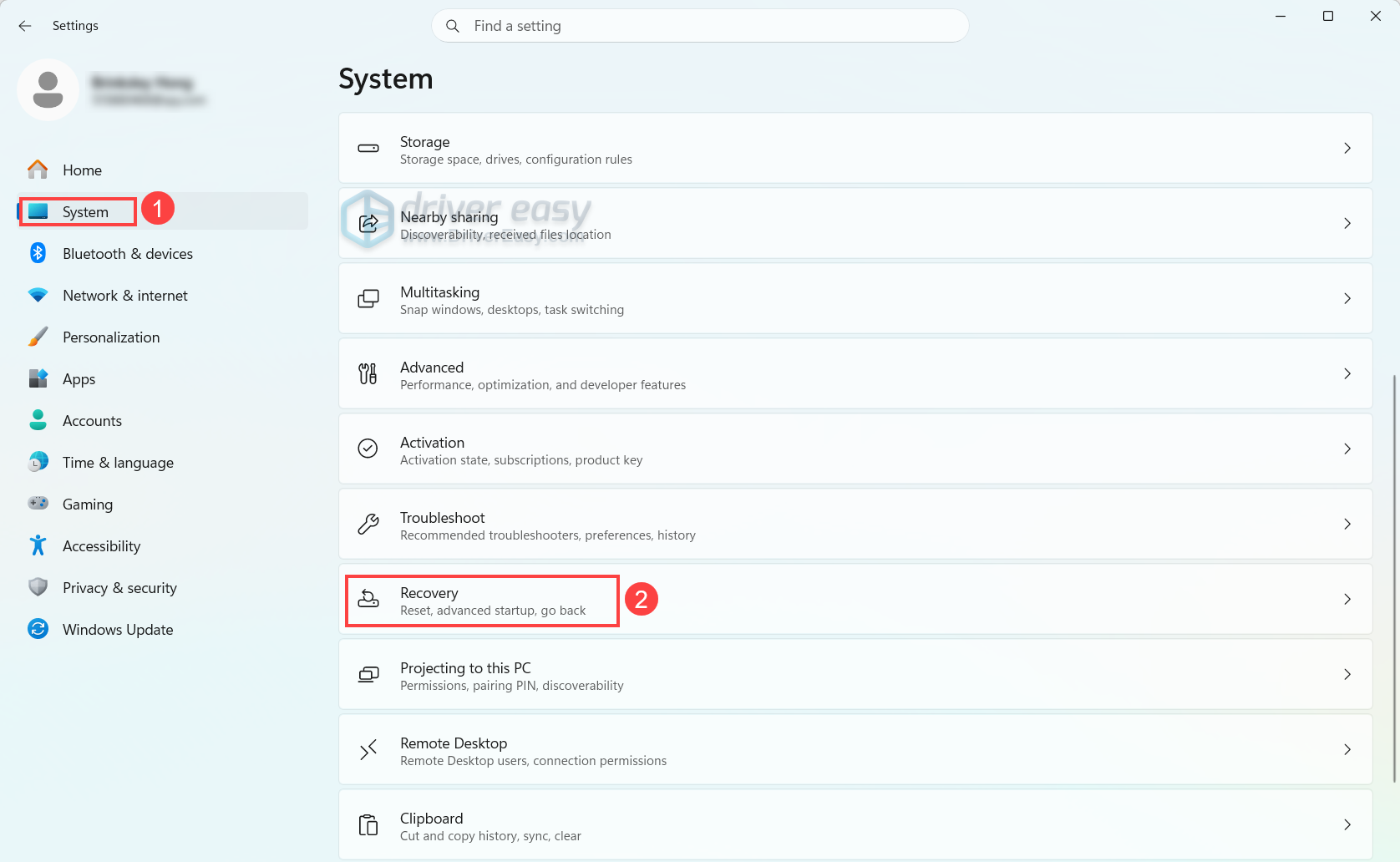
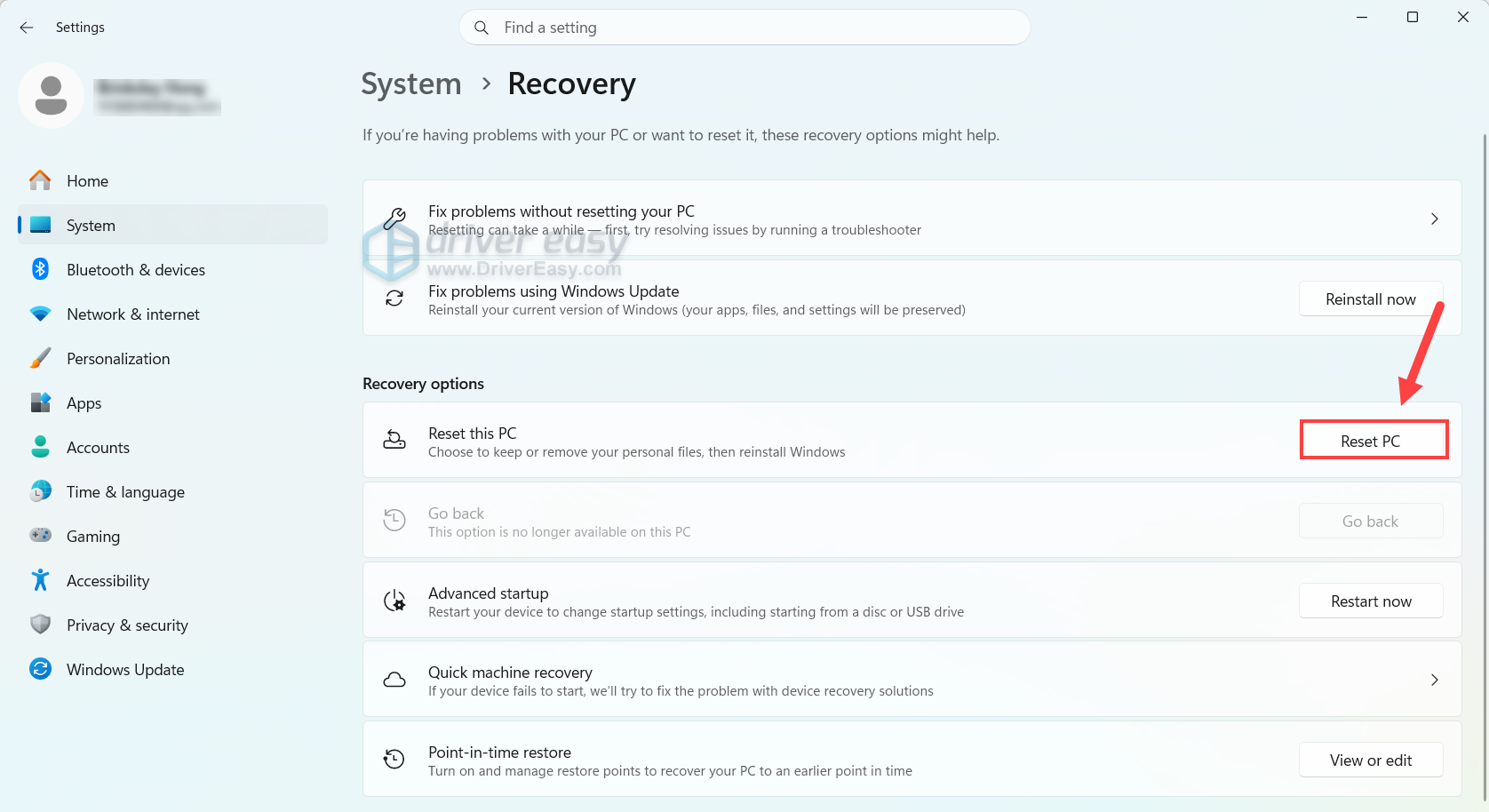
- Click Reset PC under the Recovery option.
- Select Keep my files.
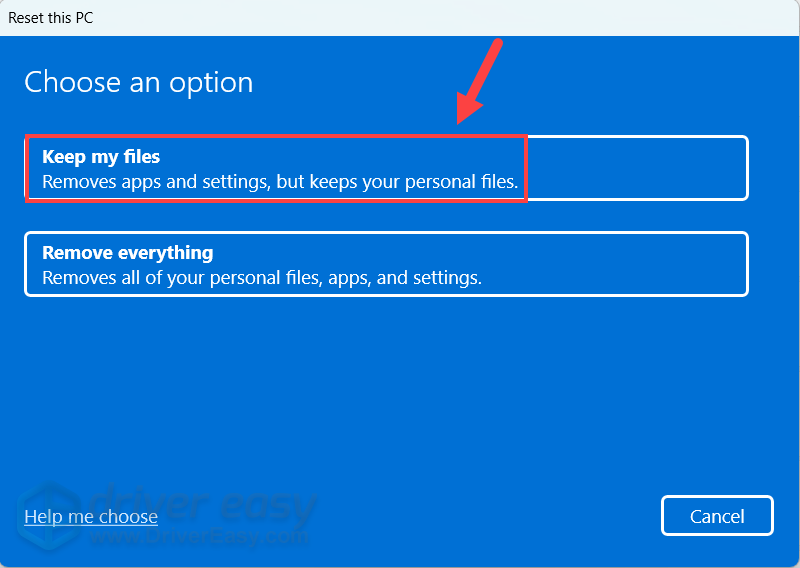
Follow the on-screen instructions to complete the reset process, which may take 30 – 90 minutes.
If your Windows 11 Start Menu isn’t working, don’t panic. In most cases, the issue can be resolved easily. By following the fixes above in order, from the simplest to the most advanced, you’ll have the best chance of restoring your Windows 11 Start Menu quickly and safely.
If you have any questions or found another solution that worked for you, feel free to leave a comment below.
