




Few things kill the mood faster than Destiny 2 crashing in the middle of a Crucible match, freezing during a raid encounter, or suddenly kicking you back to desktop right before a boss kill.
The good news? In most cases, the problem isn’t your hardware. Destiny 2 crashes are usually caused by corrupted game files, driver issues, anti-cheat conflicts, unstable memory settings, or software running in the background.
To help you identify the cause and get back into the game, we’ve scrolled through several game communities, Reddit troubleshooting threads, and real-world PC diagnostics to put together this comprehensive, step-by-step guide.
Why does Destiny 2 keep crashing on PC?
Destiny 2 runs on Bungie’s in-house Tiger Engine and relies heavily on real-time asset streaming. It also uses the BattlEye anti-cheat service, which operates at a low system level while the game is running. As a result, underlying issues such as unstable memory settings, corrupted game files, driver conflicts, or software interference may be more noticeable in Destiny 2 and can sometimes lead to crashes, freezes, or launch problems.
If you encounter the crashes with an error code, we have more specific guides to help you troubleshoot:
- Destiny 2 BROCCOLI Crash
- Destiny 2 Error Code: bee
- Destiny 2 Error code: weasel
- Error code: Centipede
8 quick fixes for Destiny 2 crashing
You don’t have to try them all; just work your way down the list until you find the one that works for you.
- Verify the integrity of game files
- Clear the DirectX shader cache
- Update your device drivers
- Disable overlays and background monitoring tools
- Reinstall BattleEye
- Set SFX volume to 0
- Turn off overclocks
- Adjust the in-game settings
Method 1 – Verify the integrity of game files
Missing or corrupted game assets frequently cause the game engine to collapse during area transitions or item loading sequences. You can run a scan and let the game client repair the corrupted game files automatically.
On Steam:
1) Launch Steam and go to your Library. Right-click Destiny 2 and select Properties.
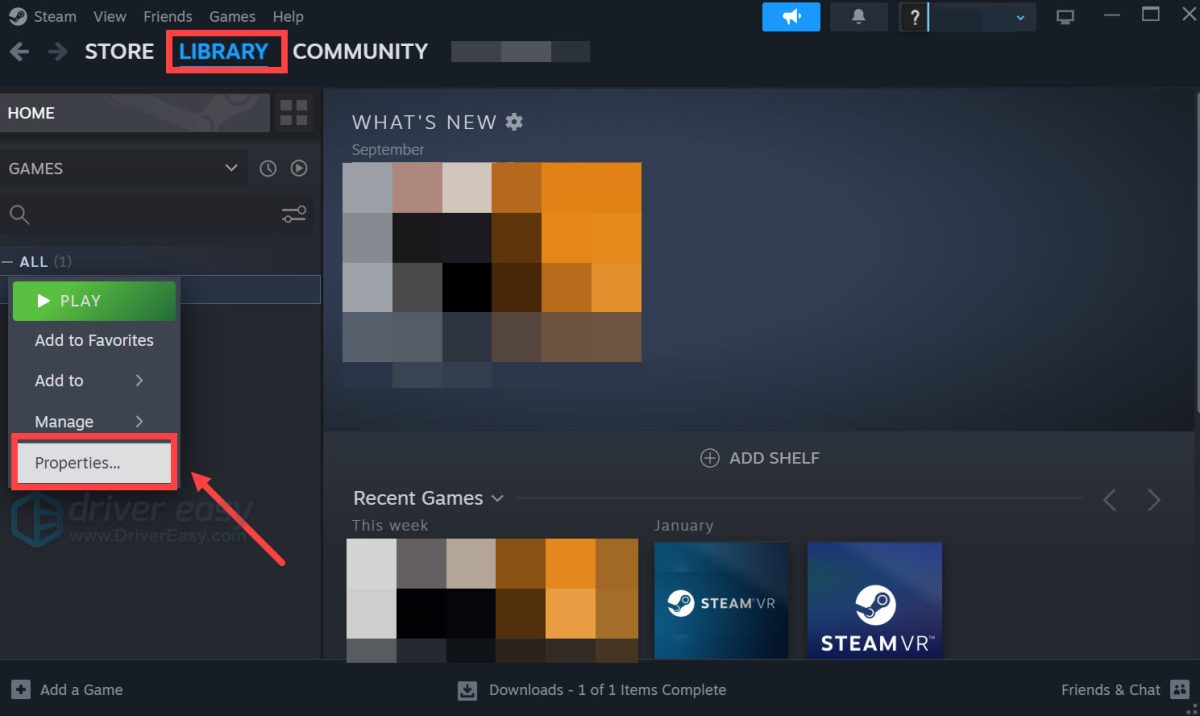
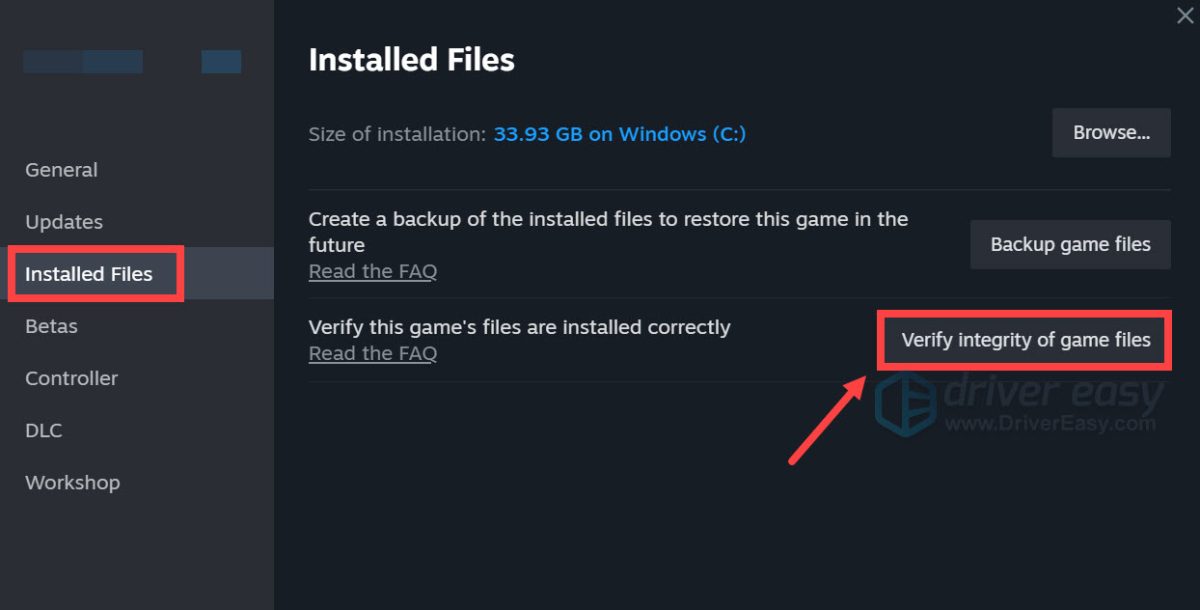
2) Navigate to the Installed Files tab in the left menu. Click Verify integrity of game files.
On Epic Games:
1) Open the Epic Games Launcher and click My Game Library in the left pane.

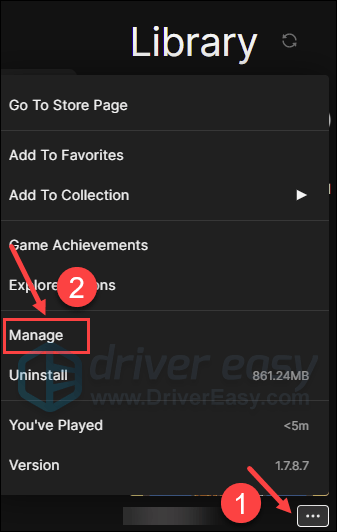
2) Locate Destiny 2, click the three dots (…) icon underneath the game tile, and select Manage.
3) Click the Verify button.
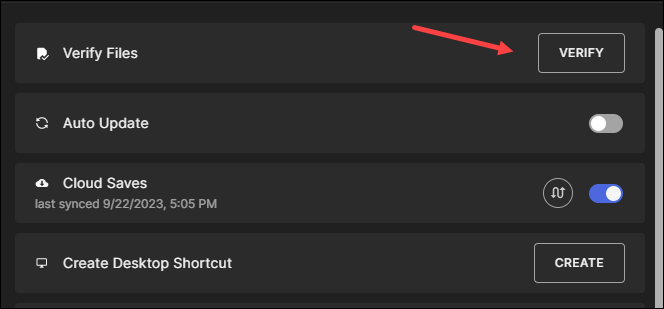
Allow the verification scan to hit 100%. If any corrupted files are detected, the launcher will automatically redownload them. Once done, you can launch the game and fly to a busy social space (like the Tower) to test stability.
Method 2 – Clear the DirectX shader cache
After graphics driver updates or major Destiny 2 patches, shader cache corruption can cause game crashes, stutters, or black screens. Here’s how to completely remove the shader cache:
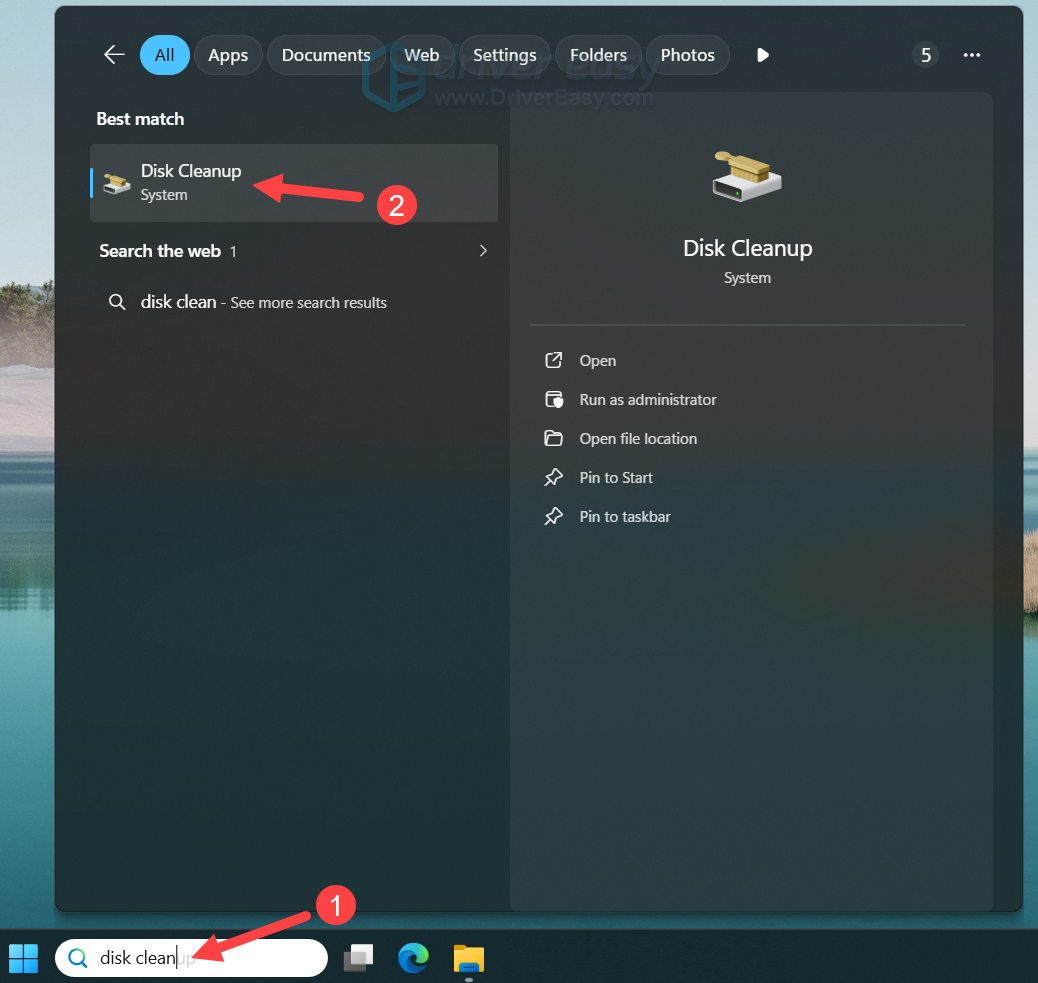
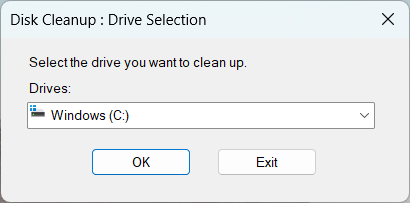
1) Open your Windows Search bar, type disk clean, and click Disk Cleanup.
2) Select your main operating system drive (usually C:) and click OK.
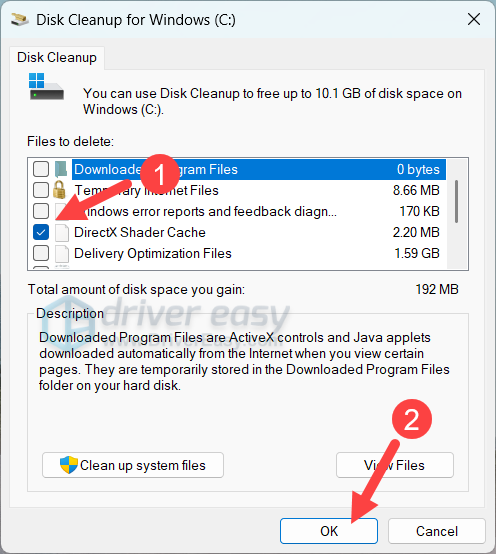
3) In the list of files to delete, scroll down and check DirectX Shader Cache. Uncheck everything else if you do not want to clean other files. Click OK.
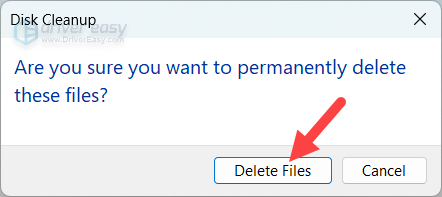
4) Click Delete files.
Restart the PC and launch the game to test.
Method 3 – Update your device drivers
Outdated or corrupted drivers are one of the leading causes of Destiny 2 crashes.
Graphics drivers control how your system communicates with the GPU, while chipset drivers help Windows manage CPU, memory, and PCIe communication. When either becomes corrupted, the game crashes, and instability can occur. For the best and smooth gaming experience, you should keep the device drivers on your computer updated. And there are two options:
Option 1 – Manual driver update
You can download the latest graphics driver from your GPU manufacturer’s website: NVIDIA, AMD, and Intel. And you can get the chipset driver package from your motherboard manufacturer or CPU vendor.
For persistent crashes, consider performing a clean driver installation using DDU (Display Driver Uninstaller).
Option 2 – Automatic driver update
If you don’t want to manually search for multiple correct device drivers and install them one by one, Driver Easy handles it all for you.
Driver Easy scans your system, detects ALL outdated or problematic drivers, and installs the correct manufacturer-recommended versions. This can be useful and time-saving, especially when the crashes are caused by chipset, network, audio, or storage drivers that are easy to overlook.
Driver Easy Pro version provides automatic and seamless driver updates and full technical tools and support to improve your computer’s performance and stability. If you’re not ready to buy, don’t worry. You can try all the Driver Easy Pro features with a 7-day free trial.
1) Download and Install Driver Easy.
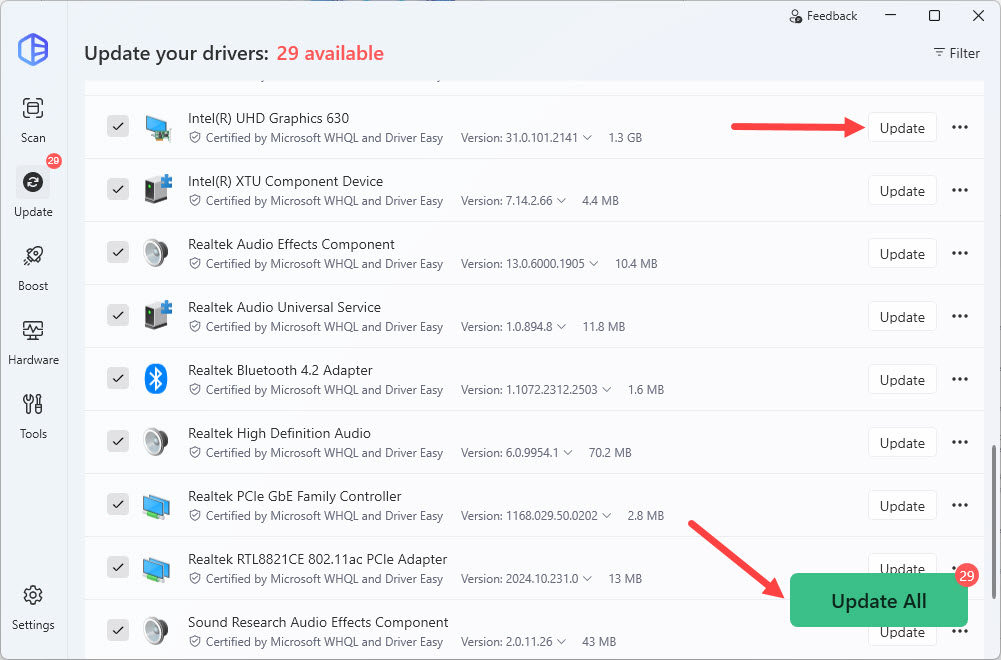
2) Run Driver Easy and click the Scan Now button. Driver Easy will then scan your computer and detect any problem drivers.

3) Click the Update button next to each device to download the latest and correct driver for it. You can also click the Update All button at the bottom right to automatically update all outdated or missing drivers on your computer.
Method 4 – Disable overlays and background monitoring tools
Destiny 2’s anti-cheat layer, BattlEye, scans for external applications attempting to hook into the game’s engine interface. If you’re using overlays or background monitoring tools, such as Discord overlay, GeForce overlay, MSI Afterburner, or RivaTuner Statistics Server (RTSS), they might trigger false positives and cause the game engine to freeze or close instantly. You can temporarily disable these tools during gameplay to see if the crashes stop.
Method 5 – Reinstall BattlEye
If Destiny 2 crashes immediately after launch or refuses to start, BattlEye may be corrupted, and you can try reinstalling the game files to repair it.
1) Open your game launcher (e.g., Steam) and go to the Library.
2) Right-click Destiny 2 and click Manage > Browse Local Files.
3) Delete the BattlEye folder.
4) Open Steam again. Go to the Library tab, right-click Destiny 2, and select Properties.
5) Select Installed Files, and click Verify Integrity of Game Files.
Wait for the process to complete. Steam will automatically download a fresh copy of BattlEye.
Method 6 – Set SFX Volume to 0
As many gamers reported, the sound effect glitches can cause the game to crash or freeze, especially during particle-heavy activities such as raids, Fireteam Ops, and large combat encounters. You can simply set the SFX volume to 0 to see if it solves the problem.
1) Open Destiny 2 and go to the Settings menu.
2) Navigate to the SOUND tab, and set SFX volume to 0.
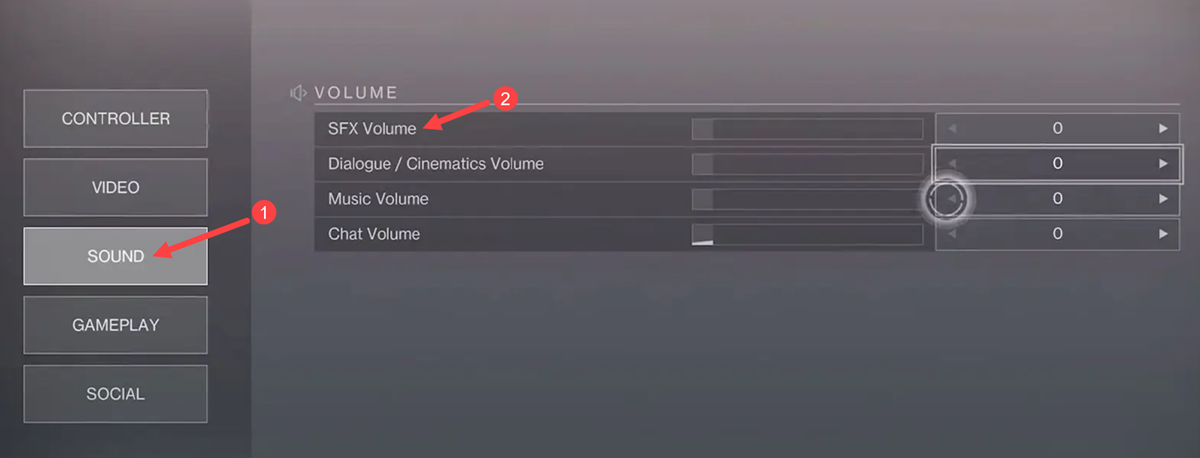
If the game closes before you can even enter the Settings menu, you can force this setting by editing Destiny 2’s hidden initialization file.
1) Press the Windows logo Key + R to open the Run dialog box.
2) Paste the following path into the box: %appdata%\Bungie\DestinyPC\prefs and press Enter.
3) Right-click the file named cvars.xml and select Open with > Notepad.
4) Press Ctrl + F on your keyboard and search for vfx_volume. Change the value from its default to 0. The line should look like <cvar name=”sound_vfx_volume” value=”0″>.
If this trick doesn’t work, change the volume back to the default value and move on to the next method.
Method 7 – Turn off overclocks
High clock speeds of your hardware components can undermine the stability of your running programs. And that can be the reason why your game crashes frequently.
- If you have overclocked your components like CPU, GPU, or RAM, set their clock speeds back to the default.
- If you haven’t overclocked them, decrease their clock speeds by about 10 percent.
Method 8 – Adjust the in-game settings
Many Destiny 2 crashes are reported to be linked to Intel Core Ultra 200 series. Common symptoms include random crashes to desktops and the 0xc0000409 error. To stabilize the game, you can adjust the graphics settings to reduce the strain on the CPU.
- Cap FPS to 60
- Lower Shadow Quality
- Lower Environment Detail
- Lower Character Detail
If tweaking the settings still doesn’t work, consider updating your BIOS. Intel Core Ultra chips heavily rely on the motherboard’s power delivery. Outdated BIOS versions frequently push unstable voltages that cause sudden game crashes.
Most Destiny 2 crashes come down to a handful of common causes: corrupted files, driver conflicts, overlay software, anti-cheat issues, or unstable system settings.
Start with game file verification, shader cache cleanup, and driver updates. These three fixes alone resolve a large percentage of crash reports. If the issue persists, work through the remaining steps, and you’ll usually be able to identify the root cause.
