




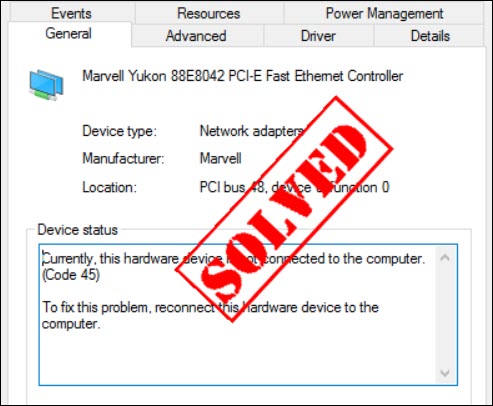
If you see Code 45 in Device Manager, Windows is reporting that the hardware device is currently not present or connected. This does not necessarily mean the device or its driver is broken. In many cases, Code 45 simply disappears after you reconnect the device.
Follow the steps below to troubleshoot this issue easily and quickly.
Try these fixes
Here are 4 ways to fix code 45 on the Windows computer. You don’t have to try them all; just work your way down the list until you find the one that does the trick.
- Reconnect the device and check the connection
- Reinstall your device driver
- Install available Windows updates
- Run System File Checker and DISM
Fix 1: Reconnect the device and check the connection
This is the first thing to try because Code 45 specifically indicates that Windows does not currently detect the device.
If you’re troubleshooting a USB device, external hard drive, Bluetooth adapter, printer, or other removable hardware, disconnect it and reconnect it to test.
For USB or wired devices
- Disconnect the device from your computer.
- Check the cable and connector for visible damage.
- Try a different USB port, preferably a port directly connected to the PC rather than a USB hub. And if possible, try a different compatible cable.
- Connect the device again and wait a few seconds.
- Open Device Manager and check whether the device appears normally.
For Bluetooth devices
If the affected device is a Bluetooth peripheral, such as a mouse, keyboard, or headset:
- Open Settings > Bluetooth & devices.
- Make sure Bluetooth is turned on.
- Remove the affected device if it is already listed.
- Put the device into pairing mode.
- Select Add device and pair it with your PC again.
If Code 45 appears for an internal device such as a Wi-Fi adapter, touchpad, or other built-in hardware, and you cannot physically reconnect it like a USB device, try the fixes below first.
Fix 2: Reinstall your device driver
When the error message says your hardware device is not connected to the computer, chances are your device driver is outdated or corrupted. In this case, manually reinstalling your device driver may help you out.
Step 1: Uninstall the device driver
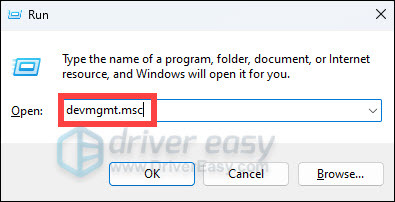
- On your keyboard, press the Windows logo + R keys simultaneously to open the Run box. Then enter devmgmt.msc and hit Enter.
- In the Device Manager window, locate the device that’s giving you Code 45.
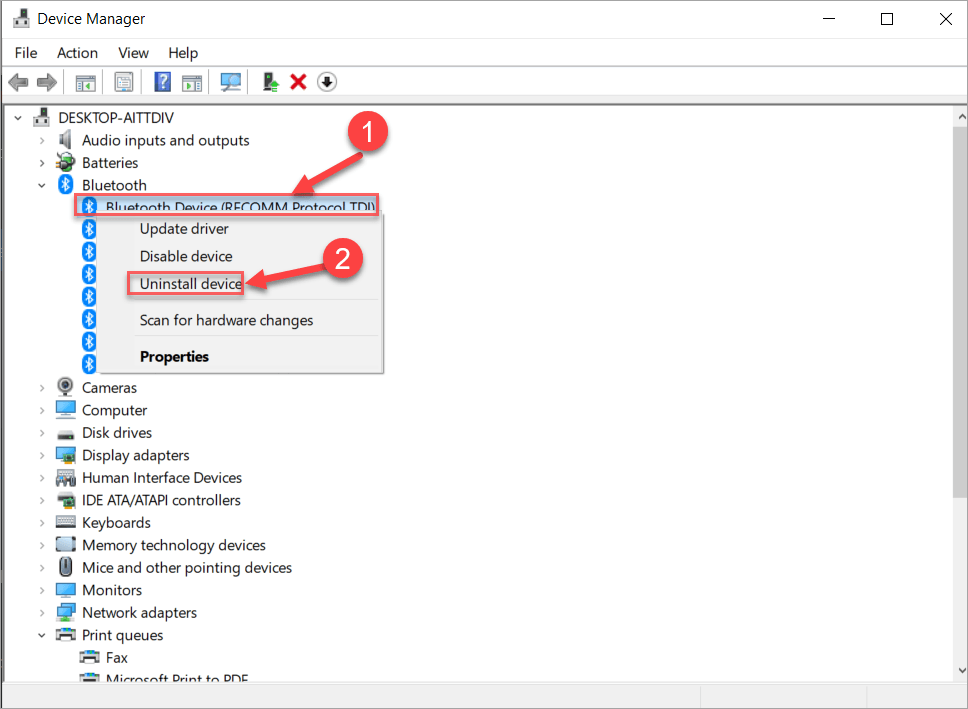
- Right-click on that device entry and select Uninstall device.
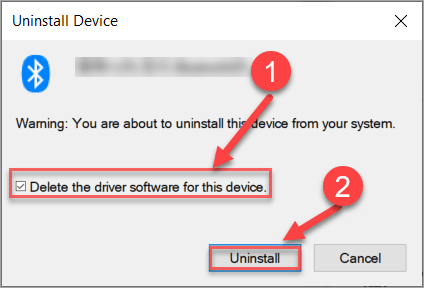
- Tick the checkbox for Delete the driver software for this device and click Uninstall (if you’re prompted for confirmation).
- Restart your computer, and reconnect your physical device, if applicable.
- After the restart, Windows should detect the connected hardware and automatically install the driver for it.
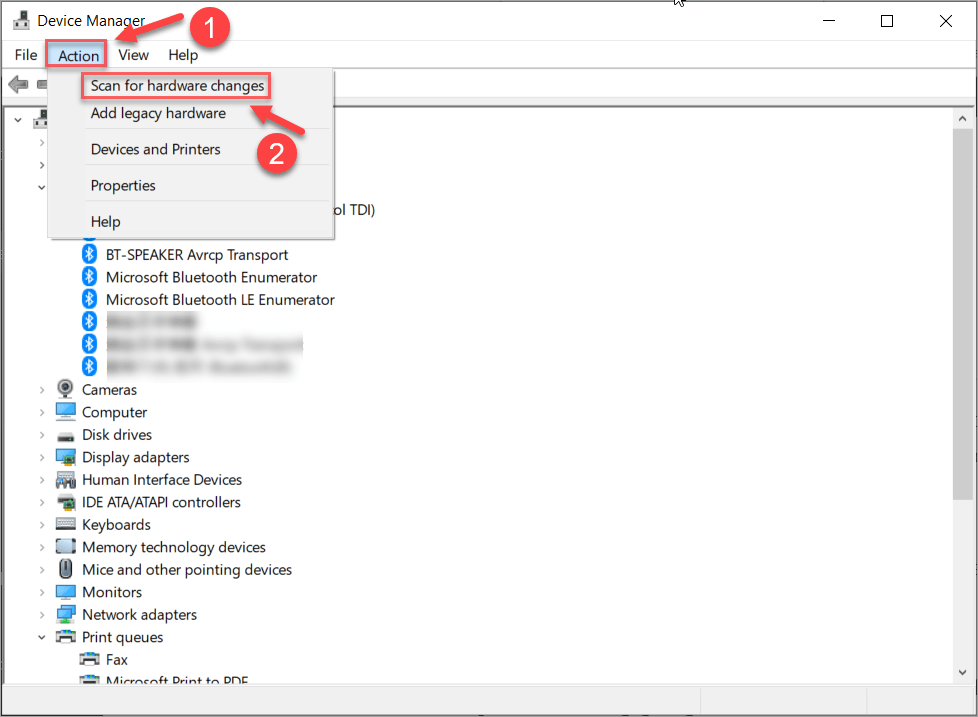
- In Device Manager, click Action on the menu bar and select Scan for hardware changes. Check if your device driver appears normally without the error code 45.
Step 2: Reinstall device driver
Windows usually installs a generic, compatible driver for your devices. This is often enough to get the device recognized again, but the driver may not be the latest version or include all the features and fixes provided by the device manufacturer.
If the device is still missing, shows Code 45, or doesn’t work properly, try installing the latest driver specifically designed for your device. You can download it from the device manufacturer’s official website and install it manually.
Alternatively, you can use Driver Easy to scan your PC and automatically find and install the appropriate driver for your hardware. This can save you the hassle of identifying your exact device model, finding the correct driver version, and going through the manual installation process.
Driver Easy also provides convenient tools for driver backup, rollback, and uninstall, which can be helpful when troubleshooting driver-related problems.
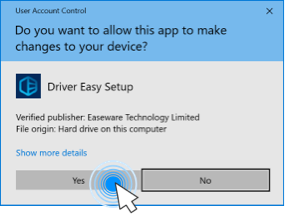
- Download and install Driver Easy.
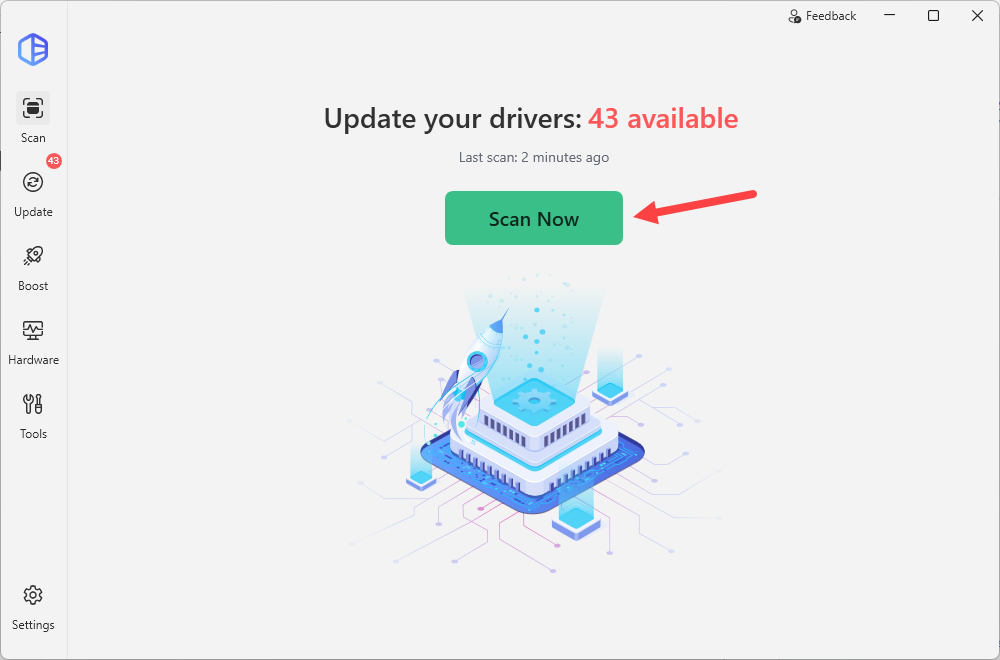
- Run Driver Easy and click the Scan Now button. Driver Easy will then scan your computer and detect any problem drivers.
- Click the Activate & Update button next to the flagged device to automatically download and install the correct version of this driver. Or click Update All to automatically download and install the correct version of all the drivers that are missing or out of date on your system.
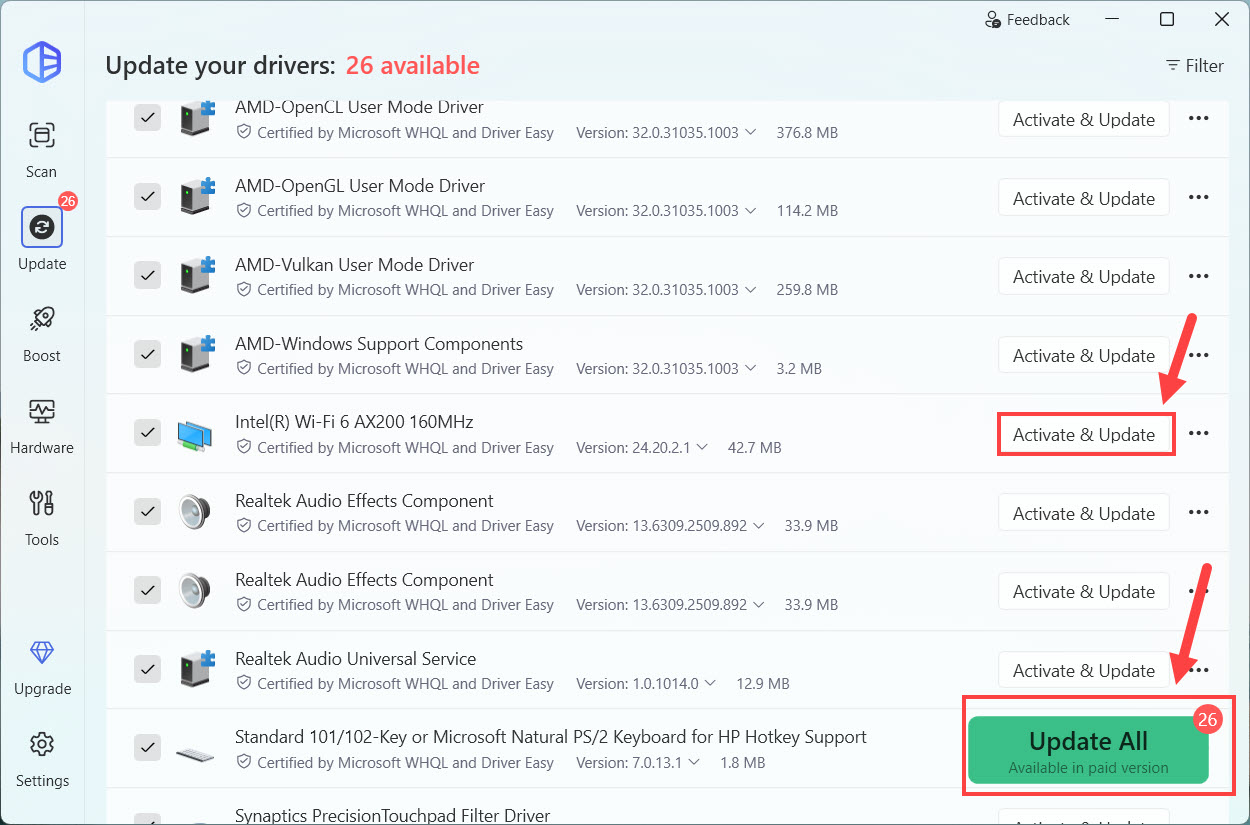
When you click the buttons, you’ll get a prompt to upgrade. The Pro version provides automatic driver updates plus advanced technical features and full support. If you’re not prepared to purchase the Pro version yet, you can start a 7-day free trial to try out all Pro features like fast downloads and easy installation. No charges will occur until after your trial ends.
After updating, restart your computer to apply the changes.
Once you’ve reinstalled your device driver, check if the issue has been solved. If the problem is still there, check out the next fix below.
Fix 3: Install available Windows updates
Windows updates can include hardware compatibility improvements, bug fixes, and driver updates. If your device suddenly stopped working after a Windows update, an available newer update may also contain a fix.
- On your keyboard, press the Windows key + I to open Settings.
- Select Windows Update and click Check for updates.
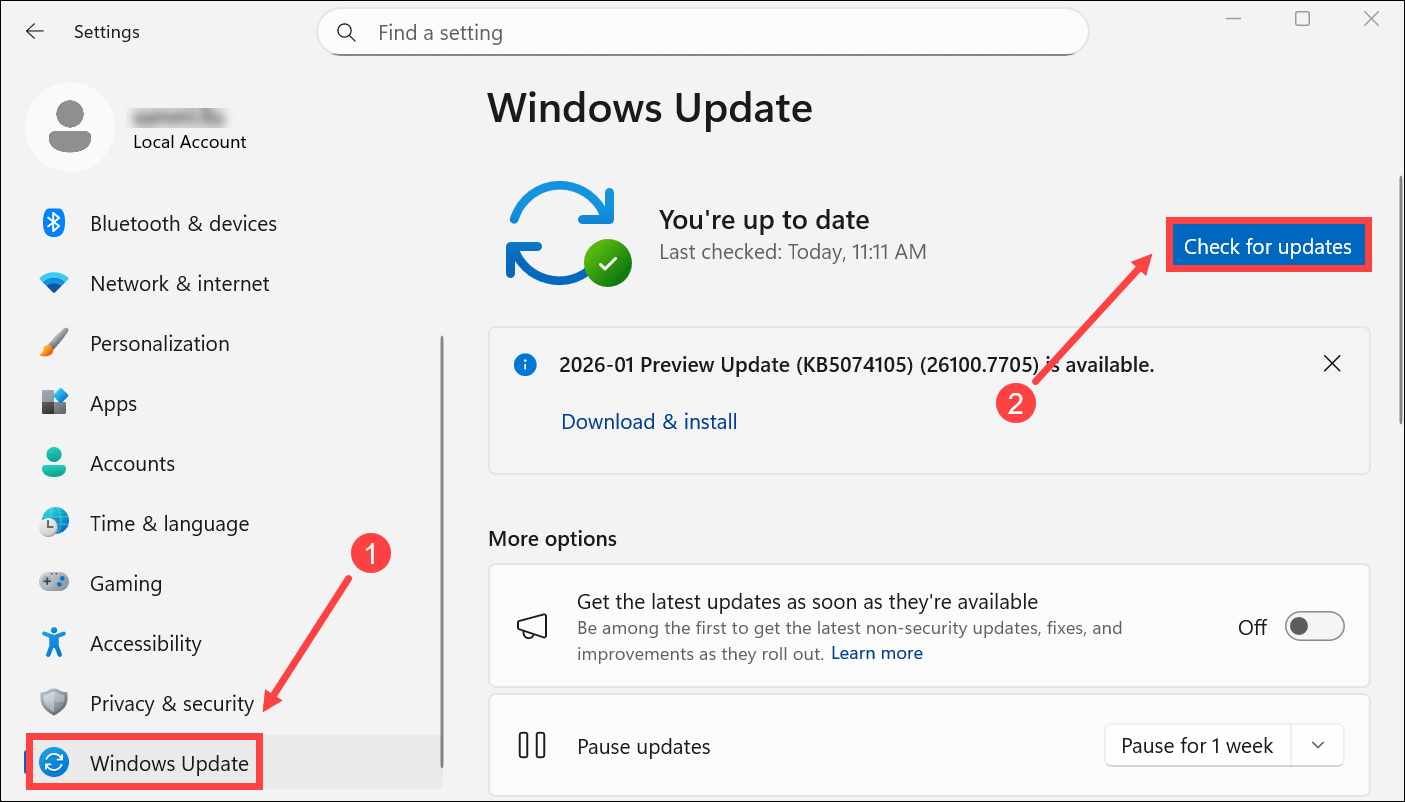
- Install any available updates and restart your computer.
Reconnect the affected device to your PC and see if it works properly. If the problem remains, continue below.
Fix 4: Run System File Checker and DISM
If Code 45 is accompanied by other Windows problems – for example, missing system components, repeated system errors, or unusual hardware-detection behavior – try checking for corrupted Windows system files.
Step 1: Run System File Checker
Start by running System File Checker (SFC), a built-in Windows tool that scans and repairs corrupted system files.
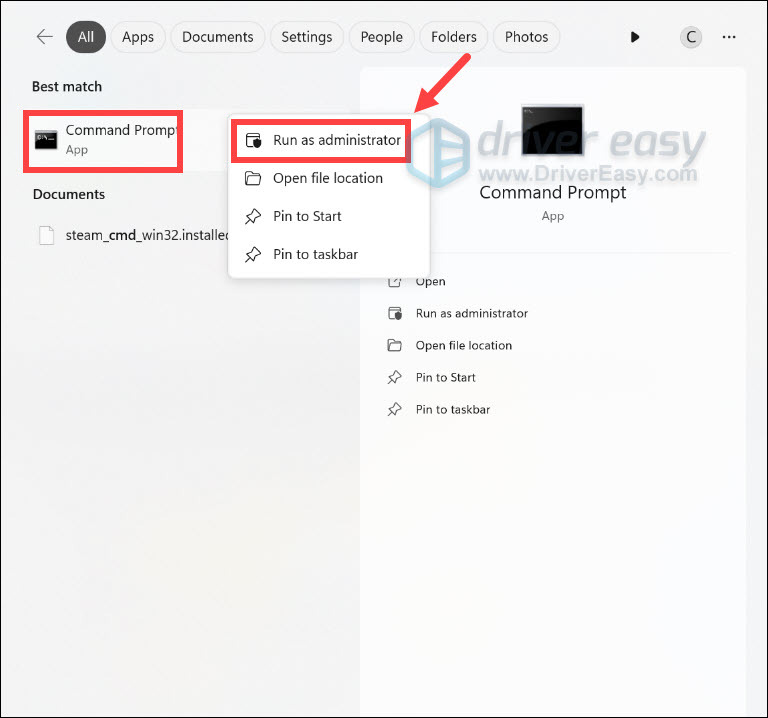
- On your keyboard, press the Windows logo key. Then enter cmd.
- Right-click Command Prompt to select Run as administrator, and then click Yes if prompted for permission.
- Once you see the command prompt, type
sfc /scannowand press Enter.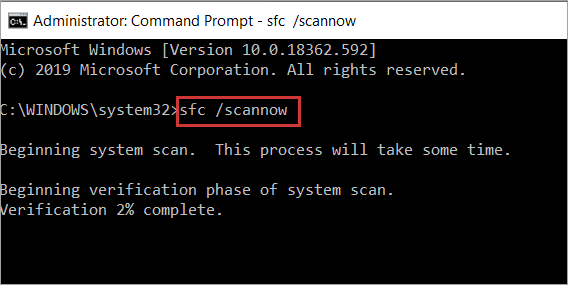
- Windows will now verify the system files and automatically fix any detected issues. (If the command returns other error messages, check this Microsoft tutorial for further instructions.)
- Once the verification is complete, exit the Command Prompt.
- Reconnect your hardware device and see if it’s working properly.
Step 2: Run DISM
If SFC cannot fully repair the system, run DISM (Deployment Image Servicing and Management).
- On your keyboard, press the Windows logo key. Then enter cmd.
- Right-click Command Prompt to select Run as administrator.
- Click Yes if prompted for permission.
- The command prompt will once again display. Type in the command
DISM /Online /Cleanup-Image /RestoreHealthand press Enter.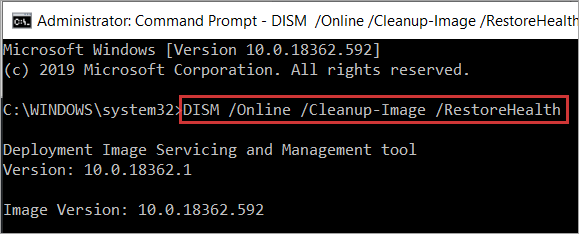
- Wait for the scan to finish (it may take up to 20 minutes).
- Restart your computer and relaunch Device Manager. Check to see if Code 45 has been fixed; if it has, then congrats! Otherwise, please move on to the next fix.
If you’ve gone through all the fixes above and the device still shows the 45 error code, check if it’s a hardware issue rather than a software one.
For an external device, test it with another cable, USB port, or computer. If it is not detected elsewhere either, the hardware itself may be faulty.
For an internal device, such as a Wi-Fi adapter or touchpad, check whether the device is enabled in BIOS/UEFI and whether your PC manufacturer’s support page provides a specific firmware update.
Hopefully, one of the solutions above helped you get your device working again. If you have questions or another solution worked for you, feel free to share it in the comments below.
