


If your PC has no sound, distorted or crackling audio, microphone problems, or an audio device that suddenly disappears, an outdated or corrupted audio driver may be part of the problem.
In this guide, we’ll show you how to update audio drivers in Windows 10 and Windows 11, starting with the easiest and safest methods.
When do you need to update your audio driver?
You don’t necessarily need to replace a stable driver simply because a newer version is available. However, driver updates may include bug fixes, compatibility improvements, stability fixes, and support for newer Windows versions or hardware features that can be beneficial for your computer.
If you’re encountering any audio issues such as no sound, audio crackling, distortion, cutting out, randomly dropping, or the microphone not working, an audio driver update is especially recommended.
Method 1: Update the driver via Device Manager
Windows built-in Device Manager lets you search for a newer driver for a specific audio device easily.
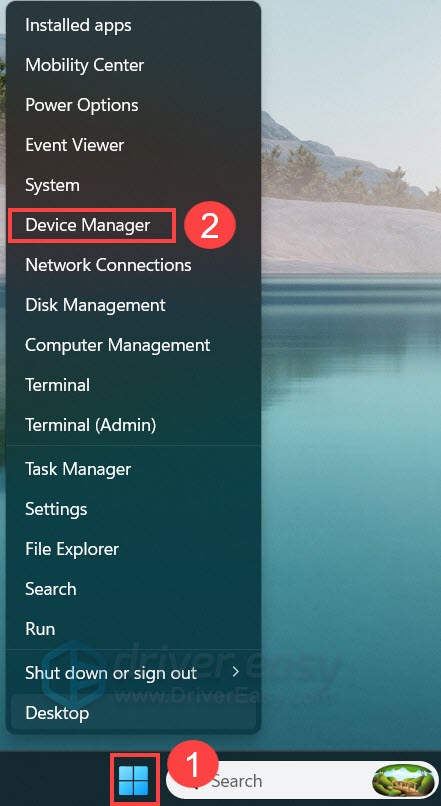
1. Right-click the Start button and select Device Manager.
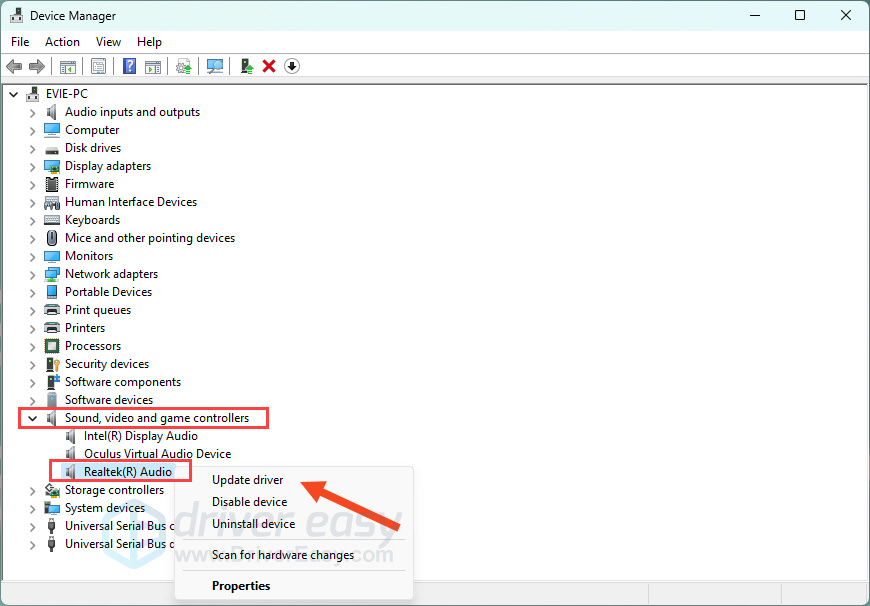
2. In Device Manager, click Sound, video and game controllers. Right-click your Audio device and select Update driver.
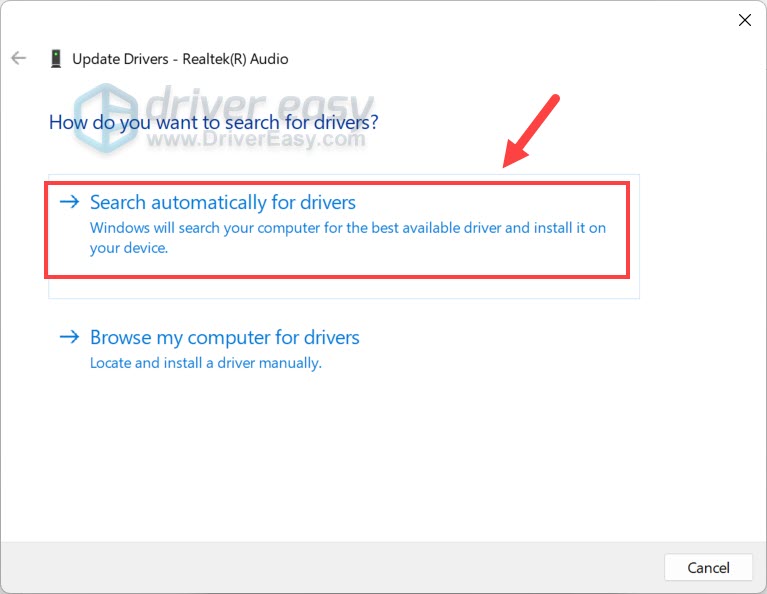
3. Select Search automatically for updated driver software.
4. Follow any on-screen instructions to install the new driver automatically.
If Windows says the best driver is already installed, which is common, that doesn’t necessarily mean that no newer driver exists. Windows doesn’t always offer the latest or most suitable audio driver for your specific PC, and the provided drivers may be a generic version. If the message appears but you’re still experiencing audio problems, try the methods below.
Method 2: Download and install the driver from the manufacturer
To make sure you’re using the best driver recommended for your exact hardware, downloading the driver directly from the manufacturer’s official support website is often one of the best manual options.
You can check your PC manufacturer’s website, such as Dell, HP, Lenovo, ASUS, Acer, or MSI, for the latest audio driver. In the steps below, we’ll use an HP laptop as an example. The process is generally similar for other PC brands:
1. Go to the HP Driver Download page. Select your product type: Laptop or Desktop.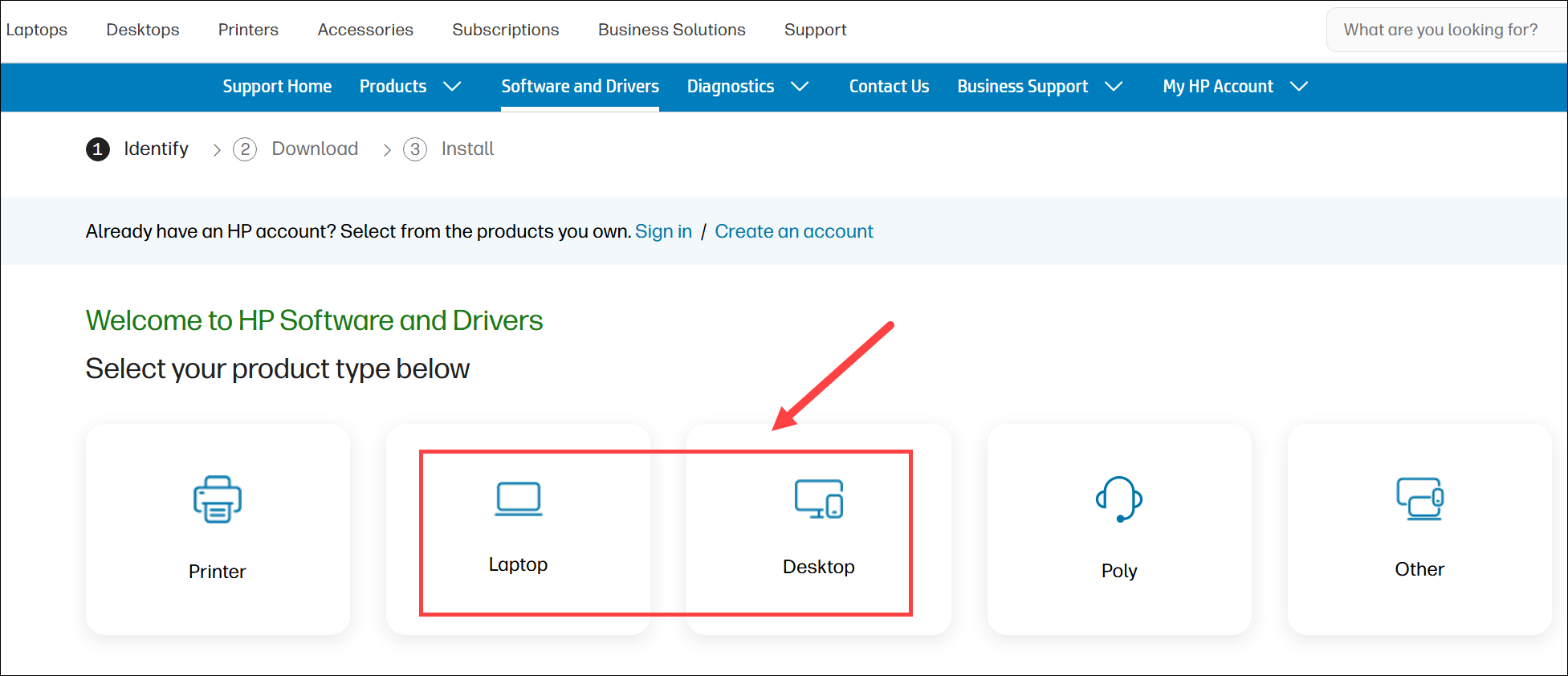
2. Enter your product or model name to find your device. 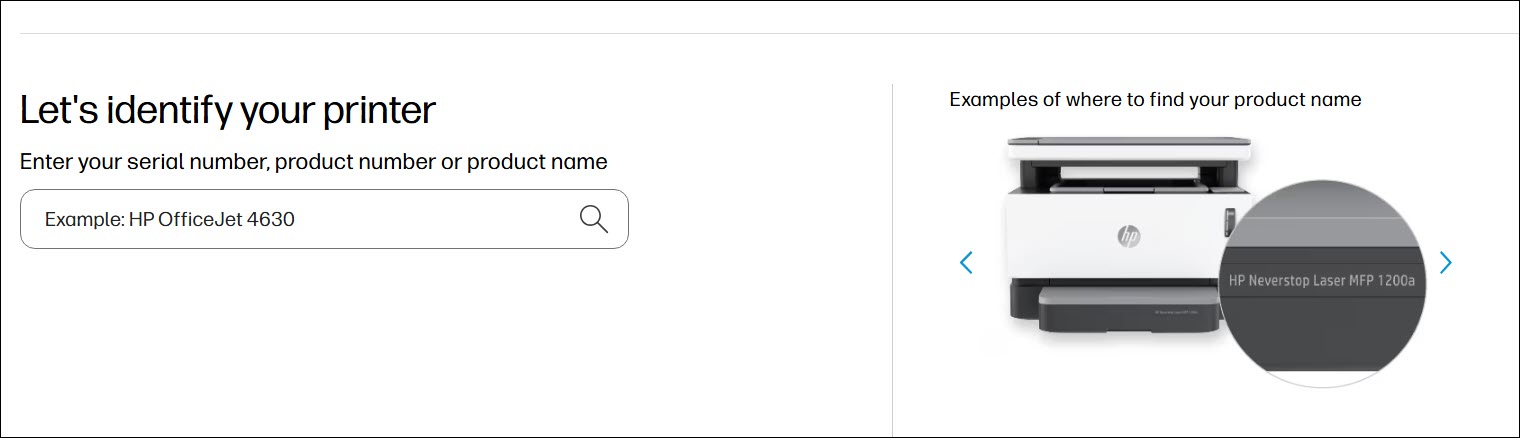
3. Select your Windows version if prompted.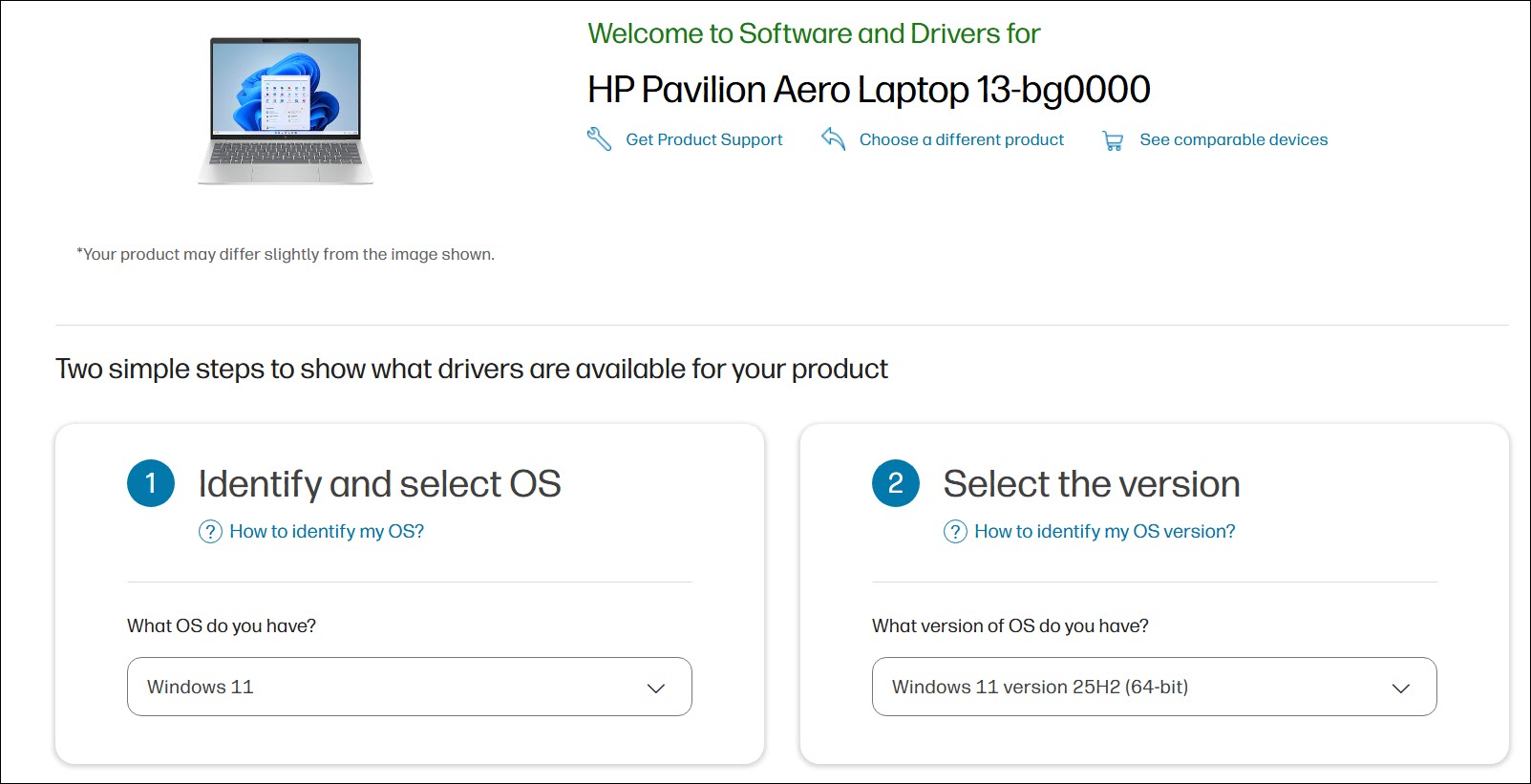
4. Scroll to the Driver – Audio section and download the latest audio driver.
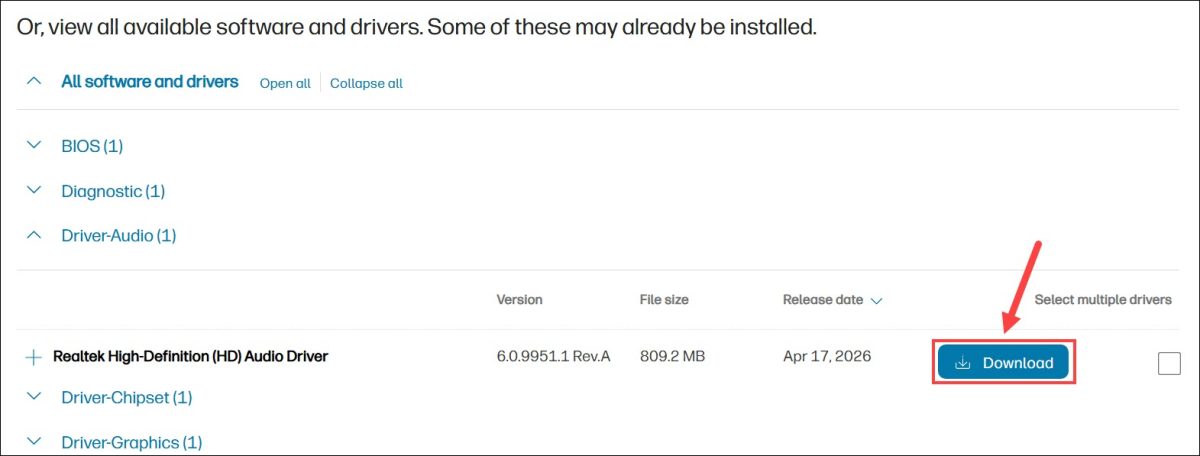
Open the downloaded installer and follow the on-screen instructions to complete the installation. Restart your computer if prompted.
If you’re using a dedicated sound card, you can also go to the sound card manufacturer’s website, such as Creative or ASUS, and search for the appropriate driver. Make sure to download the correct driver corresponding to your Windows version.
Method 3: Update the driver automatically using Driver Easy
If you want to update your audio driver automatically while optimizing your entire system’s performance in one go, let Driver Easy do the job for you.
Driver Easy automatically recognizes your system, detects missing, outdated, or corrupted drivers, and provides you with official, verified new drivers. You don’t need to keep checking updates manually or worry about installing the wrong version. It can be useful when you aren’t sure whether your audio driver is the correct version or multiple device drivers may be contributing to the problem.
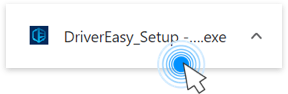
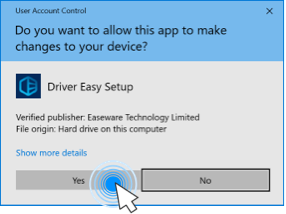
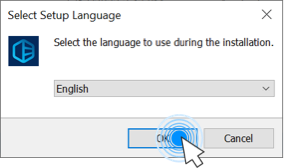
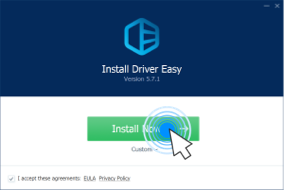
1. Download and install Driver Easy.
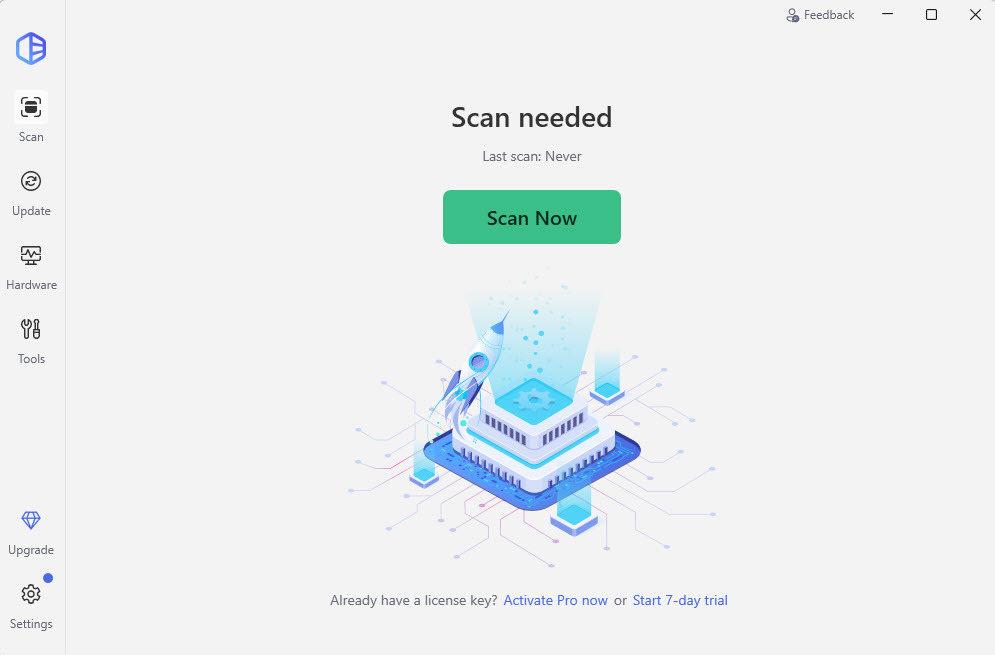
2. Click the Scan Now button. Driver Easy will detect all problem drivers instantly.
2. Click Activate & Update next to your audio driver to update it, or click Update All to automatically download and install the correct version of all the drivers that are missing or out of date on your system.
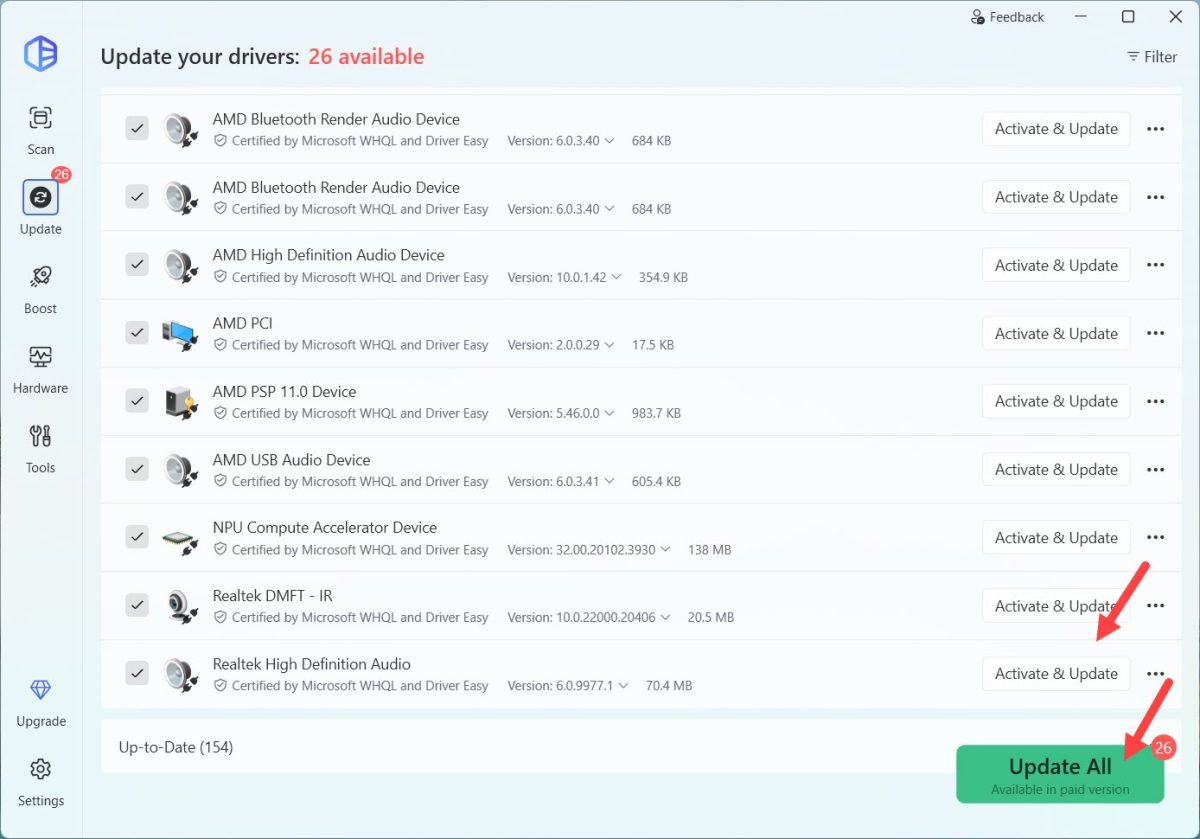
✅ You’ll be prompted to upgrade to the Pro version, which unlocks the full set of premium features, including easy driver backup and rollback plus full technical support. If you’re not ready to buy, you can start a 7-day free trial to try all the Pro features first.
What to do if updating the audio driver doesn’t fix the problem
Updating the driver isn’t always the right solution. Here are some quick solutions to troubleshoot common audio issues.
No sound after a Windows update
If your audio stopped working immediately after a Windows or driver update:
1. Right-click the Start button and click Device Manager.
2. Expand Sound, video and game controllers. Right-click your audio device and select Properties.
3. Open the Driver tab. Select Roll Back Driver, if available.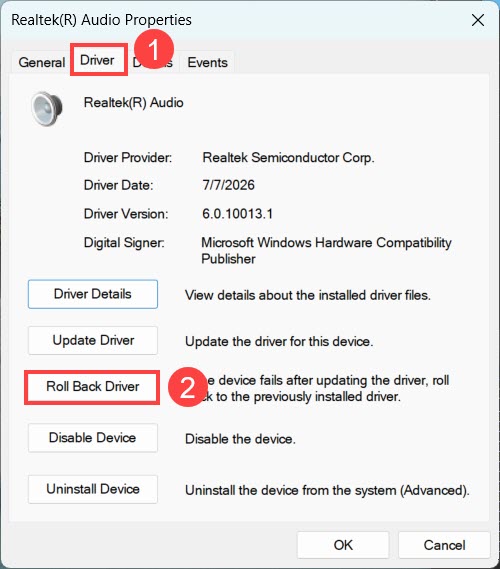
4. Choose your reason for rolling back the driver and click Yes to confirm.
Restart your PC and test the audio.
The audio device is missing
If your speakers or headphones don’t appear in Windows:
1. Open Device Manager.
2. Expand Sound, video and game controllers and look for an unknown device or a device with a yellow warning icon.
3. Install the appropriate audio driver from your PC or motherboard manufacturer’s website.
Restart the PC and check the available audio devices again.
If the audio device is still missing, the problem may involve the chipset, Intel Smart Sound Technology, USB, HDMI/DisplayPort, or hardware detection rather than the main audio driver alone. Try to update these drivers to see if the problem is fixed. To save the hassle, you can update them all at once with Driver Easy.
The driver update completed, but sound is still distorted or crackling
A driver isn’t the only possible cause of distorted audio. Try:
- Turning off Audio enhancements in Settings > System > Sound.
- Trying a different audio output device
- Checking the default audio format
- Reconnecting your speakers or headphones
- Restarting Windows audio services
For more specific fixes, read our guide: How to Fix Windows 11 Audio Crackling Issues.
Frequently Asked Questions
How do I know if my audio driver needs to be updated?
Common signs include no sound, crackling or distorted audio, microphone problems, missing audio devices, or audio problems that started after a Windows update.
However, these symptoms don’t always mean that the driver is outdated. Incorrect sound settings, audio enhancements, Windows services, and hardware problems can cause similar symptoms.
Why does Windows say my audio driver is already up to date?
Windows may not have a newer manufacturer-specific driver available through its automatic search. Check your PC or motherboard manufacturer’s support page for a driver designed for your exact model.
Should I download Realtek audio drivers directly from Realtek?
Not necessarily. If your PC uses Realtek audio, the driver from your PC or motherboard manufacturer is often the better choice because it may be customized for that specific system.
Will updating my audio driver delete my files?
Normally, updating an audio driver does not delete your personal files. However, it’s still a good idea to save your work before installing drivers or restarting Windows.
Hopefully this post helped you update your audio driver and resolve the audio issue. If you have any questions or suggestions, feel free to drop a comment below.