



If Intel Wireless Bluetooth is missing from Device Manager, has a yellow exclamation mark, or your Bluetooth devices aren’t connecting properly, a missing, outdated, or incompatible driver may be the cause. Whether you’re using Windows 11, Windows 10, Windows 8.1, or Windows 7, you can download and update the Intel Bluetooth driver using the methods below.
- Download the Wireless Bluetooth driver from your PC manufacturer’s website
- Download the driver directly from Intel
- Automatically update the driver with Driver Easy (Easiest & Quickest)
Method 1: Download the Intel Bluetooth Driver from Your PC Manufacturer
If you’re using a laptop or prebuilt desktop, your PC manufacturer’s support page is usually the best place to start.
PC manufacturers may test or customize Intel’s generic wireless and Bluetooth drivers for specific computer models. Using the driver provided for your exact model can therefore help avoid compatibility problems.
Go to your PC manufacturer’s official support website and search for your exact model. If you’re not sure, type system information into the Windows search bar, open it, and note down your System Model and BaseBoard Manufacturer.
On the manufacturer’s support website, look for a driver under Bluetooth, Wireless, or a similar category, and select your Windows version.

Download the appropriate driver package and run the installer to complete the installation. Then restart your computer.
After installing the driver, try connecting a Bluetooth mouse, keyboard, headset, or other device to verify that Bluetooth is working.
Method 2: Download the Intel Wireless Bluetooth Driver from Intel
If you can’t find a suitable Bluetooth driver on your PC manufacturer’s website, you can check Intel. It provides different Bluetooth driver packages for different generations of wireless adapters and Windows versions.
You’ll first need to identify your Intel wireless adapter.
1. Press the Windows key + R to open the Run command box.
2. Type devmgmt.msc and press Enter.
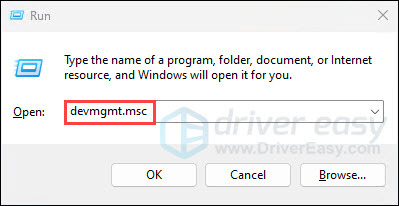
3. Expand Bluetooth and look for Intel(R) Wireless Bluetooth(R). Right-click it and select Properties.

4. Open the Details tab. From the Property drop-down menu, select Hardware IDs. You may see entries similar to: USB\VID_8087&PID_0026 or USB\VID_8087&PID_0026&REV_0000.
The Hardware IDs help Windows and support tools identify the exact Bluetooth hardware. You normally don’t need to enter these IDs manually on Intel’s download page, but they can be useful if you need to confirm which device you’re working with.
5. Go to the Intel Download Center and select Wireless.
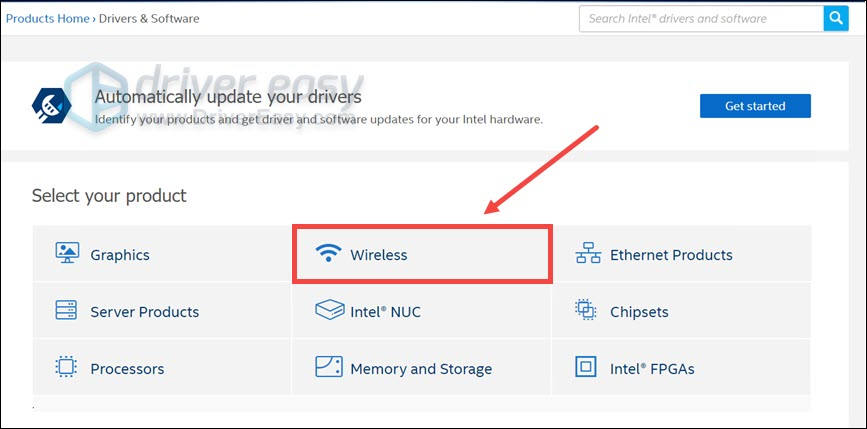
6. Choose the appropriate Intel Wireless Bluetooth driver. You can use the filter to select your Intel wireless adapter and Windows version.

7. Download the driver package. Then, run the downloaded file to install the driver.

Once done, test Bluetooth by connecting one of your Bluetooth devices.
Method 3: Update the Intel Bluetooth Driver Automatically
If you don’t want to identify your adapter, search through different driver packages, or manually compare driver versions, you can use Driver Easy to do the job automatically.
Driver Easy can scan your computer, identify missing or outdated drivers, and match drivers to your system. You don’t have to search through multiple websites to download all the device drivers your system needs, and you don’t have to regularly check for newer driver versions. Driver Easy handles it all in one place.
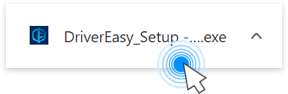
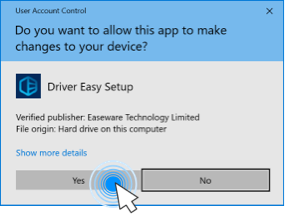
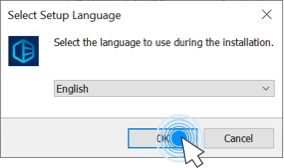
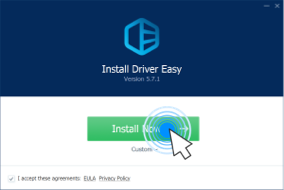
1. Download and install Driver Easy.
2. Run Driver Easy and click Scan Now. Driver Easy will then scan your computer and detect any problem drivers.
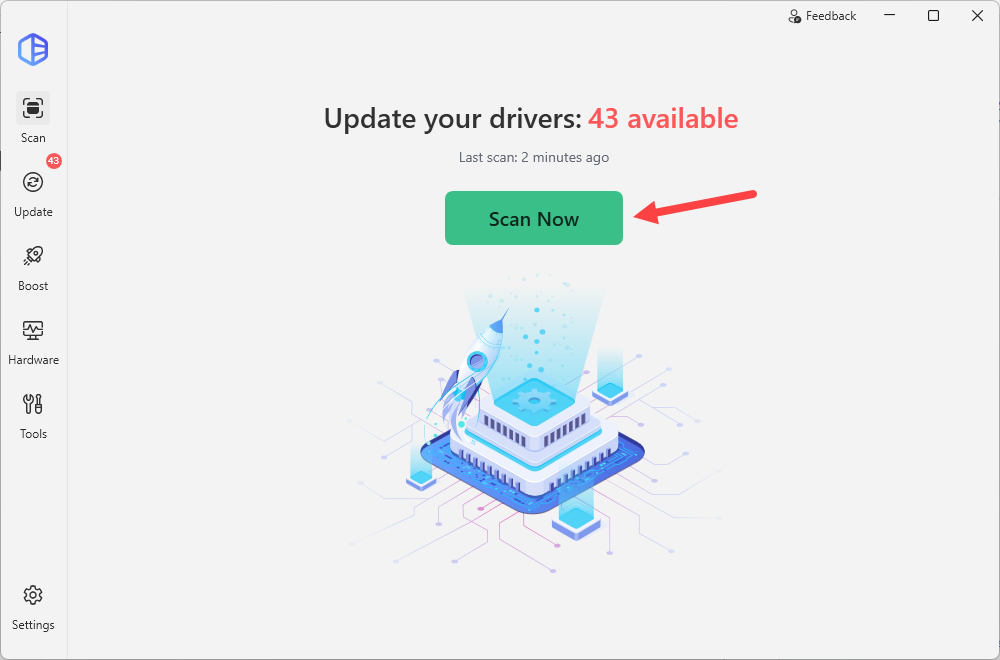
3. Click Activate & Update next to the flagged Intel Wireless Bluetooth driver to download and install the latest compatible driver. Alternatively, click Update All to update all detected outdated or missing drivers on your computer.

To use Driver Easy, you can opt for the Pro version or start a 7-day free trial. Driver Easy Pro provides high-speed driver updates plus advanced technical features to keep your PC running smoothly. If you’re not ready to upgrade now, you can try all the Pro features with our free trial.
4. Restart your computer after the driver installation is complete.
Try connecting a Bluetooth device to confirm that the connection is working normally.
Intel Wireless Bluetooth Driver Still Not Working?
If updating the Intel Bluetooth driver doesn’t solve the problem, the driver may not be the only cause. Here are some simple steps to troubleshoot:
1. Restart your computer
A simple restart can reload the Bluetooth driver and related Windows services.
2. Make sure Bluetooth is enabled
Check your Windows Bluetooth settings and make sure Bluetooth is turned on.
- Windows 11: Settings > Bluetooth & devices
- Windows 10: Settings > Devices > Bluetooth & other devices
- Windows 7/8.1: Bluetooth settings vary depending on the system and installed Bluetooth software.
3. Check Device Manager for an error code
Open Device Manager, double-click Intel Wireless Bluetooth, and check the Device status section under General.
If Windows reports an error code, use that code to identify the appropriate troubleshooting steps.
4. Roll back the driver if the problem started after an update
If Bluetooth stopped working immediately after a driver update:
1. Open Device Manager.
2. Expand Bluetooth. Right-click Intel Wireless Bluetooth and select Properties.
3. Open the Driver tab, and click Roll Back Driver (if available).
4. Restart your PC and test Bluetooth again.
If you prefer a simpler approach to update your Intel Wireless Bluetooth driver, Driver Easy can automatically identify the appropriate Intel Bluetooth driver for your system. To do that manually, identify your Intel wireless adapter and Windows version, then check out the PC manufacturer’s website or Intel for the latest compatible package.