



Looking for a SanDisk SSD driver download for your Windows PC? Here’s something you should know: SanDisk SSDs generally don’t require a dedicated driver to work. Windows automatically installs the necessary storage drivers when you connect an SSD.
However, if your SanDisk SSD isn’t detected, doesn’t appear in File Explorer, or isn’t working properly, an outdated or missing storage controller driver could be part of the problem.
In this guide, we’ll explain how SanDisk SSD drivers work, where to get the relevant drivers, and how to troubleshoot SSD detection problems on Windows PCs.
Does SanDisk SSD need a driver?
No. SanDisk SSDs don’t normally require a separate, model-specific driver. Windows includes built-in drivers for common storage interfaces, including SATA and NVMe, and automatically loads the appropriate driver when the SSD is connected.
If you’re using an external SanDisk SSD, Windows also provides the necessary USB storage drivers. SanDisk doesn’t offer a separate driver download for its external drives.
However, your PC’s storage controller, chipset, or USB controller may need an updated driver if Windows has trouble detecting the SSD.
You can also use the SANDISK Dashboard (where supported) to check SSD health, monitor performance, and update firmware. Note that this is an SSD management utility, not a driver required for the drive to work.
How to download and install SanDisk SSD-related drivers
If your SanDisk SSD isn’t working properly, updating the relevant storage controller or chipset driver may help. Here are two ways to do it.
- Option 1: Download and install the driver manually
- Option 2: Automatically update the storage controller driver (Recommended)
Option 1: Download and install the driver manually
Step 1: Find your PC or motherboard model
To find the correct driver, you first need to identify your PC or motherboard model.
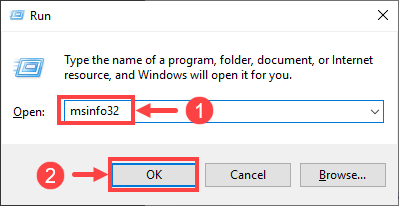
- On your keyboard, press the Windows logo key and R at the same time to invoke the Run dialog box. Then, type in msinfo32 and click OK.
- The System Information window will pop up. On the System Summary tab, in the details pane, look for System Manufacturer and System Model, then take note of their Value – that’s precisely the make and model of your motherboard.
For example, as shown below, the motherboard manufacturer should be Dell and the device model should be Vostro 270.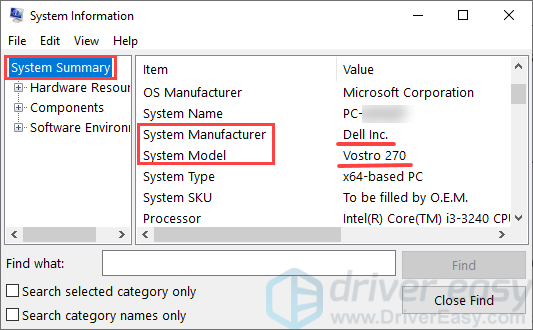
- Close the window when you finish noting down the information.
Step 2: Download the appropriate storage controller or chipset driver
Once you know your PC or motherboard model, visit its manufacturer’s official support website.
Search for your exact PC or motherboard model, then open its driver download page. Look for relevant drivers under categories such as Chipset, SATA, Storage, or Intel Rapid Storage Technology (Intel RST), depending on your hardware and storage configuration.
Make sure you select the correct Windows version and system architecture (32-bit or 64-bit) before downloading.
Step 3: Install the downloaded driver
Once the download is complete, double-click the installer (usually an EXE file). Then follow the on-screen instructions to complete the installation. Restart your computer if prompted.
After restarting, check whether Windows can detect your SanDisk SSD. If the problem persists, continue with the troubleshooting steps below.
Option 2: Automatically update the storage controller driver (Recommended)
If you don’t have the time, patience or computer skills to download and install the driver manually, you can do it automatically with Driver Easy.
Driver Easy will automatically recognize your system and find the correct drivers for it. You don’t need to know exactly what system your computer is running, you don’t need to risk downloading and installing the wrong driver, and you don’t need to worry about making a mistake when installing. Driver Easy takes care of everything.
You can update your drivers automatically with either the 7 days free trial or the Pro version of Driver Easy. It takes just 2 clicks, and you get the full suite of premium features such as driver backup and rollback, plus advanced tech support and a 30-day money-back guarantee.
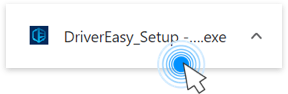
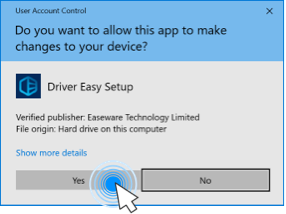
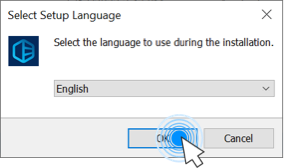
- Download and install Driver Easy.
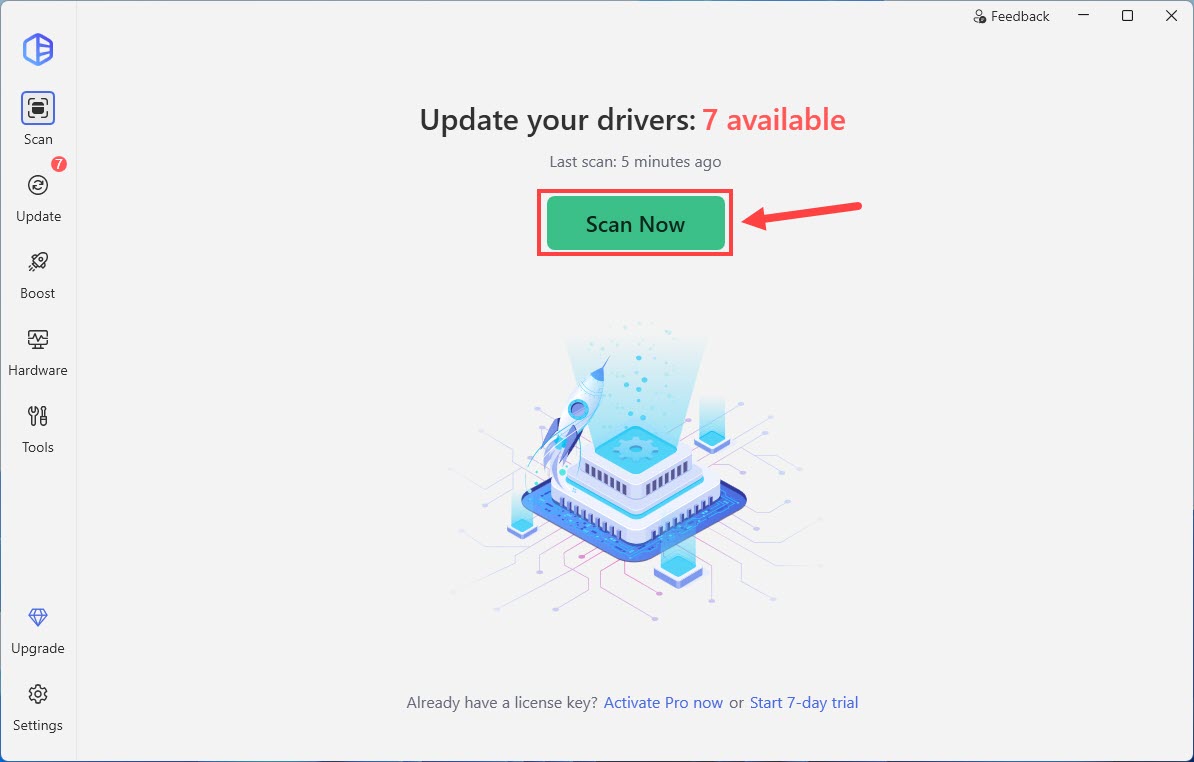
- Run Driver Easy and click the Scan Now button. Driver Easy will then scan your computer and detect any problem drivers.
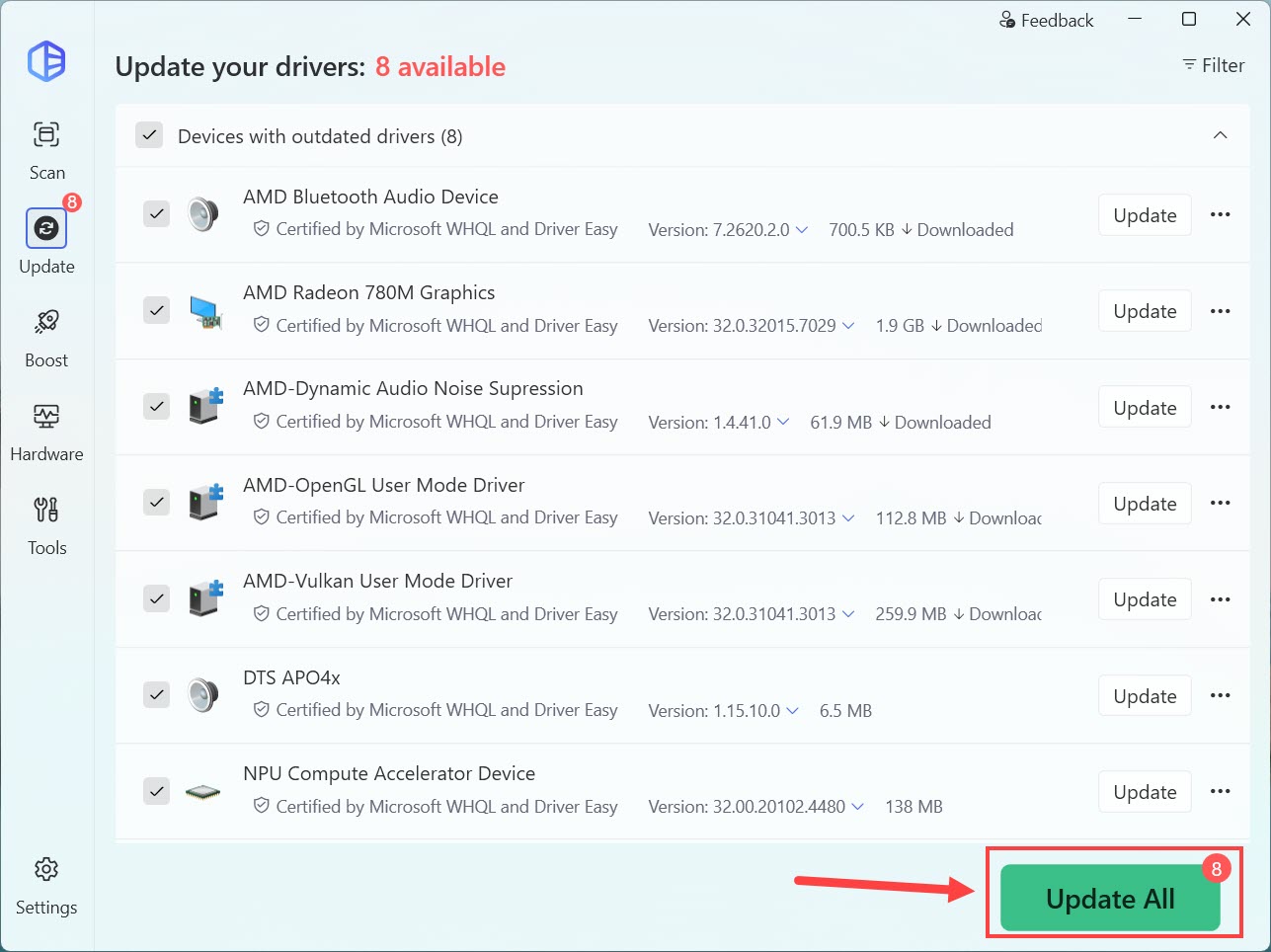
- Click the Activate & Update button next to the flagged device to automatically download and install the correct version of this driver. Or click Update All to automatically download and install the correct version of all the drivers that are missing or out of date on your system (You’ll need the Pro version for this – when you select Update All, you’ll get a prompt to upgrade. If you’re not prepared to purchase the Pro version yet, Driver Easy provides a 7-day trial at no cost, granting access to all Pro features like fast downloads and easy installation. No charges will occur until after your 7-day trial period ends.)
- Restart your computer for the change to take effect.
Driver Easy uses only genuine drivers, straight from your hardware manufacturer. And they’re all tested and certified – either by Microsoft or by itself. Or both.
SanDisk SSD not detected in Windows? Try these fixes
If updating the relevant drivers doesn’t help, the problem may be related to the SSD connection, drive configuration, or hardware. Try the following checks.
1. Check the SSD connection
If you’re using an external SanDisk SSD:
- Disconnect the SSD and reconnect it securely.
- Try a different USB port on your computer.
- Connect the SSD directly to your PC instead of using a USB hub or docking station.
- Try another compatible USB cable, if available.
If you’re using an internal SATA SSD, check that both the SATA data cable and power cable are connected securely. For an NVMe SSD, make sure the drive is properly seated in its M.2 slot.
If you’re not comfortable opening your computer, ask a qualified technician for help.
2. Check whether the SSD appears in Disk Management
Sometimes Windows detects an SSD but doesn’t assign it a drive letter. In that case, the drive may not appear in File Explorer.
Here’s how to check:
- Press Windows + X and select Disk Management.
- Look for your SanDisk SSD in the list of available disks.
- If the SSD is listed with a healthy partition but no drive letter, right-click the partition and select Change Drive Letter and Paths.
- Click Add, choose an available drive letter, and click OK.
Check File Explorer again to see whether the SSD is accessible.
3. Update Windows
Windows updates can include improvements and drivers for storage controllers and other hardware.
To check for available updates:
- On your keyboard, press the Windows key + I to open Settings.
- Select Windows Update and click Check for updates.
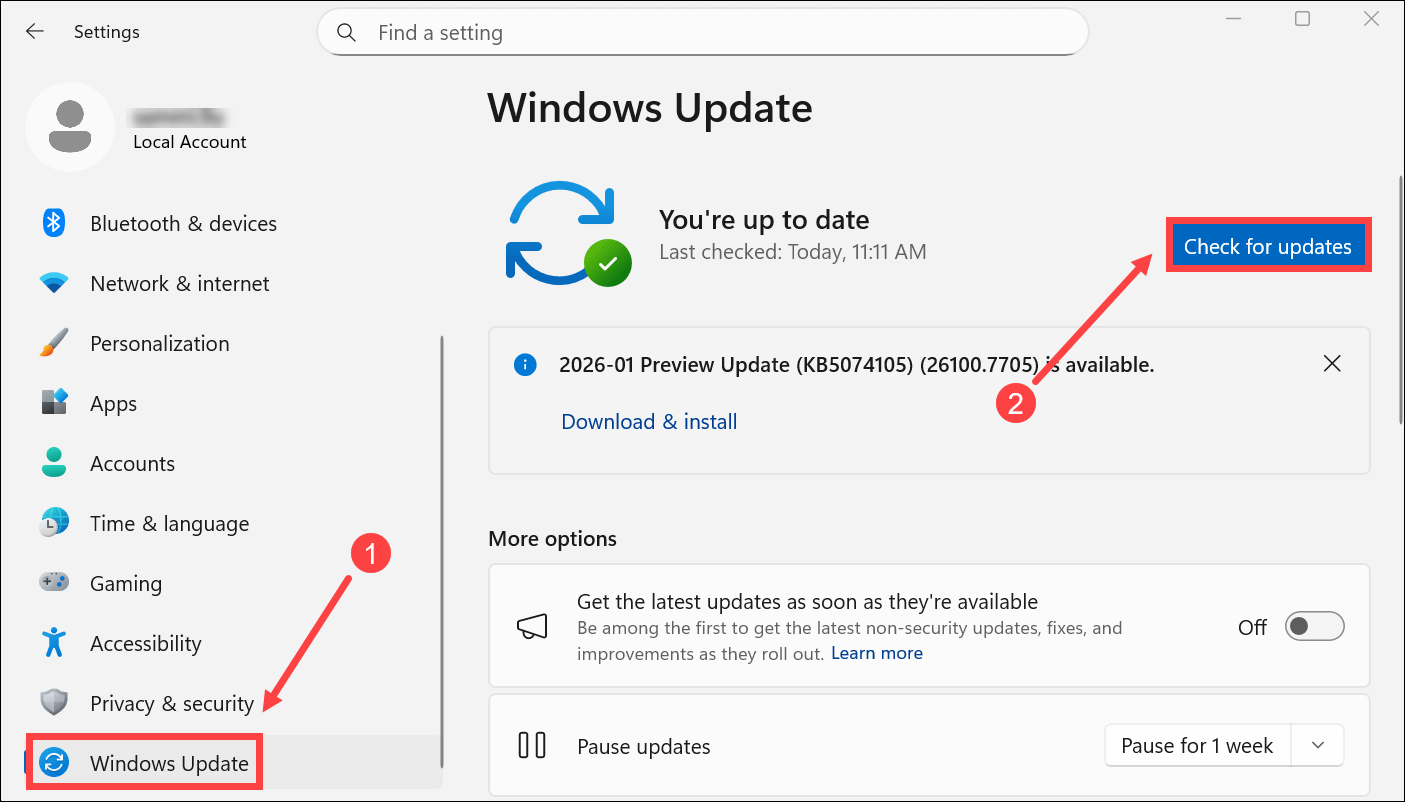
- Install any available updates and restart your computer.
Restart your computer and check whether Windows recognizes the SanDisk SSD.
4. Check whether the SSD is detected in BIOS/UEFI
If your internal SanDisk SSD doesn’t appear in Windows or Disk Management, check whether the computer detects it in BIOS/UEFI.
Restart your computer and press the BIOS/UEFI setup key during startup (commonly F2, Del, or Esc, depending on the manufacturer).
Look for the SSD under the storage, SATA, or NVMe information section.
- If the SSD appears in BIOS/UEFI but not Windows: The issue may involve Windows storage drivers, disk configuration, or the operating system.
- If the SSD doesn’t appear in BIOS/UEFI: Check the physical connection and hardware compatibility. The SSD, cable, slot, or storage controller may have a problem.
Avoid changing storage mode settings (such as AHCI or RAID) without checking your system configuration. Changing these settings can prevent Windows from booting.
If the SSD remains undetected after checking its connection and compatibility, contact SanDisk Support to investigate a possible hardware issue.
SanDisk SSDs generally don’t need dedicated drivers. Windows provides the necessary drivers for normal operation. However, if your SSD isn’t recognized or isn’t working correctly, updating your motherboard’s storage controller or chipset drivers may help.
We hope this guide helps you get your SanDisk SSD working properly. If you have any questions or suggestions, feel free to leave a comment below!